
 EN
EN



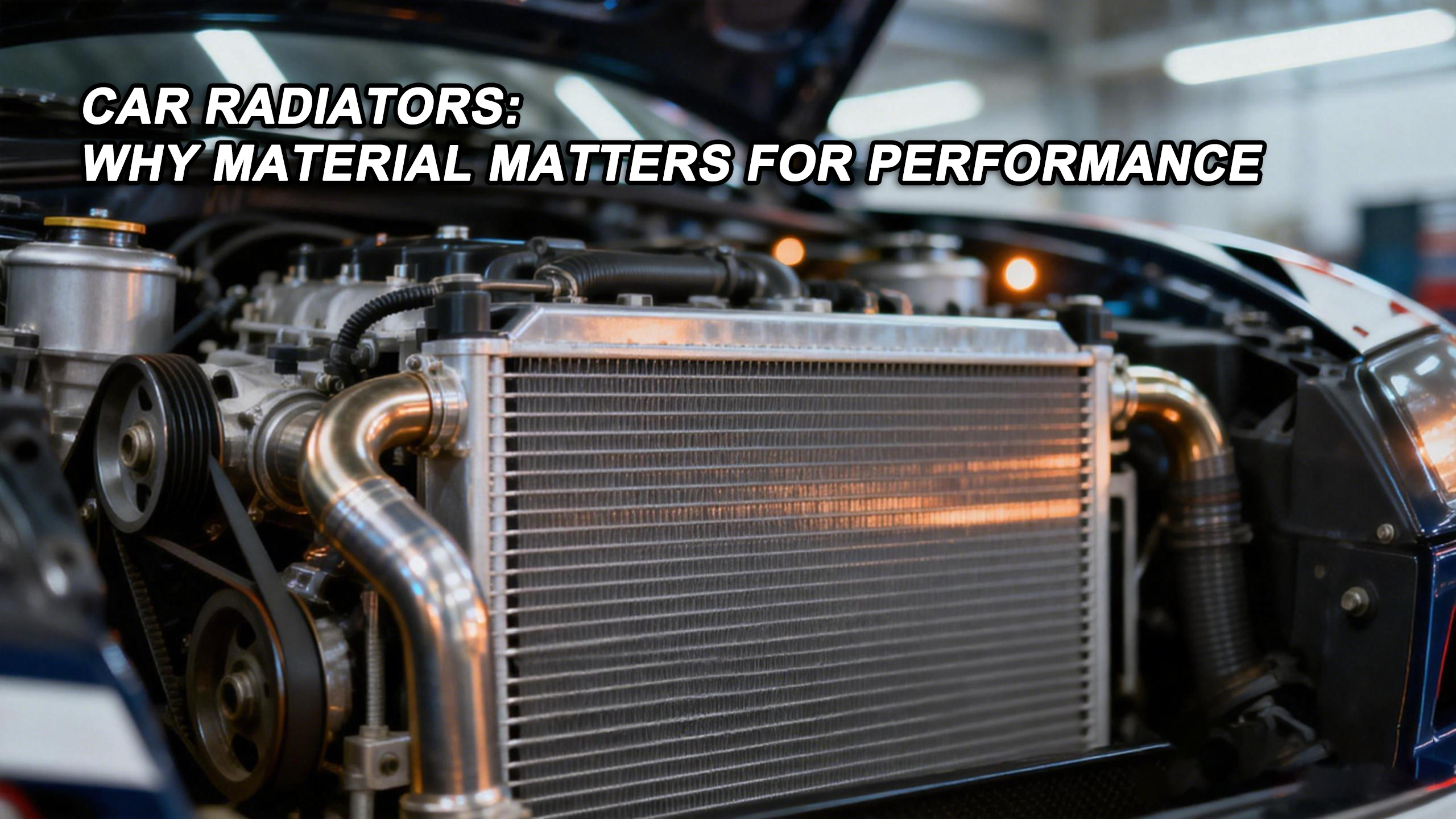
Thermal Performance: Why Aluminum Dominates Modern Car Radiators
Aluminum’s High Thermal Conductivity–Weight Ratio and Its Direct Effect on Cooling Response
The thermal conductivity of aluminum ranges between about 167 and 230 W per meter Kelvin which allows quick transfer of heat from coolant to radiator fins. This is really important when dealing with the thermal demands of today's powerful yet compact turbocharged engines. While copper brass has better conductivity overall around 400 W per meter Kelvin, what makes aluminum stand out is how well it balances conductivity against weight. That gives aluminum systems a better cooling response across the board. Aluminum also has much lower density compared to copper brass 2,700 kg per cubic meter versus nearly 9,000 kg for copper brass meaning aluminum radiators can be 40 to 50 percent lighter. Lighter radiators help reduce overall vehicle weight and boost fuel economy while still getting rid of heat effectively. When manufacturers optimize the fin tube design in aluminum brazed core radiators, they get even better results. Some research indicates these modern designs reject up to 20 percent more heat than older copper brass models working under similar conditions.
| Aluminum Alloy | Thermal Conductivity (W/m·K) | Weight Advantage |
|---|---|---|
| 1050 | 229 | 30% lighter vs. copper |
| 6061 | 167 | Ideal strength-conductivity balance |
| 6101 | 218 | Common in brazed cores |
Copper-Brass Radiators: Unmatched Conductivity vs. Practical Limitations in Weight and Packaging
On paper, copper brass still looks pretty good when it comes to heat transfer properties. But let's face it - the metal is just too heavy and takes up way too much space for today's vehicles. Modern cars have really tight engine compartments these days. The front ends are designed for maximum aerodynamics, and manufacturers keep shrinking turbocharged engines while expecting the same performance. Copper brass radiators just can't fit into these cramped spaces without losing either their cooling capacity or proper airflow through the core. Another big problem? Copper tends to corrode badly when paired with other metals like aluminum engine blocks or steel mounting brackets. This galvanic corrosion eats away at components over time, which defeats the whole purpose of having good thermal conductivity in the first place. That's why we're seeing copper brass mostly disappear from mainstream automotive applications now. It's still used in certain specialized industrial settings where weight doesn't matter as much as absolute durability under controlled conditions.
Durability & Corrosion Resistance Across Car Radiator Materials
Aluminum Radiators: Anodized Protection, Vulnerability to Coolant Chemistry, and Long-Term Reliability
When we talk about anodization, what we're really looking at is the creation of a thick aluminum oxide coating that cuts down on corrosion problems. Studies show this process can reduce corrosion rates by somewhere around 75-80% when compared to regular untreated metal surfaces. But there's a catch here folks. The effectiveness of this protective layer depends heavily on the type of coolant used in the system. Many standard coolants based on ethylene glycol have issues if their pH drops below 7.5 or contain old fashioned silicate additives. These types of coolants actually break down the oxide layer over time, especially noticeable at those stress points where tubes connect to fins. What happens next? Pitting occurs and components start failing earlier than expected. We've seen cases where equipment lifespan gets cut roughly in half under these bad conditions. For reliable performance over the long haul, manufacturers need to switch to coolants designed specifically for aluminum systems. Look for formulas without silicates, either pure Organic Acid Technology (OAT) or the newer hybrid versions called HOAT. These special blends keep the pH balanced and stop those nasty electrolytic reactions from happening.
Copper-Brass Radiators: Oxidation Resistance vs. Galvanic Corrosion Risks in Mixed-Metal Systems
Copper brass develops a natural protective layer called a patina that helps prevent oxidation. According to NACE International standards, this protection keeps corrosion rates under 0.5 mm per year in systems that are isolated and chemically stable. But things get complicated when we look at actual vehicles on the road today. Copper brass radiators often come into contact with aluminum cylinder heads, magnesium parts, and steel components for mounting. This combination creates problems because different metals react differently with each other. The electrochemical differences between these materials actually speed up corrosion at weak points like solder joints and where tubes connect. Over time, this leads to failures about 60% more frequently than expected. When leaks start happening due to this kind of wear and tear, cooling efficiency drops by around 30% after just five years of operation. To fix these issues, manufacturers need to install special dielectric unions that separate the different metals. They might also want to consider adding sacrificial zinc anodes wherever possible. Unfortunately, most original equipment manufacturer cooling systems don't include these protective measures from the factory.
Fuel Efficiency and Engine Performance Implications of Car Radiator Material Choice
Reduced Thermal Mass and Faster Warm-Up: How Aluminum Radiators Support Cold-Start Efficiency
Because aluminum has such low thermal mass, engines warm up much quicker after cold starts, which matters a lot for city driving where engines often run below their best temperature range for long stretches. According to SAE International research from 2023, using aluminum radiators can actually reduce fuel consumption between 5 and 8 percent when traffic is stop and go, since the engine spends less time running inefficiently while cold. Another benefit is that catalytic converters kick in faster too, so there are fewer hydrocarbons and carbon monoxide emissions during those initial cold phases. What makes aluminum work so well is its good balance between how quickly it conducts heat and how light it is. This helps stabilize temperatures inside the combustion chambers pretty fast, keeping ignition timing right on track and maintaining proper air fuel mix without needing heavier radiators that would just drain power unnecessarily.
Overheating Risks from Material Degradation: Linking Radiator Material Failure to Power Loss and Emissions Drift
A failing radiator really messes with how well an engine runs. When those aluminum fins start corroding or copper tubes get clogged, heat doesn't escape properly anymore. Some tests show this can cut down on cooling capacity by over 30 percent, which sends coolant temps skyrocketing past what's safe for long periods. The engine computer notices this and starts adjusting timing to protect itself, but at the cost of losing around 12% in power output as reported in engine research studies from last year. Over time, running hot all the time makes combustion less efficient too, leading to higher levels of harmful exhaust gases like nitrogen oxides and unburned fuel particles. Different metals behave differently when things go wrong. Aluminum tends to give up the ghost first if coolant maintenance gets neglected, while copper brass alloys struggle most in modern engines where multiple metal types are used together throughout the powertrain system. Getting material compatibility right isn't just good practice it's absolutely essential for keeping engines running cool and reliable over their lifespan.
Total Cost of Ownership: Balancing Upfront Cost, Lifespan, and Service Requirements
When evaluating car radiator materials, the initial purchase price is just one component. Aluminum radiators typically cost 20–30% less than copper-brass units upfront due to scalable extrusion and brazing processes. Their lightweight design also lowers shipping, handling, and installation labor costs.
How long something lasts really comes down to where it's used and how well it gets maintained. Take anodized aluminum for instance it stands up pretty well against environmental corrosion, but there's a catch. The coolant has to be compatible with aluminum, otherwise things go south fast with pits forming and service life getting cut short. Copper brass tends to last longer in systems where chemicals stay stable and only one metal is involved. But here's the problem these days with all the mixed metal setups in vehicles, copper brass just isn't safe from galvanic erosion anymore. That kind of wear leads to failures nobody can predict, which makes engineers scratch their heads when components suddenly give out.
The service needs definitely impact total cost of ownership. For copper brass systems, we're talking about pressure tests twice a year plus regular checks on coolant pH levels, which typically adds around $150 to $300 each year for preventive work. Aluminum setups cut down on how often those tests need to happen, but there's a catch they need special OAT or HOAT coolants that cost anywhere from $25 to $50 per gallon, making fluids way more expensive. Hybrid radiators made with aluminum and plastic parts actually strike a pretty good balance though. They don't cost too much initially, require less maintenance overall, and can handle different types of coolant better than some other options out there.
Ultimately, the optimal choice hinges on operational priorities: aluminum excels in consumer vehicles prioritizing weight savings, cold-start efficiency, and cost-effective mass production; copper-brass retains relevance in heavy-duty or specialty applications where chemical environment control and mechanical robustness outweigh packaging and weight constraints.
FAQ
Why is aluminum preferred over copper-brass for car radiators?
Aluminum is preferred mainly for its excellent balance of thermal conductivity and lightweight properties, which enhances vehicle performance and fuel efficiency by reducing overall weight.
How does aluminum's thermal conductivity compare to copper-brass?
While copper-brass has better thermal conductivity outright, aluminum offers a superior balance when factoring in weight, making aluminum radiators more efficient for modern vehicle designs.
What are the drawbacks of using copper-brass radiators?
Copper-brass is heavier, corrodes easily when mixed with other metals, and is unsuitable for tightly packed engine compartments in modern vehicles, making it less practical for standard automotive applications.
Do aluminum radiators require special maintenance?
Yes, aluminum radiators require compatible coolants, like OAT or HOAT, and regular checks to prevent pitting and preserve the anodized protective layer.
Table of Contents
- Thermal Performance: Why Aluminum Dominates Modern Car Radiators
- Durability & Corrosion Resistance Across Car Radiator Materials
- Fuel Efficiency and Engine Performance Implications of Car Radiator Material Choice
- Total Cost of Ownership: Balancing Upfront Cost, Lifespan, and Service Requirements
- FAQ