
 EN
EN



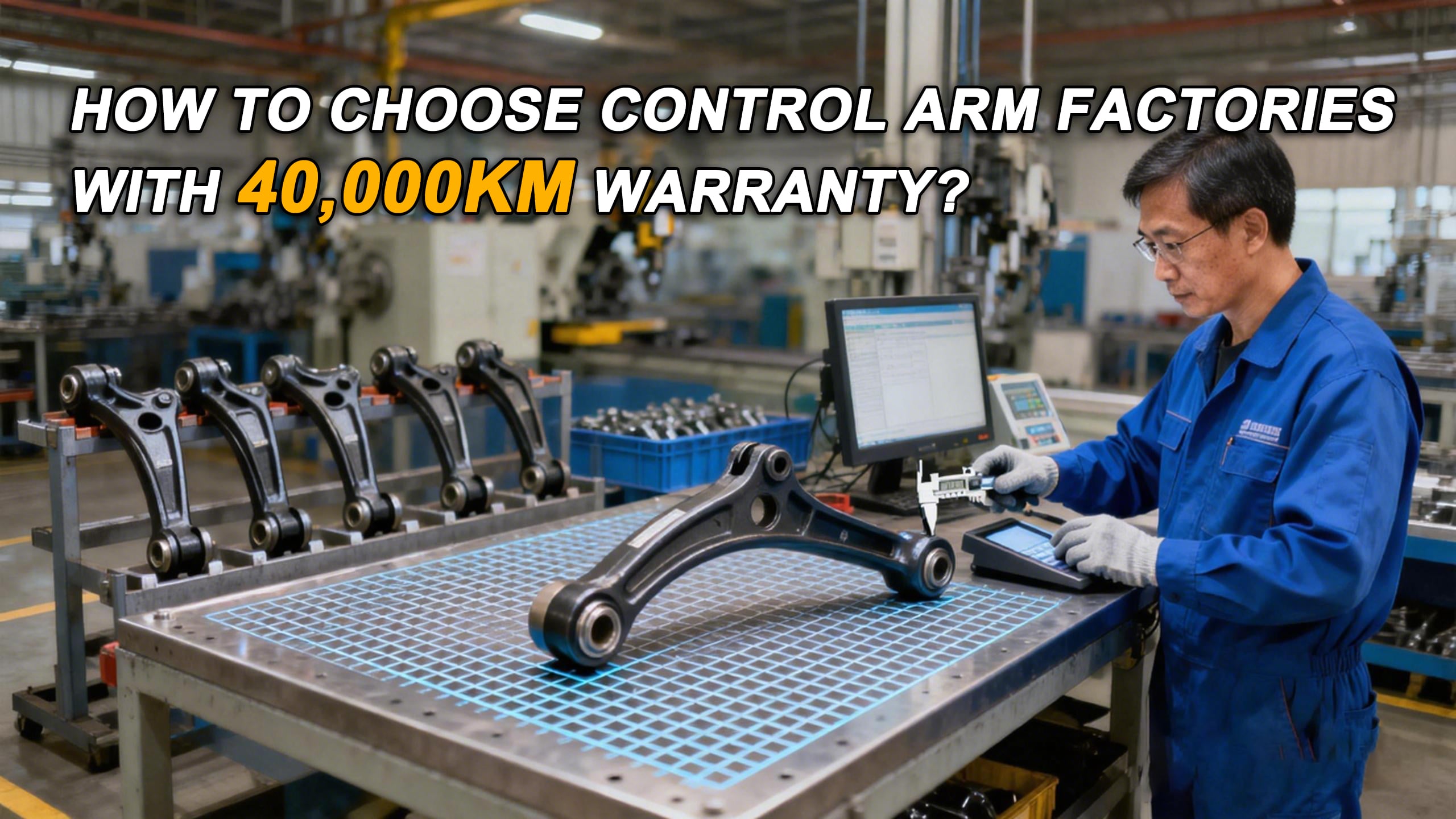
Understanding the 40,000km Warranty: Coverage, Limitations, and Real-World Value
What the 40,000km warranty actually covers—and what it excludes
Most control arm warranties cover around 40,000 kilometers and protect against problems caused by faulty materials or poor workmanship during manufacturing. They don't cover normal wear and tear though. The warranty typically includes things like early failures in key parts such as bushings, ball joints, and the main body of the arm itself, but only if these fail because of hidden manufacturing issues rather than something outside the factory process. What gets excluded tends to be pretty standard among good quality brands: regular wear down over time, rust caused by being out in the weather, damage from potholes or collisions, bad installation jobs, and any changes made to the original design will all cancel out coverage. Companies usually put in their fine print that skipping scheduled maintenance checks or using parts that aren't genuine OEM can also mean saying goodbye to warranty protection.
How warranty terms reflect manufacturing confidence: Linking duration to testing protocols and failure data
That 40,000km number isn't pulled out of thin air or some random marketing tactic. The top manufacturers actually back it up with serious testing. They run what they call accelerated lifecycle tests that simulate over 80,000km worth of wear and tear. Think about all the different stresses parts face in real life situations. Thermal changes happen constantly. Parts get hit from multiple directions at once. Saltwater environments are brutal too. When looking at these controlled tests, failure rates drop below half a percent. This matters most when checking how well bushings stay bonded and how alloys hold up against fatigue. Companies offering extended warranties aren't just giving customers more paper guarantees. These warranties show genuine commitment to quality control processes that go beyond what's standard across the industry.
Evaluating Control Arm Factories by Reputation and Warranty Enforcement Track Record
Comparative analysis: MOOG, Mevotech, and ACDelco control arm warranty claims success rates (2020–2023)
From 2020 through 2023, the numbers tell quite a story when it comes to warranty claims for control arms. Some big name manufacturers got around 90 to 95 percent of their claims approved, whereas other companies struggled with approval rates dropping under 75%. What's interesting is that this difference has more to do with how solid their quality systems are inside the factory rather than just being a well known brand name. Take a look at factories that have their own testing centers right on site – these plants tend to get about 25 percentage points more approvals compared to places that outsource all their validation work. Why? Well, they can track down exactly what went wrong in much greater detail, fix problems quicker when something breaks down, and most importantly, there's better communication between how parts were designed and how they actually perform once installed in vehicles.
| Factor | High Success Rate (90–95%) | Moderate Success (75–85%) | Lower Success (<75%) |
|---|---|---|---|
| Internal Testing Rigor | Daily stress simulations | Monthly sample checks | Batch verification |
| Failure Documentation | Real-time telemetry | Dealer-reported data | Customer-submitted |
| Claim Processing Time | ✓72 hours | 1–2 weeks | >3 weeks |
The enforcement gap: Why '40,000km' on paper doesn’t guarantee hassle-free replacement in practice
Around 40 percent of all warranty claims get rejected these days, not because something actually went wrong with the product, but because people trip over red tape during the process. Companies love adding those vague 'wear and tear' clauses to their fine print, and customers end up fighting battles over missing paperwork like installation certificates or incomplete maintenance records. Sometimes they even need pictures showing exactly how the part failed, which sounds reasonable until you realize most folks don't carry cameras around with them. According to some research done last year, companies that made their warranty rules clearer and provided actual visual guides on what counts as valid damage saw about half as many complaints from customers. If someone is thinking about buying something big, it pays to check out online repair communities and talk to local dealers who've handled similar cases. Real stories from other buyers tell a lot more than whatever nice words appear in the warranty booklet.
Material Quality and Manufacturing Rigor: The True Foundation of Control Arm Durability
Steel vs. forged alloy control arms: Tensile strength, fatigue resistance, and real-world service life correlation
When it comes to how long parts last, what they're made from matters more than just looking at warranty periods. Steel control arms have impressive tensile strength ranging between 400 and 500 MPa, which makes them great for tough jobs. However, these steel parts are quite heavy, and this extra weight adds to what's called unsprung mass, putting more strain on the suspension system over time. Forged aluminum alloys sacrifice some tensile strength, usually around 300 to 400 MPa, but gain about 40% less weight compared to steel. Plus, these aluminum parts tend to resist fatigue better because of their finer grain structure. Tests that simulate driving through 100,000 kilometers worth of potholes show that forged aluminum can handle over a million fatigue cycles before showing cracks. That's almost twice as good as steel, which typically fails after about 500,000 cycles. In actual cars on the road, this means parts made from forged aluminum last somewhere between 30% to 50% longer than their steel counterparts according to research published in the Automotive Materials Journal last year.
| Property | Steel Control Arms | Forged Alloy Control Arms |
|---|---|---|
| Tensile Strength | 400–500 MPa | 300–400 MPa |
| Fatigue Cycles | ~500k cycles before cracks | 1M+ cycles before cracks |
| Weight Impact | Higher unsprung mass | 40% lighter |
| Corrosion Risk | Requires protective coating | Naturally resistant |
Bushing integrity and bonding methods: How material interfaces impact warranty longevity
Around two thirds of early control arm replacements happen because of failed bushings, which makes interface engineering really important for warranty issues. Regular rubber bushings tend to wear out fast when exposed to high temperatures and road salt, usually breaking down well before reaching 20,000 kilometers on the odometer. The polyurethane versions last much longer though, sometimes making it past 60,000 km since they resist oil better, handle ozone exposure, and maintain shape under pressure. How these parts get bonded together matters a lot too. When manufacturers check their vulcanization process quality, they find better protection against moisture damage and improved weight distribution across components. Some companies now apply plasma treatments to surfaces prior to bonding, boosting stickiness between materials by about 70 percent. This helps prevent those annoying layers from peeling apart later on. Factories that adopted this technique saw around four times fewer complaints about separated bushings during the first 40,000 km period according to Suspension Engineering Review from last year.
Verifying Authenticity and Warranty Validity: OEM Alignment vs. Aftermarket Control Arm Factories
Check where parts come from before making any purchases. Authentic OEM control arms usually come with proper paperwork like factory seals, those laser etched part numbers we all know about, plus direct registration with the car maker which makes claiming warranties much easier. The aftermarket scene is pretty mixed bag really. Some companies run top notch Tier-1 factories following similar procedures to original equipment manufacturers while others just grab whatever parts they can find through loose networks without proper verification methods. According to industry reports around one third of denied warranty claims actually result from parts whose origins cannot be confirmed rather than being faulty themselves. When looking for something that will hold up under warranty conditions, go for manufacturers who provide digital verification options. Think about those QR codes you can scan that connect directly to active warranty systems, or those shiny holograms that show if someone has tampered with them. Many brands also offer online portals where customers can look up their part numbers against actual production records. These little security measures prove authenticity and keep that 40,000 km warranty promise valid in practice rather than just on paper.
FAQ
What does the 40,000 km warranty typically cover?
The 40,000 km warranty typically covers issues stemming from faulty materials or poor manufacturing workmanship. However, it does not cover normal wear and tear, rust, damage from accidents, or modifications to the original design.
How do manufacturers justify a 40,000 km warranty?
Manufacturers justify the 40,000 km warranty through rigorous testing protocols, including accelerated lifecycle tests simulating over 80,000 km of wear and tear. These tests ensure a failure rate below half a percent.
Why are some warranty claims denied?
Many warranty claims are denied due to vague 'wear and tear' clauses, missing paperwork, or unverified parts origins. Clarity in terms and documentation can greatly help in successfully claiming warranties.
What's the difference between steel and forged alloy control arms?
Steel control arms offer higher tensile strength but add more unsprung mass, causing more suspension strain. Forged alloy arms are lighter and have better fatigue resistance, resulting in a longer lifespan in real-world conditions.
How can you verify the authenticity of control arm parts?
Authenticity can be verified through digital verification options like QR codes and holograms, which ensure parts are directly connected to active warranty systems and can validate genuine OEM origins.
Table of Contents
- Understanding the 40,000km Warranty: Coverage, Limitations, and Real-World Value
- Evaluating Control Arm Factories by Reputation and Warranty Enforcement Track Record
- Material Quality and Manufacturing Rigor: The True Foundation of Control Arm Durability
- Verifying Authenticity and Warranty Validity: OEM Alignment vs. Aftermarket Control Arm Factories
- FAQ