
 EN
EN



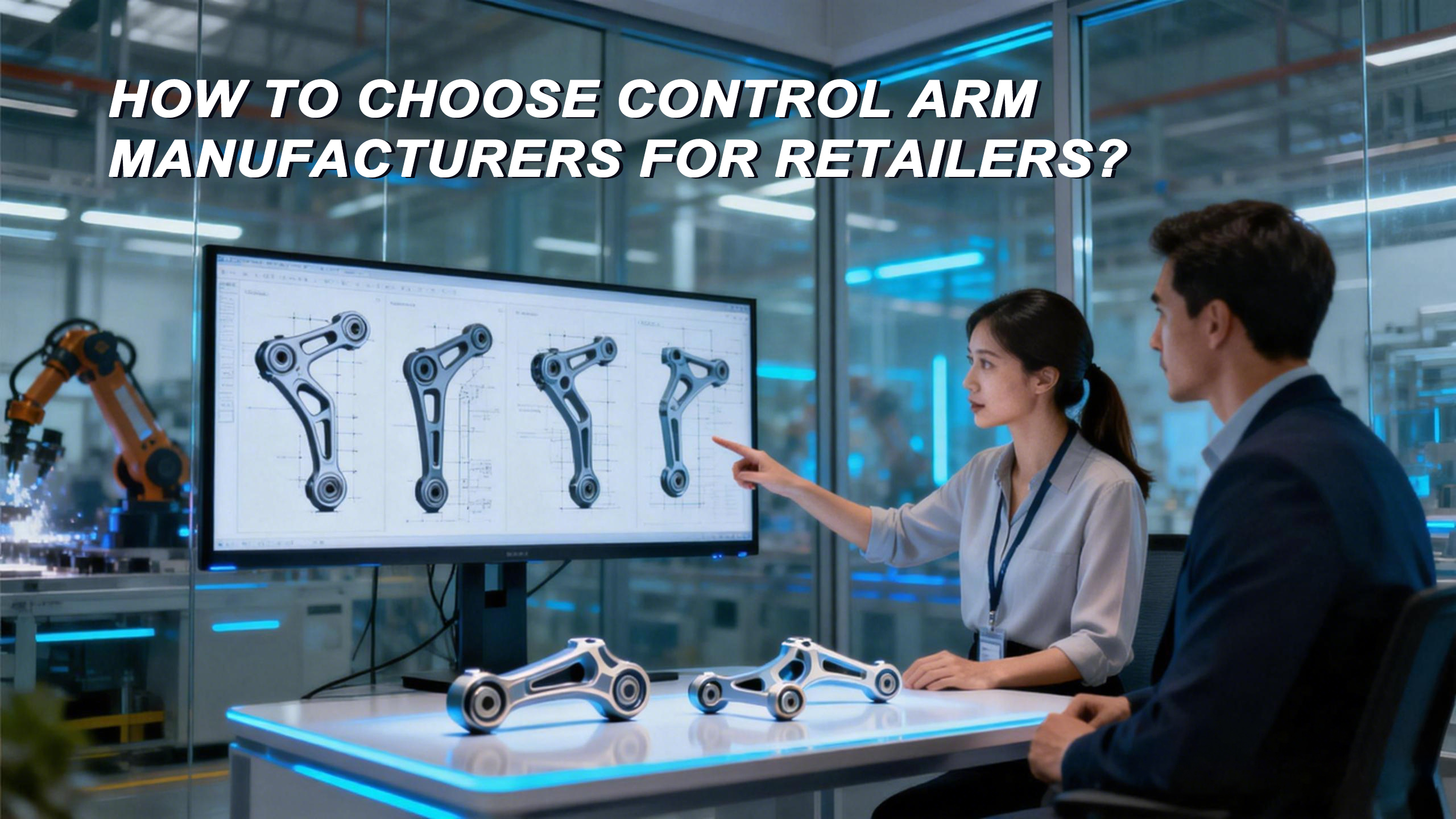
Engineering Capabilities and Technical Validation of Control Arm Designs
CNC Precision Machining, FEA Structural Validation, and TIG Welding Standards
The foundation of great control arms lies in how precisely they're made. CNC machining gets really tight tolerances around 0.001 inch, which lets engineers create intricate shapes, cut down on weight, and keep parts matching exactly from one batch to the next. Before anything hits the road, FEA software checks if it can handle what happens when cars take corners at high speeds or hit those nasty potholes packing over 2000 pounds of force. When it comes time to weld, TIG welding is the go-to method for joining chromoly steel pieces together completely through the joint depth of about quarter inch, so there are no weak spots where bushings might start wearing out early or alignment problems creep in. All these steps combined mean longer lasting suspension components that still perform as intended over thousands of miles driven.
Specialization in Suspension Components vs. General Automotive Parts
Companies that specialize solely in suspension systems tend to beat out those making general automotive parts when it comes to both design quality and how long things last. These specialized shops typically spend around 40 percent extra on research and development for things like dynamic load testing equipment and complex fatigue analysis setups. What does this actually mean? Their control arms end up lasting about 30% longer before failing compared to standard offerings. The engineers working at these places really know their stuff when it comes to specific aspects like anti-dive geometry adjustments, caster compensation techniques, and getting the compliance settings just right something most general part makers don't bother with since they often just take existing stamping dies and modify them for control arms. All this attention to detail makes a big difference in how well components fit specific vehicles kinematically speaking. And real world results back this up the Aftermarket Auto Parts Alliance reports show warranty claims drop by roughly 22% when using parts from these specialists.
Material Selection, Construction Quality, and Vehicle-Specific Control Arm Matching
Stamped Steel, Cast Iron, and Aluminum: Load Capacity, Corrosion Resistance, and Application Fit
When it comes down to picking materials, engineers know this isn't just about cutting costs. Stamped steel has decent strength numbers around 350 to 550 MPa and works well for regular cars that need to handle everyday driving conditions and last several years. Cast iron is great for tougher jobs where things get really compressed and hit hard, but folks working with it have to deal with rust problems unless they apply proper coatings. Aluminum cuts weight by roughly 40% compared to steel, which helps improve fuel efficiency without sacrificing structural integrity if manufacturers forge it right and choose good temper grades. However different aluminum types behave differently when fatigued after repeated stress cycles. What happens with corrosion also differs between metals. Aluminum naturally creates its own protective oxide film over time, while stamped steel needs special treatments like electrocoating or zinc plating to prevent rust. Where a vehicle operates makes all the difference too. Cars used near saltwater usually go for aluminum or heavily coated steel, whereas trucks bouncing around rough terrain stick with cast iron because it handles rocks and dirt much better. And let's not forget how suspension geometry matters too. Luxury European sedans often come with forged aluminum control arms specifically designed to keep wheels properly aligned even when taking corners at highway speeds for extended periods.
OE-Compliant Corrosion Testing (Salt Spray, Coating Adhesion) and Environmental Durability
The longevity of these products isn't just guessed at but actually proven through strict testing that aligns with original equipment manufacturer standards. When it comes to salt spray tests following ASTM B117 guidelines, components are exposed to around 1,000 hours of 5% sodium chloride mist. This mimics what would happen over many years in real world conditions. High quality coatings typically show less than 5% damage on their surfaces after all that time in the chamber. For checking how well coatings stick to surfaces, we run cross hatch tests and impact tests according to ISO 2409 and ISO 6272 standards. These advanced epoxy polyurethane combinations can handle impacts of up to 9 joules without peeling off. Beyond salt resistance, materials must also stand up to extreme temperatures ranging from minus 40 degrees Celsius to 120 degrees Celsius. This ensures they work reliably everywhere from Arctic climates to desert heat. We also test against road debris using gravelometers that simulate stones hitting the surface at highway speeds. After being bombarded with 15 liters worth of stones at 80 kilometers per hour, the coating remains intact. Arms that pass 1,500 hours of salt exposure testing last about three times longer than those meeting only the basic 500 hour requirement set by industry standards. Snow belt areas see particularly significant benefits from this extended performance according to recent 2023 research from NACE on corrosion lifecycles.
Quality Assurance Protocols and Reliability Differentiation Between OEM and Aftermarket Control Arms
Original equipment manufacturer control arms stick to strict factory standards when it comes to testing and validation. Think things like destructive load tests, material analysis through spectrometry, and meeting those tough corrosion resistance requirements, including that 500 hour salt spray test that many people don't even know about. According to research from the Ponemon Institute back in 2023, these OEM parts actually go through twice as many quality checks compared to what we see in most aftermarket products. And get this – the dimensions on these parts are machined using CNC technology with tolerances as tight as plus or minus 0.15 millimeters. Now when looking at aftermarket options, there's really quite a difference between what's available. Some high end brands do their homework and follow similar OEM testing procedures, running those multi stage fatigue tests and keeping track of metal composition details. But then there are others at the lower price points who might skip over important structural tests altogether, which can lead to problems down the road.
| Quality Indicator | OEM Control Arms | Aftermarket Control Arms |
|---|---|---|
| Validation Testing | 12-stage factory certification | 3–8 stage processes |
| Corrosion Resistance | OE-compliant coating thickness | Variable protective layers |
| Material Traceability | Full alloy batch documentation | Limited source verification |
Field performance reflects this divergence: OEM-spec control arms show 92% lower rates of premature bushing failure in fleet durability studies. Retailers should prioritize suppliers offering third-party test reports—not just marketing claims—for yield strength, impact resistance, and fatigue life, especially for components subjected to dynamic, multi-directional loads.
B2B Partnership Advantages: Scalability, Branding, and Supply Chain Support for Control Arm Retailers
Private Label Options, Pre-Bundled Kits, and Spare Parts SLAs
When manufacturers team up with retailers strategically, it's not just about getting products on shelves. These partnerships actually give stores access to proper branding systems they can scale as needed. Private label programs let shops create their own line of control arms without having to worry about all the engineering work themselves. They get to offer unique products while still benefiting from established manufacturing processes and quality checks that have already been tested thoroughly. Suspension kits designed specifically for certain vehicles come pre-packaged with everything technicians need, which makes their job much easier. Mechanics report saving between 15% and 30% on installation time when using these matched component sets according to recent industry studies. Most important spare parts come with strict delivery promises too – if something breaks down unexpectedly, replacement parts arrive within two days at most shops. Some top suppliers even back their metal components with lifetime warranties against material failures, which builds customer confidence over years instead of just months.
On-Time In-Full (OTIF) Performance, Regional Warehousing, and Forecast-Driven Inventory
The best suppliers hit over 98% On-Time In Full delivery rates thanks to their network of warehouses spread across regions, usually no more than 300 miles from big distribution centers. This setup lets them restock items within 24 hours without charging extra for fast shipping. For inventory management, companies use VIN decoding tools along with machine learning systems that analyze local repair data. These help predict when certain vehicle models will need parts based on historical breakdown patterns. When manufacturers align production schedules with these seasonal issues like increased winter road damage from potholes, they can keep just enough stock on hand while saving retailers around 22% per year on storage expenses. And implementing just in time fulfillment helps reduce waste from old parts sitting unused, making sure what's available actually matches what mechanics need out there in garages every day.
Frequently Asked Questions (FAQ)
What is CNC precision machining, and why is it important for control arms?
CNC precision machining allows engineers to achieve extremely tight tolerances of around 0.001 inch, ensuring that control arms are crafted precisely, reducing weight, and ensuring consistent quality across batches.
How do specialized companies differ from general automotive part makers?
Specialized companies focus solely on suspension systems, investing around 40% extra in research and development, leading to control arms that last about 30% longer and exhibit superior design quality compared to general part makers.
What materials are commonly used for control arms, and what are their advantages?
Common materials include stamped steel, cast iron, and aluminum. Stamped steel is strong and durable, cast iron excels in tough conditions, while aluminum cuts weight and enhances fuel efficiency.
How do OEM and aftermarket control arms differ?
OEM control arms undergo more rigorous testing and quality checks, while aftermarket options vary widely, with some brands following similar procedures but others possibly skipping critical tests.
Table of Contents
- Engineering Capabilities and Technical Validation of Control Arm Designs
- Material Selection, Construction Quality, and Vehicle-Specific Control Arm Matching
- Quality Assurance Protocols and Reliability Differentiation Between OEM and Aftermarket Control Arms
- B2B Partnership Advantages: Scalability, Branding, and Supply Chain Support for Control Arm Retailers
- Frequently Asked Questions (FAQ)