
 EN
EN



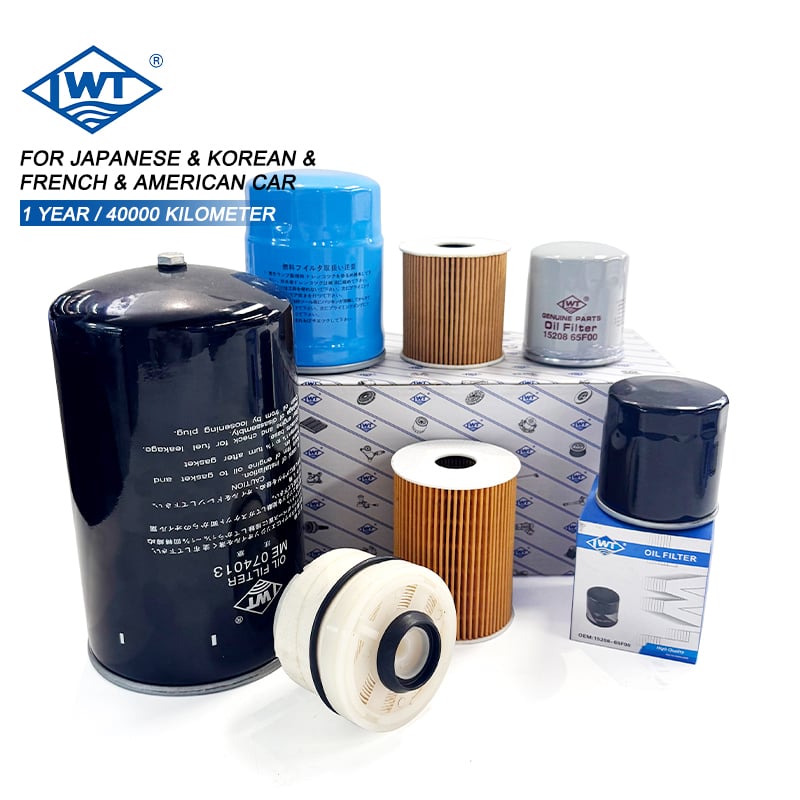
Verify Certification Authenticity and Regulatory Compliance for Oil Filter Factories
Confirming Valid ISO 9001, ISO/TS 16949, and API Q1 Certifications
Start with asking suppliers for their latest ISO 9001 certificate which covers basic quality management practices, plus check if they have ISO/TS 16949 for those working in automotive manufacturing, and don't forget to look at API Q1 credentials for companies dealing with petroleum equipment. Always double check these documents using the official websites of the certification bodies since fake certifications are actually pretty common these days, Quality Digest reported over 18% counterfeit cases just last year. The ISO 9001 standard basically shows they have decent process control systems in place. For automotive parts makers, ISO/TS 16949 goes much further requiring strict measures to prevent defects throughout the supply chain. And when it comes to oil filter manufacturers, API Q1 is essential because it ensures proper pressure testing methods and complete tracking of all materials used. Keep an eye on those expiration dates too. We've seen plenty of problems where certifications lapsed without anyone noticing, and studies show that missing valid certifications leads to about 34% more issues with filtration systems down the road.
Validating OEM Approvals (e.g., Ford WSS-M99B57-A2, GM 6277M) and SAE J185 Testing Compliance
When looking at OEM approvals, we need actual documentation to back them up. This includes Ford's WSS-M99B57-A2 standard which deals with how bypass valves respond, and GM's 6277M that specifies resistance against media collapse. Also important is checking if products meet SAE J185 requirements for burst pressure (at least 400 psi) and performance under high temperatures. These aren't just suggestions they're absolutely essential for protecting engines and maintaining warranty coverage. Always check these approval codes on official manufacturer websites. If something doesn't match up or can't be verified, chances are good it comes from a fake operation. Statistics from SAE International show that around one out of every four lubrication problems leading to engine failure actually stems from filters that don't comply with these standards.
Assess Oil Filter Manufacturing Quality Control and Consistency
Evaluating In-Line Filtration Efficiency Testing (Beta Ratio ≥ 75 at 10µm) and Batch Traceability
Real time filtration efficiency testing according to ISO 4548-12 standards has become standard practice for manufacturers these days. When filters achieve a beta ratio of 75 or higher at 10 microns, they're capturing around 98.7% of particles, which makes all the difference when trying to prevent costly engine wear from abrasives. What most companies miss is that this kind of measurement needs constant in line monitoring instead of relying on occasional lab samples taken out of context. Digital batch traceability systems are just as important though, tracking everything from raw material lot numbers to exact production times and storing all those test results somewhere accessible. These detailed records really pay off when something goes wrong in the field, allowing engineers to pinpoint exactly what happened and limit recall efforts accordingly. The best manufacturing plants keep their test result variances below 2% between batches thanks to automated optical counters and quality data secured through blockchain technology, giving them an edge in maintaining consistent product standards.
Identifying Red Flags: Gaps Between Certification Claims and Real-World Oil Filter Performance
Certifications indicate capability—not consistent output. Conduct unannounced audits that compare factory test reports against independent third-party validation. Key red flags include:
- Efficiency variance >15% between claimed and measured beta ratios
- Missing or incomplete SAE J185 burst pressure documentation
- Inability to reproduce certification results using randomly selected production samples
A 2023 industry analysis found that 37% of ISO-certified factories exhibited ≥20% deviation in dirt-holding capacity under controlled testing. Also verify collapse pressure ratings (minimum 350 kPa) via destructive testing of shelf-aged samples—material degradation accounts for 42% of premature filter failures (Lubrication Engineering Journal).
Evaluate Production Capacity, Delivery Reliability, and Scalability for Oil Filter Wholesale
Analyzing On-Time-in-Full (OTIF) Rates and Lead Time Stability Across Order Volumes
Manufacturers who consistently hit On-Time-in-Full (OTIF) rates over 95% should definitely be given priority status, no matter if they're handling small batches around 500 units or large orders going past 50 thousand pieces. Good partners keep their delivery times pretty stable, usually staying within plus or minus 5% of promised dates, which helps avoid those frustrating inventory shortages that can bring production lines to a halt. When looking at performance history, it's worth checking out at least twelve straight months of shipping records to spot any patterns worth noting. Facilities that stockpile raw materials and have staff ready to work extra shifts tend to handle sudden increases in demand better, often absorbing about thirty percent more business than usual while keeping OTIF delays under forty eight hours. Testing how well suppliers handle scaling up is essential too. The best ones can manage volume jumps of roughly forty percent without letting their OTIF ratings drop or sacrificing quality standards for things like filtration efficiency. Before signing any contracts, always double check these figures against independent logistics assessments from outside sources to ensure accuracy.
Compare Technical Specifications and Material Integrity of Oil Filter Products
Benchmarking Filter Media: Synthetic vs. Cellulose, Dirt Holding Capacity, and Collapse Pressure Ratings
The type of filter media really affects how well a system performs over time. Synthetic options tend to work better overall. They catch about 99% of particles at 10 microns, hold roughly twice as much dirt compared to cellulose filters (around 20-30 grams versus 10-15 grams for cellulose), and maintain their structure even when subjected to pressures above 300 kPa according to SAE J185 standards. These properties mean less frequent maintenance and fewer instances where the filter might fail during startup or under pressure spikes. While cellulose filters do offer lower upfront costs, they often have inconsistent pores which can lead to uneven flow rates and poor particle capture. For critical systems where reliability matters most, it's worth looking for suppliers who actually test each batch against these specs rather than relying solely on standard specification documents.
| Parameter | Synthetic Media | Cellulose Media |
|---|---|---|
| Filtration Efficiency | 99% at 10µm | 92–95% at 10µm |
| Dirt Holding Capacity | 20–30g | 10–15g |
| Collapse Pressure | >300 kPa | 200–250 kPa |
FAQ
What are ISO 9001, ISO/TS 16949, and API Q1 certifications?
ISO 9001 is a standard for quality management systems, ISO/TS 16949 is specific to automotive production requirements, and API Q1 is for petroleum equipment ensuring proper pressure testing and material tracking.
Why is SAE J185 testing important for oil filters?
SAE J185 testing ensures filters can withstand high pressures and temperatures, critical for engine protection and warranty maintenance.
What is the significance of synthetic vs. cellulose filter media?
Synthetic media provides higher filtration efficiency and dirt holding capacity, essential for reliable engine performance and longevity.
Table of Contents
- Verify Certification Authenticity and Regulatory Compliance for Oil Filter Factories
- Assess Oil Filter Manufacturing Quality Control and Consistency
- Evaluate Production Capacity, Delivery Reliability, and Scalability for Oil Filter Wholesale
- Compare Technical Specifications and Material Integrity of Oil Filter Products