
 EN
EN



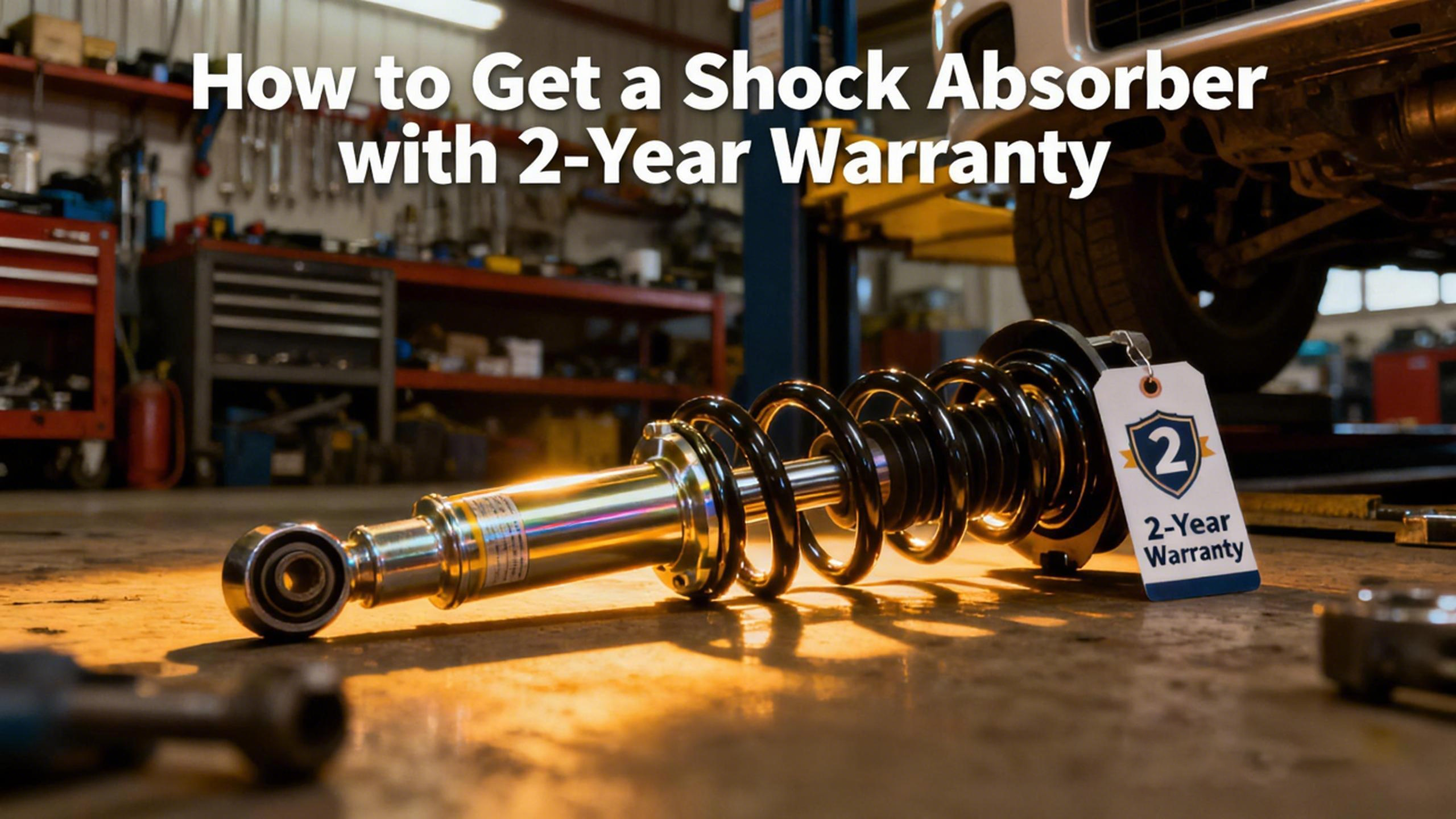
Why a 2-Year Warranty Matters for Shock Absorber Procurement
A solid two year warranty means something real beyond just signatures on paper it acts as protection for those handling purchases. These shock absorbers go through a lot of wear and tear over time. Studies show most problems tend to pop up between 18 months and around two years after installation. When companies get coverage during this window, it changes how procurement works entirely. What was once seen as just another expense becomes something that actually adds value to operations instead.
- Risk Mitigation: Premature failure can cascade into costly vehicle downtime, warranty claims averaging $740k (Ponemon Institute, 2023), and reputational damage. A 2-year term ensures suppliers share accountability for component longevity.
- Total Cost of Ownership (TCO): Longer coverage reduces replacement frequency and administrative overhead. For fleets exceeding 50 units, this can lower annual maintenance costs by 18–22% compared to 1-year warranties.
- Supplier Confidence: Manufacturers offering extended warranties typically enforce stricter quality control—like pressure testing seals or validating material fatigue limits—knowing defects will directly impact their bottom line.
Procurement leaders prioritizing verified 2-year terms gain leverage in negotiations while securing operational resilience. It signals a partner’s commitment to engineering rigor, directly translating to fewer supply chain disruptions and sustained customer trust.
Key Quality Indicators That Support a Genuine 2-Year Shock Absorber Warranty
Material Build, Gas-Charged Design, and Sealing Integrity
The quality of materials used plays a big role in how long shock absorbers last when they're covered by warranty. Parts made from hardened steel alloys stand up better to repeated stress without bending or breaking. And those special coatings on the outside help fight off rust caused by salt on roads and damp conditions. The gas charged design works differently too. Pressurized nitrogen inside helps keep the oil from getting frothy when the shocks compress quickly, so the ride stays smooth even after many thousands of miles as shown in various durability tests. For keeping things sealed properly, manufacturers often use triple lip seals along with carefully machined shafts that stop fluids from leaking out and dirt from getting in. All these different parts working together cut down on failures by around 60 to 70 percent over regular shocks, which is why most companies offer at least two years of coverage on their products.
OEM-Spec Compliance and ISO/TS 16949 Certification
Sticking to original equipment manufacturer (OEM) specs helps ensure parts fit correctly and can handle their intended loads, which prevents those frustrating compatibility problems that end up voiding warranties. When suppliers get the measurements right within tight tolerances around 0.15mm and match the damping characteristics properly, everything fits together smoothly without putting extra stress on the drivetrain components. The ISO/TS 16949 certification is basically the gold standard for quality control in auto manufacturing these days. Facilities with this certification have been shown to produce parts with about 40 percent fewer defects according to independent audits, and this translates into far fewer failures once vehicles hit the road. Before making any purchase decisions, it's smart practice to check the IATF database and confirm that certifications are still valid because outdated documentation can lead to serious headaches down the line regarding warranty claims.
Where to Source Reliable Shock Absorbers with Verified 2-Year Warranty Terms
Getting shock absorbers that come with solid 2 year warranties means working only with official distributors who have direct contracts from the manufacturers themselves. These legitimate suppliers go through strict checks to make sure what they sell is genuine and actually covered under warranty, something that just doesn't happen with those gray market guys who get their stuff from random places. Looking at industry data, buying from unauthorized sellers leads to about 65% more rejected warranty claims because people end up with fake products or missing paperwork. Sticking to authorized distribution paths cuts down on all these headaches and makes it much easier when it comes time to file a claim later on.
Authorized Distributors vs. Gray-Market Sellers: Red Flags and Verification Steps
Authorized distributors provide manufacturer-issued certification documents and traceable serial numbers for every shock absorber batch, whereas gray-market sellers often lack verifiable credentials. Critical red flags include:
- Prices 30%+ below market average
- Incomplete or generic packaging
- Refusal to share manufacturer authorization certificates
- Missing or damaged tamper-proof seals
To verify legitimacy:
- Cross-check distributor status on the manufacturer’s official portal
- Validate serial numbers via the manufacturer’s database
- Require ISO/TS 16949 compliance certificates
- Inspect holographic anti-counterfeit labels on products
Procurement teams should audit these parameters before bulk orders to prevent warranty invalidation. Retain transaction records and warranty certificates digitally to streamline future claims.
Activating and Maintaining Your Shock Absorber’s 2-Year Warranty
Securing the full benefits of your shock absorber's warranty requires strict adherence to activation protocols and maintenance standards. Neglecting these steps often voids coverage, leaving businesses liable for premature failure costs averaging $740k per equipment downtime incident (Ponemon Institute, 2023).
Installation Requirements, Registration Deadlines, and Documentation Essentials
Proper installation forms the foundation of warranty validation. Always use certified technicians who follow torque specifications and mounting guidelines to prevent seal damage or misalignment. Registration must typically occur within 30 days post-purchase through manufacturer portals—delayed submissions risk nullification. Maintain three critical documents:
- Original purchase invoices showing transaction dates
- Installation certification from authorized service centers
- Biannual maintenance logs proving preventive inspections
Failure rates drop 62% when professionals handle installations compared to DIY approaches (Industry Maintenance Journal, 2024). Should a claim arise, immediately submit timestamped evidence of the defect alongside your documentation portfolio. Proactive maintenance not only preserves warranty coverage but extends shock absorber lifespan beyond the 2-year guarantee period.
FAQ
What are the key benefits of having a 2-year warranty on shock absorbers?
A 2-year warranty offers risk mitigation, lower total cost of ownership, and increased supplier confidence. It ensures shared accountability for component longevity, reduces replacement frequency, and confirms manufacturers' commitment to quality control.
How can material quality impact shock absorber warranties?
High-quality materials like hardened steel alloys and special coatings improve durability and resistance to stress and corrosion. Gas-charged designs and sealing integrity further ensure smoother rides and less failure, supporting extended warranties.
Why is ISO/TS 16949 certification important for shock absorber procurement?
ISO/TS 16949 certification is a standard for quality control in auto manufacturing. It ensures that facilities produce parts with fewer defects, reducing the likelihood of warranty claims and failures once vehicles are operational.
How can I verify if a shock absorber supplier is authorized?
Verify legitimacy by cross-checking distributor status on the manufacturer’s portal, validating serial numbers, requiring compliance certificates, and inspecting anti-counterfeit labels.
What happens if I delay the registration of my shock absorbers?
Delayed registration can risk nullifying your warranty coverage. Ensure timely registration within 30 days post-purchase to secure the warranty benefits.
Table of Contents
- Why a 2-Year Warranty Matters for Shock Absorber Procurement
- Key Quality Indicators That Support a Genuine 2-Year Shock Absorber Warranty
- Where to Source Reliable Shock Absorbers with Verified 2-Year Warranty Terms
- Activating and Maintaining Your Shock Absorber’s 2-Year Warranty
-
FAQ
- What are the key benefits of having a 2-year warranty on shock absorbers?
- How can material quality impact shock absorber warranties?
- Why is ISO/TS 16949 certification important for shock absorber procurement?
- How can I verify if a shock absorber supplier is authorized?
- What happens if I delay the registration of my shock absorbers?