
 EN
EN



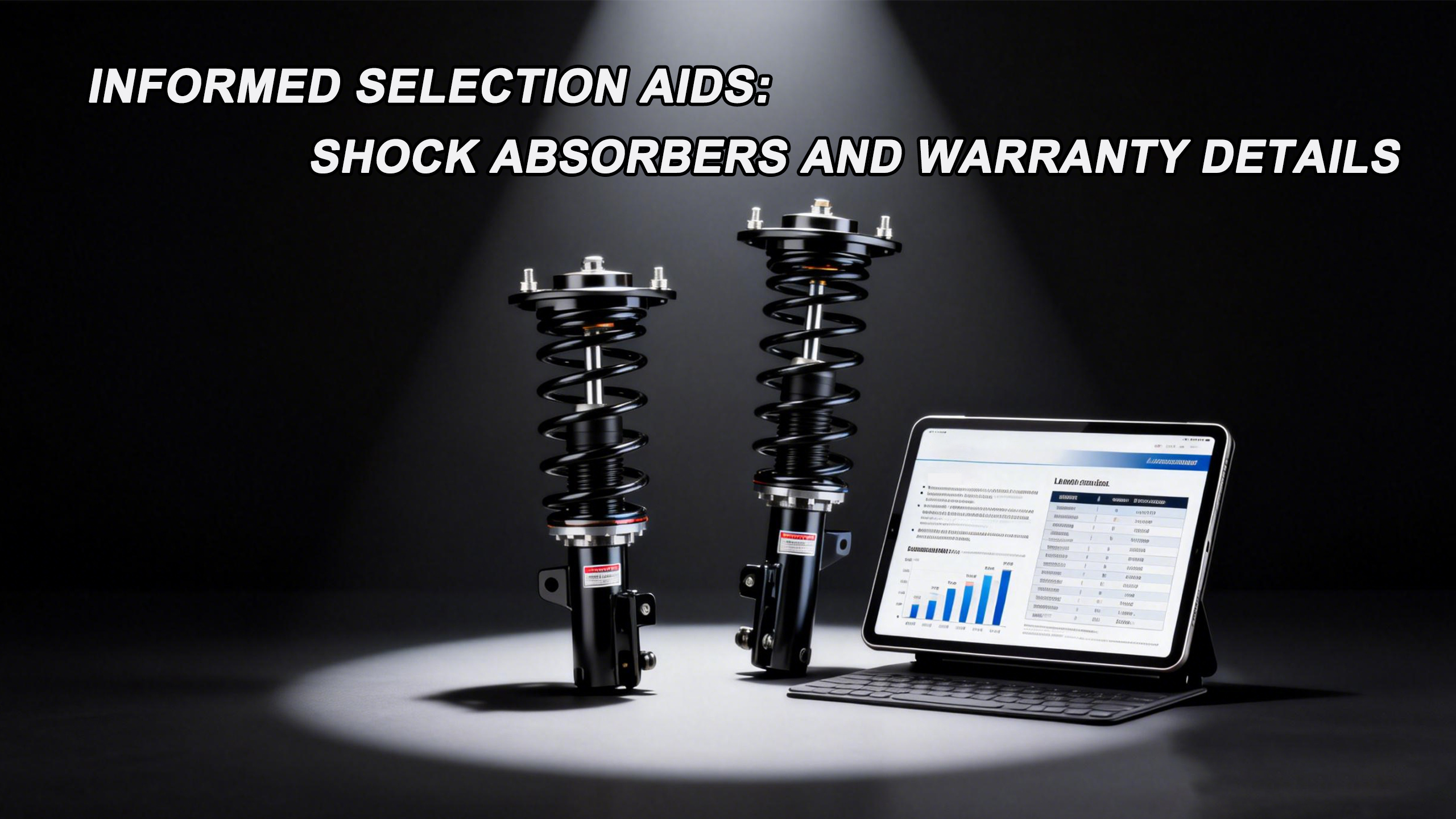
Shock Absorber Types and Key Functional Differences
OEM, Adjustable, and Performance Shock Absorbers Explained
OEM (Original Equipment Manufacturer) shock absorbers are engineered to match factory specifications—delivering balanced comfort, predictable handling, and long-term durability for daily driving. Twin-tube designs dominate this category due to their cost-effectiveness and smooth response to minor road imperfections, making them ideal for standard passenger vehicles and light-duty SUVs.
Adjustable shock absorbers offer tunable compression and rebound damping via manual dials or electronic control systems. While they provide flexibility for varying loads or terrain, optimization requires technical understanding: improper tuning reduces damping effectiveness by up to 40% in performance applications, according to SAE International testing protocols.
When it comes to performance shocks, what really matters is how well they handle precise movements and stay stable even when things get hot. Most quality shocks use monotube design because this helps prevent the oil from turning into foam when pushed hard, something that happens a lot during intense driving conditions. The damping stays pretty much the same even when temperatures climb. These shocks also feature bigger pistons inside along with pressurized nitrogen chambers that make them respond better to road changes and last longer before they start to wear out. Compared to regular twin tube models, these kinds of shocks just keep working properly for much longer periods of time, especially after going through extended periods of heavy use or exposure to extreme heat.
Matching Shock Type to Driving Environment: On-Road Comfort vs. Off-Road Demands
Selecting the right shock absorber means aligning design strengths with real-world conditions.
On paved roads, twin-tube OEM units deliver quiet, compliant ride quality while minimizing cabin noise and vibration. Gas-charged variants add mild damping enhancement—reducing body roll during lane changes and highway transitions without sacrificing comfort.
When tackling rough terrain, vehicles need components that can handle serious punishment while still getting the job done. Monotube shocks are the way to go in these situations because they stay cool even after multiple impacts. These shocks maintain around 95% of their shock absorption power through tough conditions, while regular twin tube shocks start losing effectiveness much quicker when pushed hard. Look for adjustable models with longer travel distance too since they handle those unexpected dips and bumps better, which matters a lot on rocky trails or bumpy backroads. Serious off-roaders who run loaded trucks or long distance adventure rigs often turn to coilover setups where springs and shocks work together in one package. This combination helps keep things level when carrying extra gear and gives better control over wheel movement. Just remember to check specs carefully before buying anything. Shocks rated below what the truck actually needs will not only break down sooner but also void manufacturer guarantees if problems arise later on.
Vehicle-Specific Shock Absorber Selection and Fitment Guidelines
Critical Fitment Factors: Axle Load, Lift Height, and Mounting Compatibility
Three interdependent specifications determine whether a shock absorber will function safely and effectively: axle load capacity, lift height, and mounting geometry. Overlooking any one risks premature wear, compromised handling, or structural damage.
| Factor | Importance | Key Consideration |
|---|---|---|
| Axle Load | Determines required damping force and oil volume | Vehicles exceeding 7,500 lbs GVWR typically need larger-diameter bodies for effective heat dissipation |
| Lift Height | Directly affects required extended and compressed lengths | A 3-inch suspension lift demands shocks with at least 3 inches of additional extension to avoid overextension or binding |
| Mounting Type | Ensures physical compatibility and proper alignment | Eyelet vs. stud configurations require exact bracket matching—misalignment induces stress fractures, especially during off-road articulation |
Always cross-reference manufacturer fitment data against your vehicle’s GVWR, suspension modifications, and intended use before purchasing. No shock performs as designed if it doesn’t physically fit—or fit correctly.
Understanding Shock Absorber Warranty Coverage and Limitations
What’s Covered: Leaking, Defects, and Manufacturer Diagnostic Standards
The majority of manufacturers do include coverage for major problems like fluid leaks and structural issues in their limited warranty terms. When it comes to leaks, most companies will replace parts only if there's a fluid loss greater than 5 milliliters within a day, something they check with standard tests across the industry. For structural problems, we're talking about things like cracks in the housing, welds that have given way, or valves inside that are damaged. These kinds of issues need special attention. The assessment usually involves what's called rebound testing along with pressure diagnostics, and this has to be done at official service centers approved by the manufacturer.
Claims require documentation: proof of purchase, professional installation records, and lab-validated diagnostic reports. Coverage duration varies—some brands enforce mileage limits (e.g., 60,000 km), while others apply time-based terms (e.g., 2 years). All require adherence to manufacturer-specified installation and usage guidelines.
Common Exclusions: Wear-and-Tear, Misuse, and 'Normal Use' Definitions
Warranties universally exclude degradation from regular use—defined as measurable performance decline after approximately 80,000 km on paved roads. Misuse exclusions are strictly enforced and include:
- Off-roading with shocks tuned exclusively for street use
- Exceeding vehicle GVWR through overloading
- Racing, competitive driving, or commercial applications (e.g., delivery or towing services)
- Corrosion damage in high-salt environments (e.g., coastal or winter-road regions)
- Installation of non-certified lift kits or suspension modifications
“Normal use” clauses explicitly exclude terrain beyond OEM-recommended thresholds—such as sustained rock crawling or extreme articulation without compatible hardware. Industry data shows 78% of denied warranty claims stem from these exclusions, underscoring the importance of reviewing terms before purchase.
Factory vs. Extended Warranty: Practical Implications for Shock Absorber Buyers
Factory warranties typically cover shock absorbers for 1–3 years against manufacturing defects—but exclude normal suspension wear, even within that period. Extended warranties may extend coverage to 5 years but often carry price premiums of 15–30% over the original component cost.
There are some important differences to know about. When you buy a vehicle, factory warranty coverage comes automatically. But those extended protection plans? They need separate sign-up and often leave out things like existing alignment problems or damage from off road driving. Most people don't realize this, but many extended warranties won't pay for seal deterioration as vehicles age. That's actually what causes shocks to fail after around 50k miles on the road. Think about how you drive day to day. If someone regularly drives off pavement, carries heavy loads in the back, or has modified suspension components, these activities wear parts down faster than what manufacturers consider normal usage. For these drivers, spending extra money on extended coverage might not be worth it in the long run.
FAQ Section
What is the main difference between OEM and performance shocks?
OEM shocks are designed for regular daily driving, offering comfort and predictability, while performance shocks handle precise movements and intense conditions better, often featuring monotube designs for enhanced durability.
Why are adjustable shocks beneficial in off-road conditions?
Adjustable shocks allow tuning for different terrains, optimizing for issues like dips and bumps which are common in off-road conditions.
How do I determine the right shock absorber for my vehicle?
You should consider axle load, lift height, and mounting compatibility, cross-referencing fitment data with vehicle specifics before purchasing.
What are the typical exclusions in shock absorber warranties?
Warranties often exclude wear-and-tear from regular use, misuse like off-roading with street shocks, overloading, and non-certified modifications.