
 EN
EN



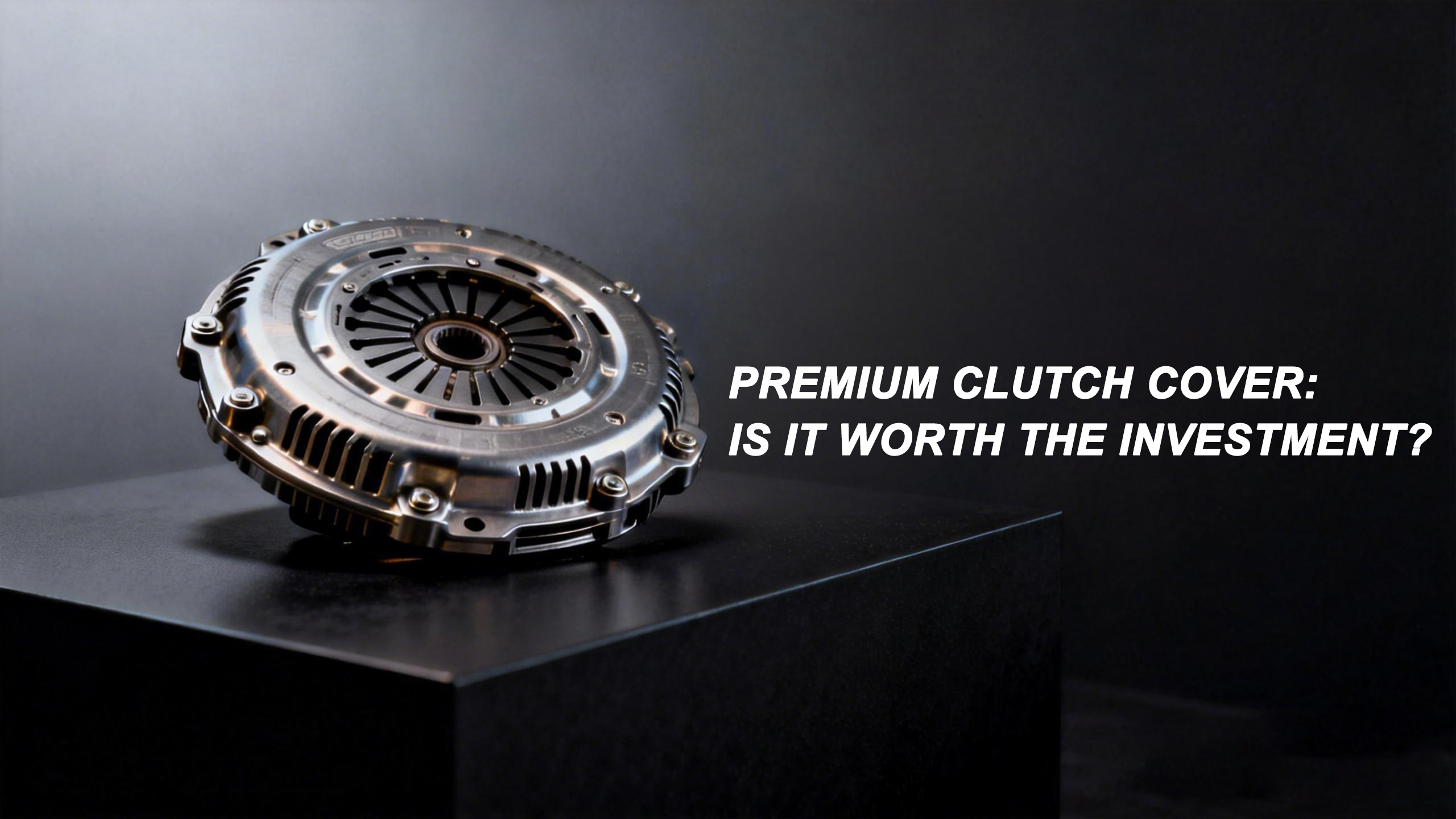
Clutch Cover Performance: How Premium Materials Enhance Durability and Driveability
Why Standard Clutch Covers Fail Early Under Heavy Load or Frequent Engagement
Most standard clutch covers are built with stamped steel cases and organic friction materials. These work okay for everyday driving around town, but they really struggle when put through their paces in tough situations. When someone's hauling a trailer, stuck in stop-and-go city traffic, or constantly shifting gears aggressively, things start getting hot real fast. Temperatures can go past 300 degrees Fahrenheit, which causes problems like thermal fatigue in the pressure plate and those annoying glaze marks forming on the friction surfaces. What happens next? Well, drivers notice all sorts of issues including that irritating chatter when engaging gears, reduced power delivery from the engine, and components wearing out much quicker than expected. According to some recent testing done by Benchmark Drive Dynamics last year, regular clutches show about 43 percent more slippage after only 15,000 miles of hard use. That kind of performance drop isn't just inconvenient either it often signals bigger problems down the road and explains why so many people end up replacing their clutches earlier than planned.
Dual-Mass Damping and Heat-Resistant Friction Linings in Premium Clutch Cover Designs
Better quality clutch covers fix these problems using smart engineering approaches. The dual mass flywheel design comes with torsional dampers that soak up shocks from the drivetrain. This cuts down on the maximum stress experienced by clutch parts by around 60 percent. When paired with friction linings made from sintered metal or reinforced with Kevlar, these systems handle heat much better. These materials can keep working even when temperatures climb past 500 degrees Fahrenheit (about 260 Celsius). They prevent the clutch from fading and stop hot spots from forming. According to a recent issue of Auto Engineering Quarterly, these kinds of linings conduct heat three times faster than regular organic options, so they cool down quicker. Forged aluminum covers also help out by making the whole system stiffer without adding extra weight. This makes gear shifts feel sharper and more responsive. On cars modified for serious performance (Stage 3 setups), all these improvements together mean the clutch lasts about 70% longer than what comes standard from the factory.
Total Cost of Ownership: Calculating the Real Value of a Premium Clutch Cover
Labor Costs and Downtime Make Replacement Frequency the Largest TCO Driver
When it comes to replacing clutch covers, most of the money goes toward labor costs, which can eat up around 60 to 70 percent of what the whole job costs. Getting a bad clutch cover fixed usually means taking out the transmission first. That's no quick fix either - mechanics spend anywhere from six to eight hours on this kind of work, and just for labor charges alone we're talking somewhere between five hundred and nine hundred dollars. Commercial vehicle operators know all too well how expensive unexpected breakdowns can be. Every time there's a repair needed, the fleet sits idle while money stops coming in for several days straight. The good news? High quality clutch covers tend to stick around two or even three times longer when put through similar stress levels. This means fewer replacements over time, which saves on those costly labor bills and keeps operations running smoothly without constant interruptions.
Break-Even Analysis: When Does a Premium Clutch Cover Pay for Itself?
While premium units carry a 1.5–2× higher upfront cost, their extended service life delivers rapid ROI. Over 100,000 miles, the savings compound:
| Cost Factor | Standard Clutch Cover | Premium Clutch Cover |
|---|---|---|
| Unit Cost | $300 | $550 |
| Replacements | 3 | 1 |
| Labor Cost | $2,400 | $800 |
| Total Ownership | $2,700 | $1,350 |
The premium option breaks even after approximately 40,000 miles and yields a 49% reduction in total ownership cost. For fleet operators, reduced downtime translates into additional, quantifiable gains—making the upgrade not just a durability investment, but a strategic operational decision.
Clutch Cover Compatibility: Ensuring Proper Fit, Function, and Longevity Across Platforms
Critical Installation Factors: Flywheel Runout, Pilot Bearing Alignment, and Torque Converter Interface
Even the most advanced clutch cover cannot perform as designed without precise installation. Three interdependent tolerances govern long-term reliability:
- Flywheel runout beyond 0.004 inches disrupts uniform pressure application, accelerating wear and contributing to 38% of premature failures, per industry field data.
- Pilot bearing misalignment introduces axial load imbalances, resulting in chatter and localized overheating on friction surfaces.
- Torque converter interface clearance must remain within OEM-specified limits—typically under 0.2mm—to maintain proper fluid dynamics and prevent hydraulic inefficiencies in automatic transmissions.
Ignoring these specifications can slash clutch cover life by 50–70%, costing large fleets over $740,000 annually in avoidable downtime (Ponemon Institute, 2023). Certified technicians using laser alignment tools and OEM-recommended procedures consistently achieve optimal fitment—ensuring full realization of design intent across diverse vehicle platforms.
FAQ
Q1: What causes standard clutch covers to fail early?
A1: Standard clutch covers often fail early due to high temperature buildup from heavy loads and frequent engagements, leading to thermal fatigue and glaze marks.
Q2: How do premium clutch covers enhance performance?
A2: Premium clutch covers use dual mass flywheels, torsional dampers, and heat-resistant materials like sintered metal or Kevlar lining, improving heat handling and reducing component stress.
Q3: What is the cost benefit of using a premium clutch cover?
A3: Premium clutch covers, despite a higher upfront cost, provide longer service life, reducing labor costs for replacements and downtime, thus cutting total ownership costs significantly.
Q4: What installation factors affect clutch cover performance?
A4: Proper installation factors like flywheel runout, pilot bearing alignment, and torque converter interface are critical for optimal performance and longevity of clutch covers.