
 EN
EN


Why No-MOQ Brake Caliper Supply Empowers Small Repair Shops
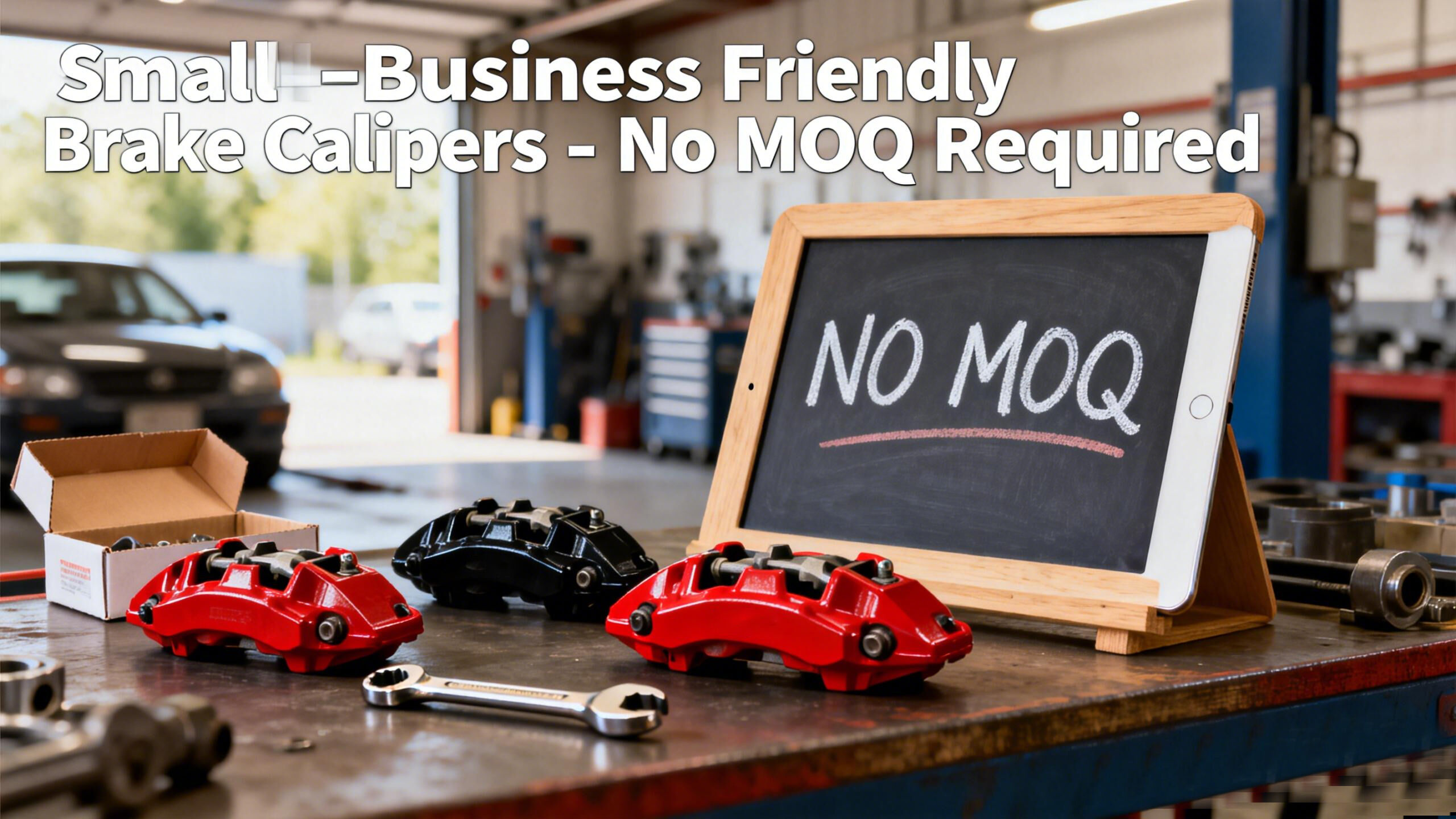
Eliminating Inventory Risk and Upfront Capital Burden
Independent auto repair shops really struggle financially when traditional suppliers push them to buy brake calipers in large quantities. Most shops have to shell out between $1,500 and $5,000 all at once just to get started, which ties up around a third to almost half of their working capital in parts that sit on shelves collecting dust instead of going toward hiring help or upgrading tools. The Automotive Service Association reported last year that nearly two thirds of small garage owners worry most about old stock becoming obsolete, particularly as car manufacturers keep changing their designs so fast. Getting rid of those minimum order requirements makes things much easier for mechanics who can now order just one caliper at a time when needed. This approach cuts down on storage costs by roughly 60% and gives shop owners cash flow flexibility they desperately need for expanding operations or investing in new technology.
Improving Cash Flow and Service Responsiveness for Independent Mechanics
Independent auto repair shops find that running without minimum order quantities for brake calipers completely changes how money flows through their business. Mechanics don't have to spend big bucks upfront anymore, which keeps cash available for those emergency fixes or when they need to boost their marketing efforts. Imagine a situation where someone comes in with sudden brake problems. Shops can actually get the right calipers delivered in just one day instead of waiting the usual week or so for bulk orders. According to recent research from the Aftermarket Parts Performance Study last year, this kind of quick response cuts down on cars sitting idle by almost half and makes customers come back more often too. Without all that money tied up in parts nobody needs right now, these smaller shops stay lean but still manage to fix vehicles much faster than most dealerships can handle.
Brake Caliper Cost Efficiency: Remanufactured, New, and Loaded Options Compared
Total Cost of Ownership (TCO) Analysis: 3-Year Breakdown by Brake Caliper Type
Repair shops looking at different brake caliper choices need to think past just what they pay at first glance. Remanufactured calipers usually come in around 40 to 60 percent cheaper than brand new ones, which makes them appealing when money is tight. On the flip side though, original equipment manufacturer specifications tend to last significantly longer according to various fleet tests. Some studies indicate these genuine parts can stay functional about 18 to 24 percent longer before needing replacement. There's also something called loaded caliper kits available now. These come already put together with all the necessary components like pads, hardware and seals included. This eliminates having to buy each part separately. Looking at total costs over approximately three years reveals some interesting findings worth noting.
- Remanufactured calipers offer the lowest initial investment but may require earlier replacement in high-mileage vehicles
- New calipers provide optimal durability for commercial fleets, with 3-year savings up to 27% versus repeated remanufactured replacements
- Loaded kits reduce secondary part costs by 35% on average, minimizing hidden expenses
Labor Savings from Pre-Loaded Brake Caliper Kits and OE-Matched Fitment
Brake caliper solutions that come pre-loaded really cut down on time spent in the shop. Mechanics can save around half an hour for each axle they install since there's no need to put components together or check if everything fits properly. That kind of time saving matters a lot when technicians are dealing with over fifteen service requests every day. The OE matched fit makes these calipers just bolt right on to cars made here in America as well as those from Asia and Europe. Shops report about a two thirds drop in problems related to wheel alignment after switching to these systems. Plus, these all-in-one kits stop those frustrating warranty issues caused by wrong pads getting installed or parts going missing. For repair shops looking to get more done without hiring extra hands, this efficiency boost means being able to tackle three to five extra repair jobs each week.
Brake Caliper Compatibility and Performance Across Diverse Vehicle Fleets
Verified OE-Spec Fitment for Domestic, Asian, and European Platforms
For independent repair shops working on mixed vehicle fleets, there are real headaches involved. Different makes and models come with their own unique problems. Domestic trucks sit differently than those Asian sedans or European sport models, which means mechanics need specific caliper specs for each job. The numbers get pretty intense too. Brake calipers have to handle heat way above 500 degrees Celsius and pressure pushing past 2000 pounds per square inch according to industry rules. These requirements apply regardless of what kind of platform they're installed on, making parts selection a real puzzle for shop owners trying to stock everything they might need.
- Domestic trucks require calipers with higher piston surface area to manage heavier GVWR
- Asian economy vehicles prioritize compact designs for tighter wheel well clearances
- European performance models demand specialized alloys for heat dissipation during aggressive braking
When drivers install parts that don't meet specifications, they're basically setting themselves up for trouble. The results? Uneven brake pad wear, warped rotors, and significantly shorter stopping distances according to recent 2023 brake tests showing reductions between 15 to 22 percent. Going with components that match original equipment specifications cuts down on all those problems and makes sure everything works properly with ABS and ESC systems something absolutely essential for today's cars with electronic braking controls. Getting this right keeps each vehicle performing exactly how it was designed to perform, plus genuine parts tend to last about 30% longer than generic replacements that just sort of fit but never really work as well.
Brake Caliper Durability in Harsh Environments: Corrosion Resistance and Real-World Longevity
Field Data Insights: Salt-Induced Degradation Patterns in Coastal and Northern U.S. Markets (2022–2024)
Corrosion problems with brake calipers get worse fast in areas where roads are heavily salted, cutting their lifespan down by around 30 to 50 percent compared to places with dry weather, according to recent SEMA research. Mechanics at coastal repair garages see calipers failing after only 18 to 24 months because saltwater gets into the metal so easily. Up north in the US, vehicle fleets struggle with seized pistons much quicker than those operating in the southwest. Looking at data collected between 2022 and 2024 reveals some pretty clear trends about how different environments affect brake components over time.
| Degradation Factor | Coastal Impact | Northern States Impact |
|---|---|---|
| Surface Pitting Onset | 3–5 months | 5–8 months |
| Piston Seal Compromise | 12–15 months | 18–22 months |
| Structural Integrity Loss | 24–30 months | 36–42 months |
Advanced epoxy coatings and stainless-steel pistons demonstrate 40% longer service life in salt-heavy zones (NACE 2023). Mechanics should prioritize Electronic Parking Brake (EPB) systems with IP6K9K waterproof ratings and quarterly saline flushing for vehicles in these high-risk regions to combat premature failure.
FAQ Section
What is No-MOQ brake caliper supply? No-MOQ means there is no minimum order quantity required when purchasing brake calipers, allowing shops to order only the amount they need.
How do pre-loaded brake caliper kits benefit repair shops? Pre-loaded kits save time for mechanics due to the reduced need for assembling parts and ensure proper fitment, reducing alignment issues and warranty claims.
Why are genuine brake parts important for performance? Genuine parts match OEM specifications, ensuring compatibility with ABS and ESC systems, and typically last 30% longer than generic replacements.
How does environment affect brake caliper longevity? Calipers in salt-rich environments corrode faster. Coastal areas face faster degradation, while northern states experience piston issues. Using coated parts can improve longevity by 40%.
Table of Contents
- Why No-MOQ Brake Caliper Supply Empowers Small Repair Shops
- Brake Caliper Cost Efficiency: Remanufactured, New, and Loaded Options Compared
- Brake Caliper Compatibility and Performance Across Diverse Vehicle Fleets
- Brake Caliper Durability in Harsh Environments: Corrosion Resistance and Real-World Longevity