
 EN
EN



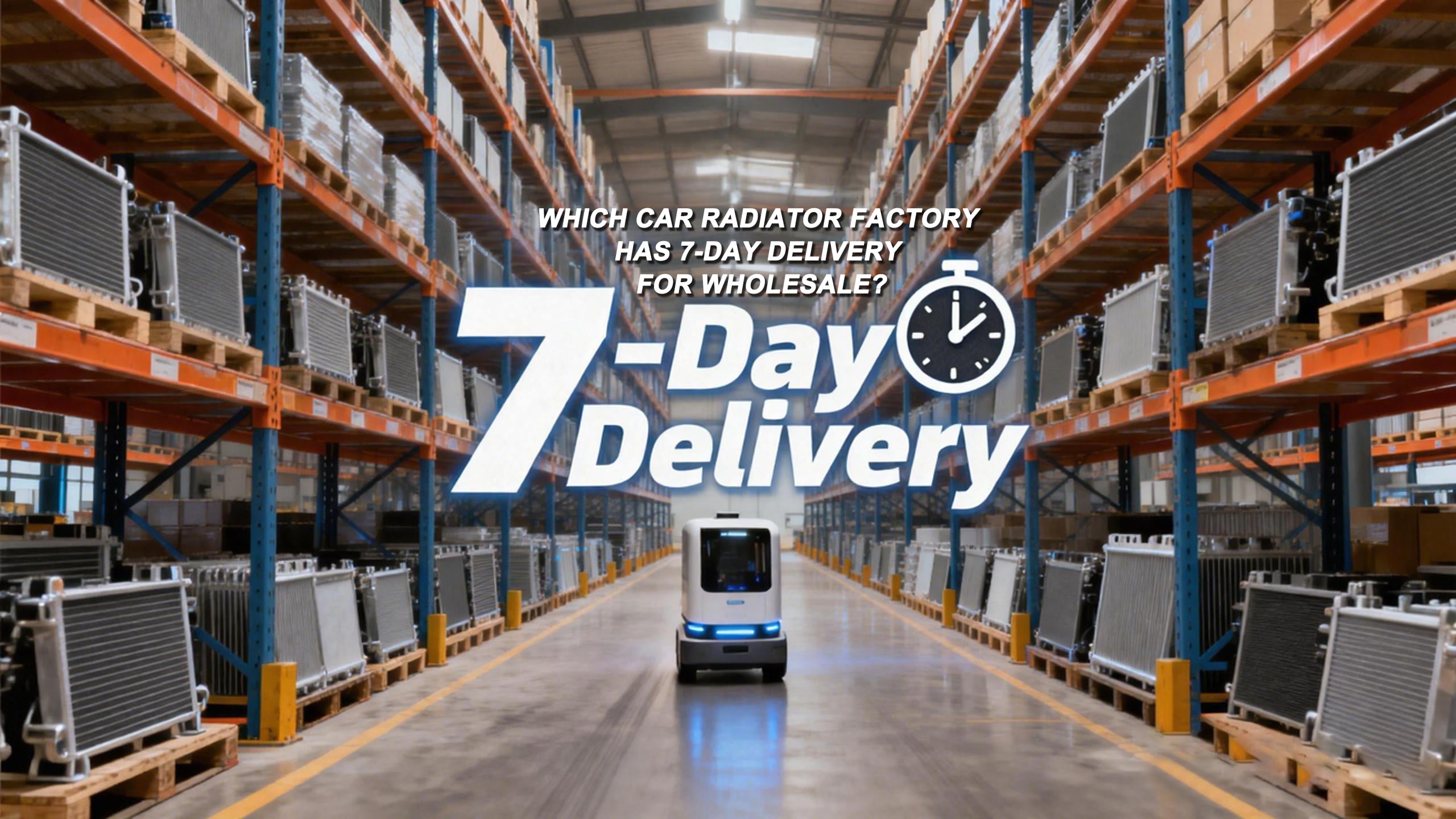
Top Car Radiator Factories with Verified 7-Day Wholesale Delivery
Dongguan Radiantherm: ISO/TS 16949-Certified Car Radiator Factory Delivering MOQ 500 Units in 7 Days
Dongguan Radiantherm holds IATF 16949 certification and regularly handles bulk orders over 500 units in just seven days flat. By sticking to those strict automotive quality standards, they manage to avoid most production holdups, especially when dealing with tricky aluminum parts or copper brass cores. This approach helps them hit their target delivery window around 96% of the time. Plus, their network of warehouses across the region combined with good relationships with logistics providers means orders get shipped fast without extra charges for express delivery, all while maintaining product quality standards.
How Lean Manufacturing and Pre-Assembled Core Inventory Enable Consistent Car Radiator Lead Times
Factories delivering verified 7-day lead times rely on three interlocking lean practices:
- Pre-assembled core inventories covering 80% of common OEM configurations
- Kanban replenishment systems, which automatically trigger production when stock falls below predefined thresholds
- Modular design architectures, enabling last-minute customization (e.g., inlet/outlet repositioning) without halting full assembly
By holding critical subcomponents—including tanks, fins, and headers—in ready-to-assemble states, these suppliers reduce final build time to under 48 hours. Industry benchmarks confirm such operations achieve lead times 40% shorter than conventional manufacturers.
Understanding the Real Meaning of '7-Day Delivery' for Car Radiators
What's Included (and Excluded): Standard vs. Custom Car Radiator Configurations
The promise of getting something shipped within 7 days is only good for those standard setups we see all the time: stuff that's already made like regular cores, normal connections (think 1.5 inch inlets on top and bottom), and sizes everyone asks for. These off-the-shelf items come right from what's sitting in warehouse stock, so they can go out pretty much as soon as money clears. But when things get customized are where everything changes. We're talking about weird core thicknesses (triple row comes to mind), strange placement of inlets and outlets, or special metal blends. All these need new tools made or materials tracked down somewhere else, which adds anywhere between two weeks to almost a month onto delivery schedules. And here's something important buyers often forget to check: does the stated delivery time actually cover all the finishing touches? Some companies don't count final pressure tests, making sure there are no leaks, or even putting products into proper retail boxes when they quote those fast shipping times.
Red Flags to Spot: When '7-Day Delivery' Is a Marketing Claim Without Production Backing
Vague or evasive responses about inventory depth, production capacity, or scheduling are early indicators that a "7-day" promise lacks operational grounding. Key red flags include:
- Contractual language like "subject to availability" or "flexible timelines"
- Use of generic stock imagery instead of verifiable warehouse or production floor photos
- Inability to share real-time production scheduling dashboards or Kanban tracking screenshots
- No stated cutoff time for same-day order processing
Trusted manufacturers document their lean workflows transparently and offer written delivery guarantees backed by process controls—not just marketing copy. Always request evidence of standardized procedures before committing to wholesale volume orders.
Optimizing Wholesale Car Radiator Procurement Across Supply Tiers
Building resilient car radiator supply chains really comes down to having multiple sources rather than relying on just one supplier. When companies spread their purchases among different types of suppliers - big volume certified ones, regional flexible providers, and those niche specialty manufacturers - they significantly reduce the risk of production stoppages. The numbers back this up too; according to recent reports, nearly 8 out of 10 auto makers list being stuck with only one supplier as their biggest worry in the supply chain world. Consolidating larger volumes works well for cost savings as well. Orders above 500 units usually save between 15 to 22 percent thanks to bulk pricing, but only if quality control stays consistent throughout all these different supplier levels. Partnering with factories in various regions gives businesses extra flexibility when things go wrong at ports or transportation gets disrupted. What makes tiered procurement so valuable is how it lets purchasing teams send standard mass orders to their main suppliers while keeping tricky technical specs or smaller batches for those specialized manufacturers. This approach turns those old fashioned straight line supply chains into something much smarter that can actually respond to changing market demands.
FAQ
What certifications should a reliable car radiator factory have?
A reliable car radiator factory should ideally hold IATF 16949 certification, as it indicates adherence to strict automotive quality standards.
Does '7-day delivery' cover custom car radiators?
No, '7-day delivery' typically applies to standard configurations. Custom setups, such as with unique core thicknesses or special metal blends, often require additional time for delivery, sometimes up to a month.
What are signs that a '7-day' delivery claim is unreliable?
Red flags include non-specific inventory and scheduling replies, use of generic images, lack of access to production tracking systems, and no clear-cutoff times for same-day processing.
How can companies optimize their car radiator supply chain?
Optimizing the supply chain involves diversifying suppliers, consolidating larger volume orders for cost savings, and maintaining quality control across different supplier levels.