
 EN
EN


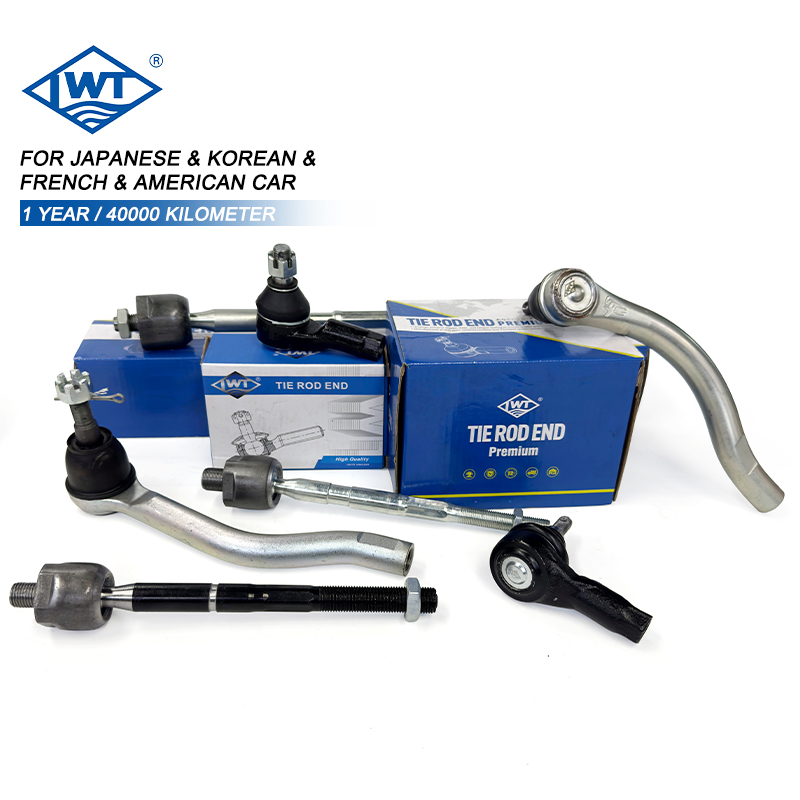
Top Tier-1 Tie Rod End Factories for Wholesale and Fast Shipping
Taiwan and China-Based OEM Factories with Integrated Logistics Hubs
Both Taiwan and mainland China are home to top OEM factories that manufacture tie rod ends for sale across the globe. These manufacturing centers sit right next to big shipping ports and transportation routes, which gives them access to efficient logistics operations. Most orders get processed quickly through these hubs, with bulk shipments usually reaching customers somewhere between five to seven business days after placement. The combination of relatively low labor costs, well-established supply chains, and volume discounts helps cut down what buyers pay when goods arrive at their doorstep. Many plants now use computerized systems to track inventory levels in real time while implementing JIT (just-in-time) delivery approaches. This means fewer surprises with stock shortages and better reliability for companies needing large quantities of parts on tight schedules.
Certified Suppliers Meeting ISO/TS 16949 and AEC-Q200 for Automotive Suspension
The best suppliers in the business stick to ISO/TS 16949 standards, which is basically the gold standard for quality management in automotive manufacturing. This standard demands strict process controls, focuses on preventing defects before they happen, and emphasizes constant improvements over time. They also need to meet AEC-Q200 requirements that test how well components hold up against intense heat, physical stress, and harsh environmental conditions. When manufacturers have both these certifications, it means their tie rod ends can handle heavy loads, resist vibrations, and stand up to corrosion while still delivering accurate steering responses. The companies keep things consistent through regular checks by independent auditors, statistical process control methods, and detailed measurements during production. For anyone buying these parts in bulk, especially for critical suspension systems where safety matters most, this level of quality assurance gives peace of mind about product longevity, meeting all regulations, and minimizing failures once installed on vehicles.
How Tie Rod End Manufacturing Capabilities Drive Speed and Scalability
High-Precision Forging, CNC Machining, and Automated Assembly Lines
In Tier-1 manufacturing facilities, vertical integration really speeds things up. The process starts with high precision forging where raw steel gets shaped under massive 2,500 ton hydraulic pressure. This helps create better grain structures and improves how the metal handles stress over time. Then comes CNC machining which can hit tolerances as tight as plus or minus 0.01mm on important parts like taper seats and threads. And don't forget about those robotic assembly lines that snap in ball joints and install grease fittings every 18 seconds flat. What makes these operations so reliable is their closed loop feedback systems. These smart systems constantly tweak parameters throughout different shifts, keeping everything dimensionally stable even when they're cranking out over half a million units each month. When compared to traditional outsourcing models, this integrated approach typically reduces lead times by around 60%. Plus it allows manufacturers to scale production quickly without sacrificing that all important level of precision that customers demand.
In-Line Quality Control and 100% Functional Testing for Wholesale Consistency
We build quality right into our manufacturing process from start to finish instead of waiting until the end for inspection. After forging, laser scanners check the entire geometry of parts. Then we run inline coordinate measuring machines or CMMs to make sure all dimensions match what we designed digitally. Every single assembly goes through rigorous testing where it's subjected to over 200,000 hydraulic load cycles that mimic real world conditions like hitting potholes or curbs. Special load cells monitor how forces are distributed during these tests. Our statistical process control system keeps tabs on CpK values in real time, so if something drifts out of spec we can fix it immediately to stay compliant with ISO/TS 16949 standards. All this thorough testing means parts from different production runs work interchangeably, and our field failures drop under 0.2%. That cuts down on expensive rework and makes sure everything leaving our facility meets shipping requirements right away.
Wholesale Tie Rod End Pricing Models: Balancing Cost, MOQ, and Lead Time
FOB vs. DDP Terms and Their Impact on Landed Cost and Delivery Speed
The choice between FOB (Free On Board) and DDP (Delivered Duty Paid) shipping terms makes a real difference in what companies pay and how fast their products arrive. With FOB arrangements, the buyer takes over responsibility for everything once the goods leave the origin port. This gives them more control over shipping options and can actually cut down transit time by around 15 to 20 percent if they go with express carriers. But there's a catch - buyers then have to handle all the customs paperwork and local charges at the destination, which typically adds about 12 to 18 percent to the final cost of the product. On the other hand, DDP terms bundle everything together including import duties, taxes, and even last mile delivery to the warehouse door. While this simplifies things for teams and makes budgeting easier, it usually means waiting an extra 5 to 7 days because the shipment has to follow optimized routes through customs. Big volume purchasers tend to prefer FOB since it allows them to consolidate multiple shipments and save money on logistics per unit. Meanwhile DDP is great for businesses that want less hassle with paperwork. According to industry reports, shipments under DDP face about 20 percent fewer problems at customs borders compared to FOB cargo. And when speed matters most, switching to urgent FOB service can slash overall delivery time by as much as 30 percent in some cases.
Key Tradeoffs:
- FOB: Faster transit, variable landed cost
- DDP: Fixed pricing (+8–12% base cost), slower but more predictable routing
Selecting the Right Tie Rod End Factory: Key Due Diligence Checklist
When looking for a good tie rod end manufacturer, it really comes down to checking how serious they are about their operations and whether they're open about what they do. Look for factories that actually have ISO/TS 16949 certification (and not just talk about it) with proof from recent audits. The same goes for AEC-Q200 validation too. Make sure there are actual test results showing how these components handle things like temperature changes, shocks from road conditions, and moisture over time. Also worth checking is whether Statistical Process Control is properly implemented using automated measuring equipment. Most quality manufacturers can get within around 0.01mm tolerance, which makes all the difference when precision matters most.
Assess logistics readiness:
- Proximity to major ports or rail hubs
- Demonstrated capability to execute DDP terms efficiently
- Documented safety stock protocols (30–60 days) for fast-fill orders
Manufacturers need solid proof that products undergo complete end line functional testing. This should include proper load cycle validation at least 50,000 times over, good salt spray resistance for around 720 hours minimum, plus reliable torque retention measurements. Raw material tracking is essential too, along with having backup suppliers ready in case something goes wrong with primary sources. For cost analysis, companies must run landed cost models comparing FOB versus DDP arrangements. These calculations need to factor in all those extra costs like tariffs, insurance coverage, warehouse handling fees, and whatever local import duties apply. The bottom line matters when looking at actual wholesale profits. And interestingly enough, factories equipped with live digital production dashboards tend to cut down on lead time variations significantly. Some industry reports from automotive logistics in 2023 suggest these facilities can actually improve consistency by as much as 40 percent.
FAQ
What are the benefits of choosing Tier-1 tie rod end factories?
Tier-1 tie rod end factories offer high-quality manufacturing capabilities and fast shipping due to their proximity to major logistics hubs. They also adhere to ISO/TS 16949 and AEC-Q200 certifications, ensuring product reliability and compliance with industry standards.
How can choosing the right shipping terms impact cost and delivery speed?
Choosing between FOB and DDP shipping terms affects both the land cost and delivery speed. FOB allows for faster transit and variable costs but requires handling customs paperwork. On the other hand, DDP offers fixed pricing but slower delivery times due to customs clearance.
What should be considered in a due diligence checklist for selecting a tie rod end factory?
A due diligence checklist should include certifications (ISO/TS 16949 and AEC-Q200), logistics readiness, functional testing capabilities, and cost analysis models for FOB versus DDP arrangements.