
 EN
EN



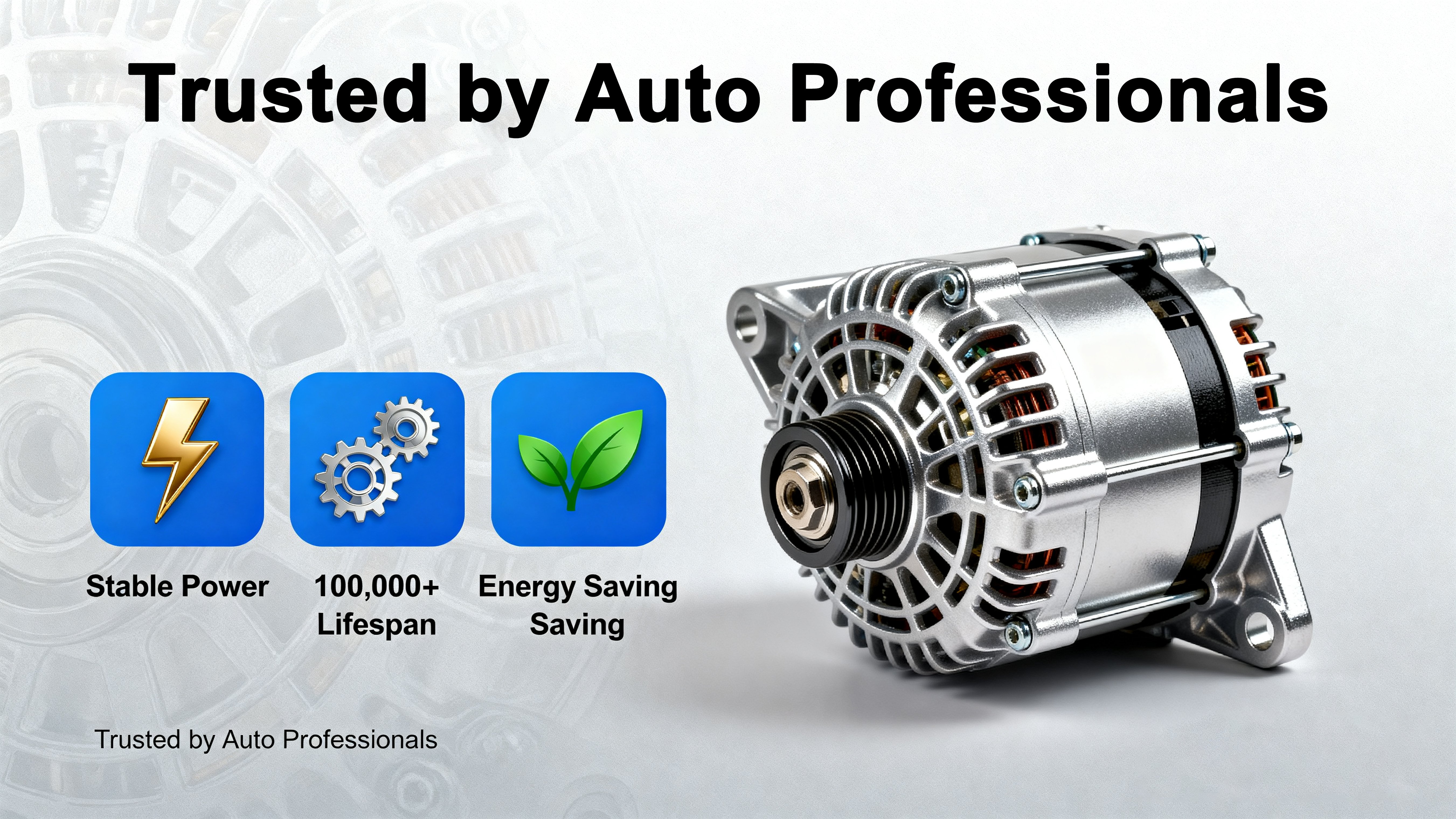
Your car’s alternator is the unsung hero of its electrical system, the core component that converts mechanical energy from the engine into electrical power to charge the battery and power all vital electrical parts—from the ignition and headlights to the infotainment system and climate control. A low-quality or worn alternator doesn’t just cause minor inconveniences; it can lead to catastrophic breakdowns, costly repairs, and even safety hazards on the road. Opting for a high-quality alternator is not just a purchase; it’s an investment in your car’s reliability, performance, and long-term value. Below, we break down the critical reasons to prioritize premium alternators for any vehicle, whether it’s a Japanese, Korean, American, or French make.
Unmatched Electrical System Reliability
The primary function of an alternator is to maintain a steady flow of electricity to your car’s battery and electrical components. High-quality alternators are engineered with precision-machined parts, durable copper windings, and robust voltage regulators that deliver a consistent electrical output, even under extreme driving conditions—such as stop-and-go city traffic, high-speed highway travel, or cold weather startups. Cheap, low-grade alternators often suffer from inconsistent voltage output, which can cause your battery to undercharge or overcharge. An undercharged battery leads to hard starts or a dead battery, leaving you stranded. Overcharging, on the other hand, can fry sensitive electrical components like the ECU, starter motor, or ignition coil, resulting in expensive replacements that far outweigh the initial savings of a budget alternator. A premium alternator ensures your entire electrical system operates as designed, eliminating the risk of unexpected electrical failures.
Superior Durability for Long-Term Performance
Automotive parts are built to withstand constant wear and tear, and alternators are no exception. High-quality alternators are constructed with high-grade materials—including heavy-duty bearings, heat-resistant casings, and corrosion-proof components—that are tested to endure thousands of miles of use. These parts are manufactured to strict industry standards, ensuring they can handle the heat, vibration, and environmental stress that come with regular driving. In contrast, low-quality alternators use flimsy, low-grade materials that wear out quickly, often failing within months of installation. A premium alternator not only lasts longer—typically 3–5 years or more with proper maintenance—but also requires fewer repairs, reducing the total cost of ownership over your car’s lifespan. For drivers who rely on their vehicles for daily commutes, work, or road trips, this durability translates to peace of mind and fewer disruptions.
Optimal Engine Efficiency and Fuel Economy
A faulty or low-quality alternator forces your car’s engine to work harder to compensate for inefficient power generation. The engine must divert more mechanical energy to drive a poorly performing alternator, which increases fuel consumption and reduces overall engine efficiency. High-quality alternators are designed to be energy-efficient, converting engine power into electricity with minimal waste. This means your engine doesn’t have to work overtime, leading to better fuel economy and reduced strain on engine components like the serpentine belt and pulleys. Over time, the fuel savings from a high-efficiency alternator can add up significantly, making it a cost-effective choice for both daily drivers and fleet vehicles. Additionally, a well-functioning premium alternator helps maintain proper engine performance, ensuring smooth acceleration and consistent power delivery.
Compatibility and Fit for All Vehicle Makes
Not all alternators are created equal, and a one-size-fits-all approach never works for automotive parts. High-quality alternators are engineered to be a perfect OEM-fit for specific vehicle makes and models—including Japanese (Toyota, Honda, Nissan), Korean (Hyundai, Kia), American (Ford, Chevrolet, Jeep), and French (Peugeot, Renault) cars. This precise fit eliminates the need for modifications or makeshift installations, which can cause alignment issues, excessive noise, or further damage to the engine bay. Premium alternators are also tested to meet the unique electrical demands of each vehicle, ensuring they work seamlessly with the car’s existing electrical system. Whether you drive a compact sedan, a heavy-duty truck, or a family SUV, a high-quality OEM-fit alternator guarantees optimal performance and compatibility.
Avoid Costly Secondary Repairs
The ripple effect of a low-quality alternator failure extends far beyond the part itself. A failing alternator can damage other critical automotive components, creating a chain reaction of costly repairs. For example, a bad alternator can ruin a brand-new battery, damage the starter motor, or short-circuit the electrical wiring—all of which require expensive labor and parts to fix. In some cases, an alternator failure can even cause the engine to stall while driving, posing a serious safety risk on busy roads or highways. Investing in a high-quality alternator is a proactive way to avoid these secondary repairs. Premium alternators come with reliable warranties, often covering 1–2 years or tens of thousands of miles, so you’re protected against manufacturing defects and premature failure. This warranty coverage adds an extra layer of security, ensuring you won’t be stuck with unexpected repair bills.
In conclusion, a high-quality alternator is an essential component of a reliable, high-performing vehicle. It delivers consistent electrical power, boasts superior durability, boosts engine efficiency and fuel economy, fits perfectly with your car’s design, and prevents costly secondary repairs. Cutting corners on an alternator might save you a small amount of money upfront, but it will almost always lead to more significant expenses and headaches down the line. For any driver who values safety, reliability, and long-term vehicle value, choosing a premium alternator is the only smart choice—ensuring your car’s electrical system runs smoothly for miles to come.