
 EN
EN



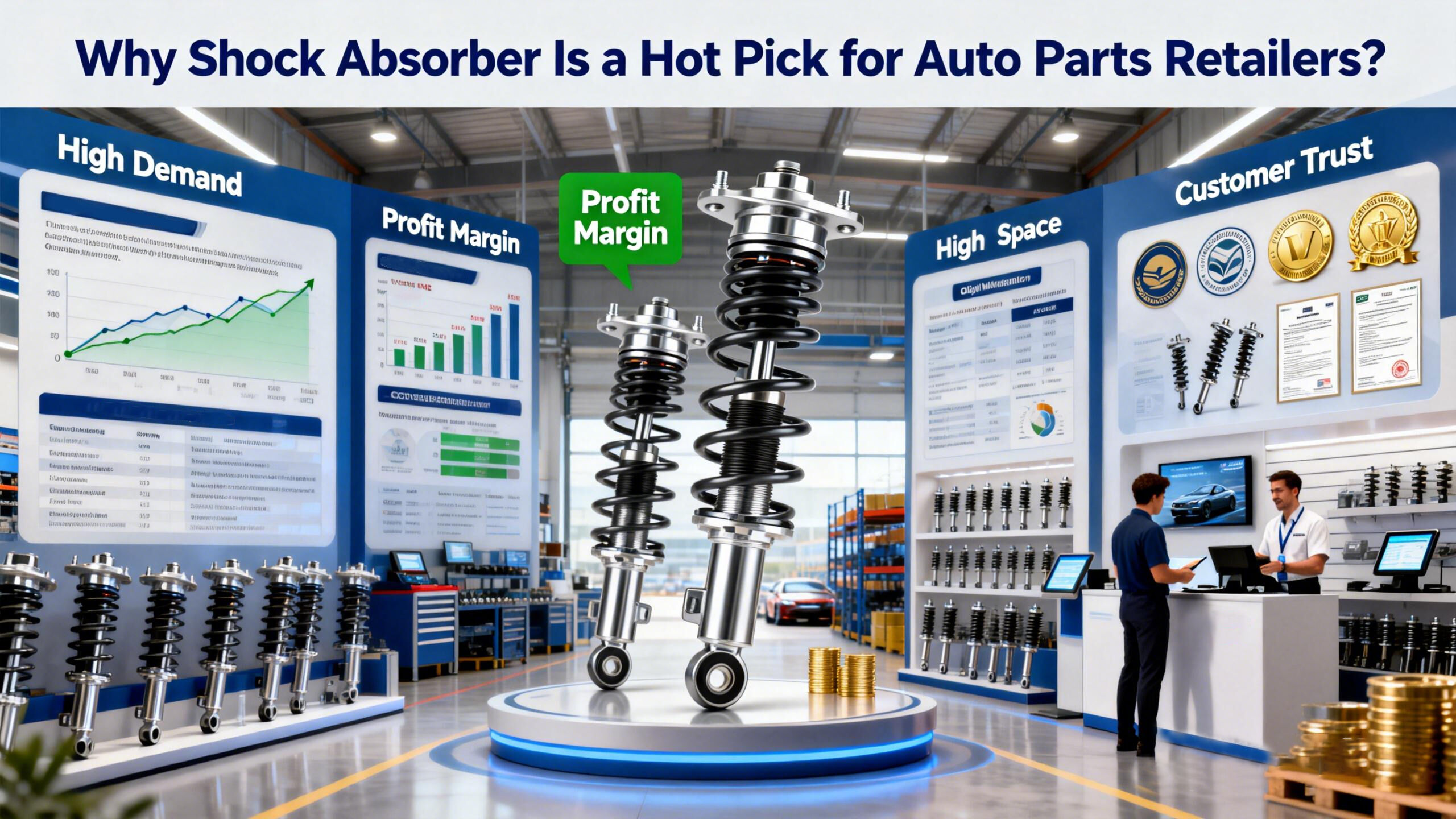
Strong Market Demand: Aging Fleets and Rising Replacement Urgency
Rising Aftermarket Replacement Needs Driven by Aging Vehicle Fleet
Cars around the world are getting older fast these days. Take a look at the numbers: American cars sit around for about 12.6 years on average while their European counterparts hang around just slightly less at 12 years according to market research from 2024. What happens when those shock absorbers start showing wear past the 50k mile mark? Well, parts like dampers and struts become real safety concerns that need replacing sooner rather than later. Most of these older models have long since lost their factory warranties, so car owners are looking for good deals without sacrificing quality. That's why many turn to aftermarket products instead. And guess what? This creates steady business for auto shops and retailers who stock up on those replacements, giving them reliable income streams month after month.
Consumer Pain Points: Signs of Worn Shock Absorbers Fuel Urgent Replacement Demand
Drivers experience unmistakable symptoms when shock absorber performance declines:
- Excessive bouncing after bumps
- Uneven tire wear
- Extended braking distances
- Steering instability during turns
These issues directly threaten safety: NHTSA data shows vehicles with worn dampers require up to 10% longer stopping distances. Combined with diminished ride comfort, this drives immediate replacement decisions. Retailers can reinforce urgency through educational content—highlighting how neglected suspension repairs accelerate tire replacement costs by 25%.
Compelling Consumer Value: Safety, Comfort, and Tire Longevity
How Shock Absorber Performance Directly Impacts Vehicle Safety and Ride Quality
When shock absorbers start to wear out, they actually decrease how much the tires stay in contact with the road surface, which is pretty serious from a safety standpoint. Driving on wet roads becomes even more dangerous because worn shocks can make stopping distances longer by around 20%, plus cars tend to lose stability when turning corners. Consumer Reports found something interesting here too - most drivers care a lot about getting good traction in wet conditions (about 74%) and proper handling characteristics (around 73%) when picking new tires for their vehicles. There's another aspect beyond just safety considerations though. Bad shocks lead to annoying vibrations inside the car cabin and excessive body movement during turns, something that really matters to people since nearly 60% of folks put ride comfort at the top of their priority list. Keeping shocks working properly means better grip on the pavement, more reliable control over the vehicle, and ultimately fewer accidents happening on our roads.
Translating Technical Failure into Customer-Centric Messaging
Retailers strengthen conversion by framing technical failure in experiential terms:
- Safety Risks: “Does your vehicle sway during lane changes or feel unstable on highways?”
- Comfort Loss: “Notice excessive bouncing after bumps or steering wheel vibration?”
- Cost Implications: “Uneven tire wear from faulty shocks can shorten tire life by 30%, triggering $300+ in premature replacements.”
Linking shock failure to these tangible outcomes—rather than engineering jargon—makes urgency relatable. As Consumer Reports’ 2024 tire priorities survey confirms, only 38% of drivers cite price as a top concern; safety and longevity drive purchase decisions.
Strategic Product Differentiation: Types, Tiers, and Niche Opportunities
Mono-Tube vs. Twin-Tube Shock Absorber Designs: Matching Performance to Price Sensitivity
Retailers optimize assortment by aligning design with customer needs. Mono-tube shock absorbers feature a single pressurized cylinder, delivering superior heat dissipation and damping consistency under load—ideal for performance-oriented buyers willing to pay a premium. Twin-tube designs use nested cylinders and deliver smooth, cost-efficient ride quality for daily commuters.
| Design | Performance Advantage | Durability | Price Sensitivity |
|---|---|---|---|
| Mono-Tube | High-speed stability | 30% longer lifespan¹ | Premium segment |
| Twin-Tube | Smooth urban ride quality | Cost-efficient | Value-focused buyers |
¹Based on accelerated wear testing simulating 50k miles (SAE J2677 standards)
Gas-Charged, Coilover, and Heavy-Duty Variants: Expanding Margins Through Specialty Segments
Specialized markets often mean better pricing power and profit potential. Take gas charged shocks for example they stop the fluid from getting all frothy which makes a huge difference when towing heavy loads or driving those big SUVs around town. Coilovers combine spring and shock components in one package allowing folks to tweak ride height and damping settings something that gets automotive hobbyists pretty excited especially those who love modifying their vehicles for off road adventures or weekend racing events. For businesses running trucks and vans day in day out there are heavier duty versions available with stronger seals and tougher mounting points designed specifically for commercial use. These upgraded parts come with longer warranty periods too and typically command around 15 to maybe even 20 percent extra on the price tag since they last so much longer under tough conditions.
| Variant | Key Feature | Target Market | Margin Potential |
|---|---|---|---|
| Gas-Charged | Temperature stability | Towing/SUVs | +12–18% |
| Coilover | Height/damping adjustment | Enthusiast builders | +20–25% |
| Heavy-Duty | Reinforced seals | Fleet/commercial | +15–22% |
Trusted Brands and B2B Confidence: Key Drivers for Retailer Adoption
When auto parts stores carry reliable shock absorber brands, they cut down on risks and build customer trust. According to DesignRush research from last year, around 7 out of 10 B2B purchasers consider brand reputation extremely important when choosing suppliers. Well known manufacturers basically become valuable allies for these businesses. The big plus with trusted names is fewer warranty issues and complaints about service quality something that matters a lot to stores working within thin profit margins. These dependable products make it easier to charge more money while still making sense to customers who don't want hassle during purchases. For parts that literally affect driving safety, people tend to go with what they recognize rather than spend time evaluating specs. Stores that partner with suppliers who have proper certifications get better deals when talking to fleet managers and mechanics shops since both sides know bad parts mean expensive delays on the road. At the end of the day, having a good brand name turns those engineering details into real dollars in the bank for everyone involved in selling automotive components.
FAQ
What are common signs that shock absorbers need replacement?
Common signs include excessive bouncing after bumps, uneven tire wear, extended braking distances, and steering instability during turns. These issues can compromise both safety and comfort.
How do worn shock absorbers affect tire longevity?
Worn shock absorbers can cause uneven tire wear, which shortens tire life by up to 25%. Neglecting suspension repairs directly impacts tire replacement costs.
What is the difference between mono-tube and twin-tube shock absorbers?
Mono-tube shock absorbers feature a single pressurized cylinder that offers high-speed stability ideal for performance-oriented drivers, while twin-tube designs offer smooth ride quality at a cost-efficient price for daily commuters.