
 EN
EN



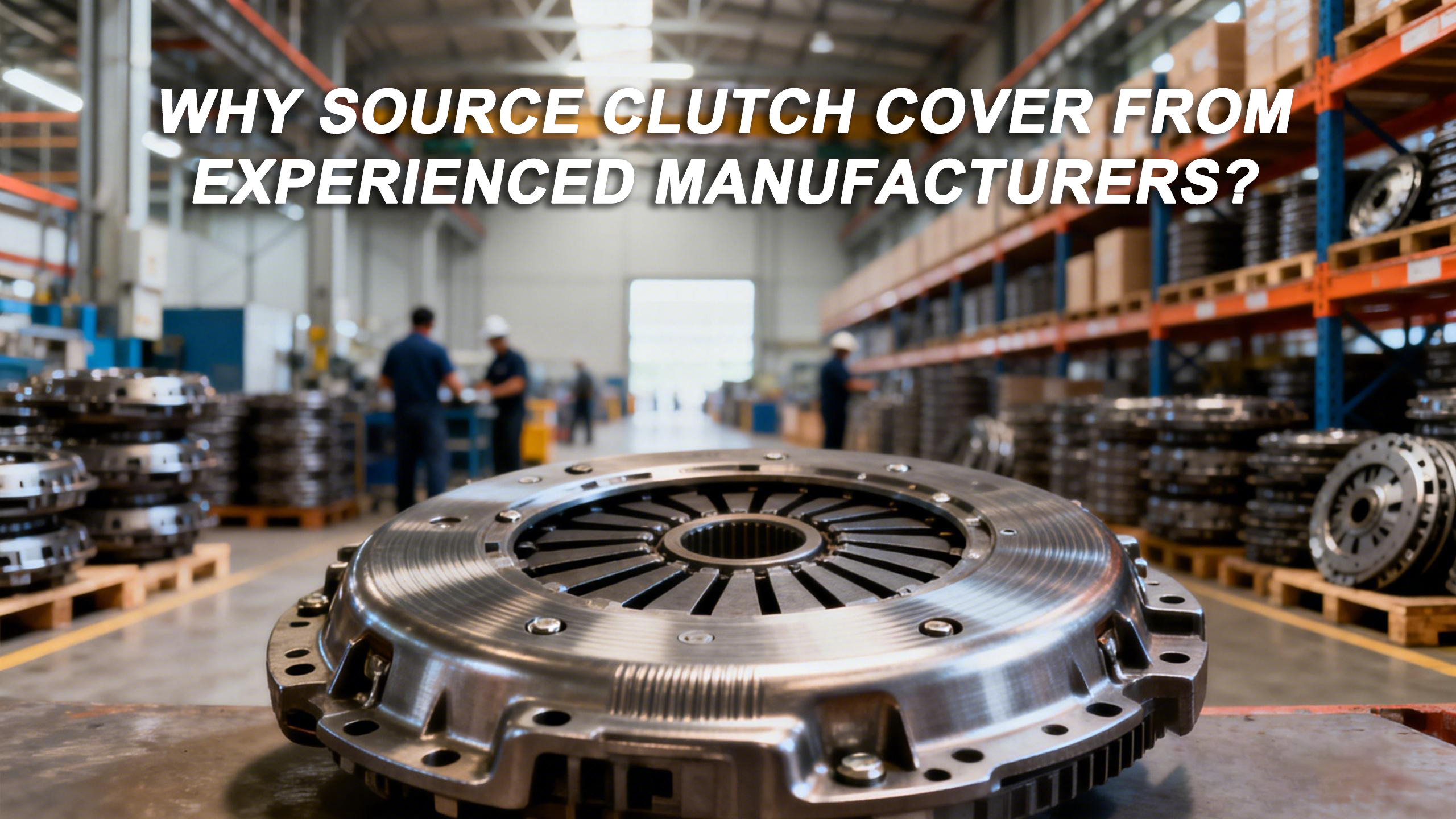
Superior Quality and Reliability Through Proven Manufacturing Expertise
Tight Tolerance Control and High Yield Rates from Decades of Process Refinement
Clutch cover makers who've been around for years manage to hit remarkable dimensional accuracy, keeping things tight at plus or minus 0.1 mm on important parts such as where the pressure plate mounts. They get this kind of consistency because they've fine tuned their stamping dies over time and monitor stress levels as they form parts. The old guard production crews actually use these SPC dashboards daily to spot tiny measurement issues before they become problems. Their shops typically see about 98.5% good parts right off the line, which cuts down scrap materials by roughly 22% when compared to companies just starting out. For those manufacturers that have specialized for three decades or more, there's about 35% less need for fixing dimensional errors. That means quicker turnaround times and clutches that perform reliably even when subjected to really high torque situations.
Reduced Field Failures: Evidence from OEM Audit Reports (2020–2023)
Looking at OEM audit reports from 2020 through 2023 tells us something interesting about clutch covers made by established manufacturers. These parts show around 40 percent fewer failures in real world conditions compared to what we typically see across the industry. Why does this happen? Well, many of these companies have invested heavily in special labs where they recreate failure modes. Engineers there basically fast forward time, testing how materials hold up over what would normally take decades of use, all within just over 500 thermal cycles. The improvements we see come from actual production testing too. Take those rib patterns on the covers for instance. When properly designed, they stop stress fractures before they start. This kind of engineering cuts down on problems like worn out springs and warped covers by nearly two thirds according to some tests. Trucking companies tell similar stories. They're seeing roughly 25% less unexpected downtime when their vehicles run on these quality parts. And don't forget about safety standards either. Independent checks reveal that experienced manufacturers maintain an impressive 0.18% defect rate in critical safety areas. That's not just numbers on paper it shows why sticking with proven suppliers makes such a difference in keeping systems running smoothly for years.
Precision Clutch Cover Production: From Stamping to Diaphragm Spring Calibration
Staged Die-Forming and Real-Time Strain Monitoring in Press Operations
Today's clutch cover manufacturing relies on multi stage progressive dies that handle complex shapes by performing cutting, bending and punching tasks at different stations along the line. These processes maintain pretty consistent dimensions within about half a millimeter tolerance even when running thousands of parts. The real magic happens with real time strain monitoring systems that combine laser sensors with smart algorithms to watch how materials deform during pressing. When these systems detect issues, they automatically adjust the pressure applied to avoid those tiny cracks that can form in areas where stress builds up. Because of this level of control, most manufacturers report scrap rates staying well under 2 percent. Parts also hold their shape much better under intense stamping forces around 1200 tons. This means no more warping problems at those tricky release finger contact points which were actually one of the biggest headaches for factories not using these monitoring technologies.
Statistical Process Control for Diaphragm Spring Flatness (±0.08 mm)
When it comes to diaphragm springs, manufacturers run them through strict flatness checks using those fancy coordinate measuring machines we call CMMs. The process involves automated SPC charts that keep an eye on any measurements going outside the ±0.08 mm tolerance during different temperature cycles. Most factories check one out of every fifty units for spring rate performance between 20 degrees Celsius and all the way up to 150 degrees. They look at how flatness variations affect how smoothly the clutch engages when put under real world conditions. What happens next is pretty interesting too. Laser scanning captures detailed flatness data which gets fed right back into these closed loop calibration systems. These systems then tweak the spring seat machining down to tiny 0.01 mm adjustments. This attention to detail makes sure torque gets transmitted evenly throughout the system and stops any unwanted slippage that could be dangerous in critical safety applications.
Material Integrity and Heat Treatment Assurance for Long-Term Clutch Cover Performance
ASTM A681 Compliance Verification for 51CrV4 Steel Billets
Checking if 51CrV4 steel billets meet ASTM A681 standards really matters when it comes to how long clutch covers will last. According to the specs, there are tight requirements for the chemical makeup of these materials. We need around 0.80 to 1.10 percent chromium, about 0.10 to 0.20 percent vanadium, and between 0.47 and 0.55 percent carbon content. Grain structure and how well the metal can be hardened also fall under these regulations. Getting all these details right stops tiny cracks from forming when the parts experience repeated stress cycles. After confirming compliance, proper quenching followed by tempering treatments helps boost tensile strength to somewhere between 1,500 and 1,800 MPa without making the material too brittle. Manufacturers who follow this metallurgical approach see roughly 40% less wear on clutch components subjected to intense heat conditions, which means their products stay functional much longer in actual applications.
Rigorous Functional Validation Ensures Safety-Critical Clutch Cover Readiness
Dynamic Torque-Release Curve Mapping Under Simulated Thermal Cycling
To check if clutch covers work properly, manufacturers run tests where they map out how torque is released during extreme temperature changes from minus 40 degrees Celsius all the way up to 120 degrees. These tests simulate what happens in actual driving conditions when temperatures fluctuate wildly. They measure things like how consistently the clutch engages and at what point it starts slipping. Looking at these torque patterns helps engineers spot signs of early wear before parts fail completely. This prevents problems like cars stalling unexpectedly or clutches dragging when they shouldn't. The whole process makes sure products meet important safety standards set by ISO 26262 for automotive components. According to recent data from SAE International in 2023, this kind of thorough testing cuts down on warranty claims by about 18 percent. So basically, clutch covers that pass these rigorous tests tend to perform reliably over time instead of giving trouble after just a few months on the road.
FAQs
What are the advantages of using experienced clutch cover manufacturers?
Experienced manufacturers maintain high dimensional accuracy and reduced scrap rates, offering reliable products with less need for adjustments or fixes.
How do manufacturers reduce failure rates in clutch covers?
They invest in labs to simulate failure modes, allowing them to develop parts that undergo less stress and maintain integrity over time, reducing failures by about 40%.
What technological advancements assist in clutch cover production?
Advanced technologies like real-time strain monitoring and SPC charts help maintain consistency, reduce defects, and lower scrap rates.
What role does material compliance play in clutch cover durability?
Compliance with standards like ASTM A681 ensures materials are robust, reducing wear and prolonging the functional life of clutch covers.
How important is functional validation in clutch cover manufacturing?
Rigorous testing and validation under various conditions ensure clutch covers meet safety standards and function reliably over time, reducing warranty claims.
Table of Contents
- Superior Quality and Reliability Through Proven Manufacturing Expertise
- Precision Clutch Cover Production: From Stamping to Diaphragm Spring Calibration
- Material Integrity and Heat Treatment Assurance for Long-Term Clutch Cover Performance
- Rigorous Functional Validation Ensures Safety-Critical Clutch Cover Readiness
-
FAQs
- What are the advantages of using experienced clutch cover manufacturers?
- How do manufacturers reduce failure rates in clutch covers?
- What technological advancements assist in clutch cover production?
- What role does material compliance play in clutch cover durability?
- How important is functional validation in clutch cover manufacturing?