
 EN
EN



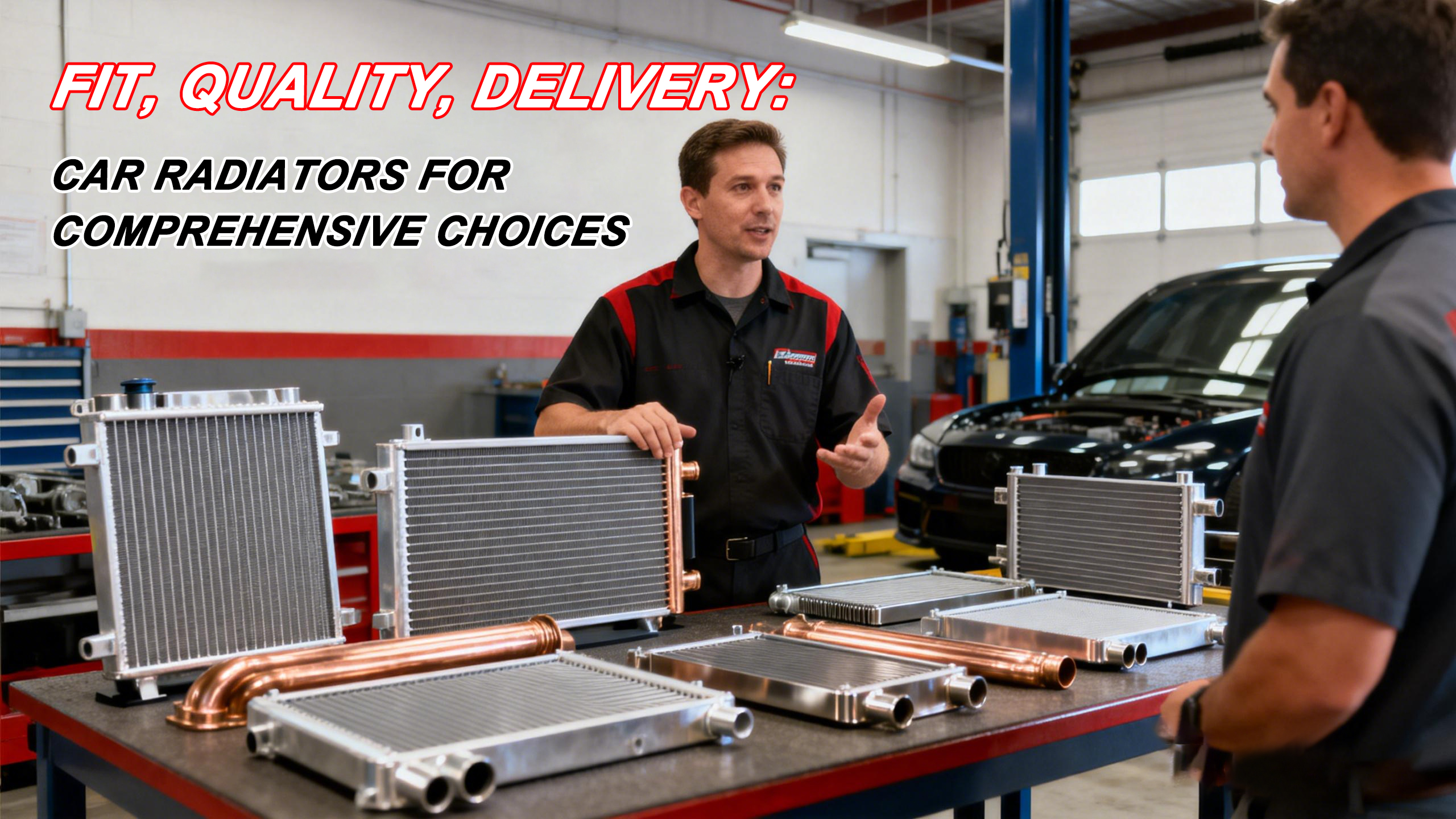
Car Radiator Fitment: Ensuring Precise Vehicle Compatibility
Matching by Make, Model, Year, and Engine Configuration
Getting the right car radiator depends on checking four key specs before buying anything: what kind of car it is, when it was made, which engine it has under the hood, and how that engine is set up. Take the Ford F-150 as an example. A radiator built for the 2020 model with the 3.5L EcoBoost just won't work in the newer 2022 version that comes with the bigger 5.0L V8 engine. The core size, where the hoses connect, and how everything mounts to the frame are all different between these models. Sometimes even small changes matter too. If there's a difference of just 0.2 liters in engine displacement, that can throw off hose placement, mess with bracket alignment, and leave no room for the fan shroud. Don't forget about transmission either. Whether automatic or manual makes a real difference in how coolant lines get connected and where things actually attach. Mechanics see this problem all the time. According to shop records, around 37% of cooling system breakdowns happen because someone installed the wrong part. Leaks, engines running hot, and warranty problems usually follow. Save money and headaches by double checking those specs first.
- Exact production year (accounting for mid-year facelifts or engineering revisions)
- Engine displacement, cylinder count, and factory engine code
- Transmission type and drivetrain layout (e.g., 4WD vs. RWD)
- Presence of factory-installed auxiliary coolers (transmission, oil, or power steering)
OEM vs. Aftermarket Interchangeability and Fit Guarantees
Original equipment manufacturer radiators are all about matching specific vehicle identification numbers down to the last digit. But high quality aftermarket options manage to work across many different models thanks to their flexible designs built for compatibility. Good companies test how these parts fit across multiple model years, sometimes covering anywhere from five to ten years worth of vehicles, using things like adjustable brackets, hose fittings that can be swapped out, and standard connection points on the radiator core itself. This kind of adaptability means mechanics need to double check everything carefully, particularly if dealing with cars that have been modified, commercial fleet versions, or engines tweaked for different regions. Some top brands even promise a fit guarantee these days, supported by fancy computer systems that supposedly cut down on wrong part installations by nearly ninety percent according to that report from Automotive Logistics in 2024. And when someone goes shopping for replacement radiators?
- Prioritise ISO 9001-certified producers with documented OEM-equivalent validation protocols
- Confirm explicit coverage for your vehicle’s engine code—not just model/year
- Review return policies for fit-related issues (not just defects)
- Request vehicle-specific installation guides before purchase
Car Radiator Quality: Materials, Construction, and Trusted Brands
Aluminum vs. Copper-Brass: Thermal Performance, Corrosion Resistance, and Service Life
What material we pick really affects how well something handles heat, how long it lasts, and whether it works with other parts in the system. Aluminum radiators transfer heat much better than copper-brass ones, maybe around half again as fast actually. That makes them great for engines that produce a lot of power or those with turbochargers. They're also lighter which helps reduce what's called unsprung mass, but there's a catch. These aluminum pieces need good protection against corrosion if they're going to sit next to other metals in cooling systems. Copper-brass radiators have built in protection against certain types of corrosion because manufacturers add special inhibitors during production. Most people find these last between eight and twelve years when used in normal weather conditions. The downside? They weigh more, and this extra weight can actually cost about one to two percent in fuel efficiency over time.
| Comparison Factor | Aluminum Radiators | Copper-Brass Radiators |
|---|---|---|
| Thermal Conductivity | Excellent (210 W/mK) | Good (400 W/mK)* |
| Corrosion Resistance | Moderate (requires coatings) | High (natural resistance) |
| Typical Service Life | 5–8 years | 8–12 years |
| Weight Impact | 30–40% lighter | Heavier construction |
*Note: While pure copper has higher conductivity, copper-brass radiators use alloyed brass tubes and copper fins—resulting in effective thermal performance lower than theoretical values but still highly reliable in practice.
Coolant compatibility remains critical: aluminum systems require phosphate-free, silicate-free formulas to prevent scale and pitting; copper-brass systems demand pH-stabilized coolants to inhibit electrolytic breakdown.
Top-Tier Brands: OEM-Spec Testing and Real-World Durability
Quality radiator manufacturers don't just meet minimum OEM standards, they actually follow them closely throughout production. Testing procedures go well beyond basic requirements, including pressure tests above 30 PSI, extreme temperature shifts between minus 40 degrees Celsius and 130 degrees Celsius, plus rigorous salt spray tests lasting over 500 hours straight. Real world results back this up pretty convincingly. Top quality radiators show about 99.5% no-leak performance when tested under controlled conditions, and shops report around 30% fewer warranty issues compared to cheaper knockoffs, based on recent industry studies. The automated brazing technology used these days really makes a difference too. It cuts out all those little inconsistencies that come from manual assembly work, so every radiator has consistent fin spacing and proper air flow characteristics. What we end up with are replacement radiators that last just as long as factory originals sometimes even longer while still fitting perfectly into existing vehicle compartments without needing modifications.
Car Radiator Performance: Cooling Efficiency and System Integration
The main job of a car radiator is getting rid of excess heat efficiently, though how well it works really comes down to three key things working together: what kind of material it's made from, how dense those fins are packed together, and how air flows through the whole thing. Aluminum transfers heat much quicker than traditional copper-brass materials actually about half as fast which makes a big difference when paired with good fin spacing design. That combination alone can boost the surface area where heat escapes by around 40%. But none of this happens in isolation these days. Modern radiators are part of a complex network involving electric fans, thermostats, water pumps, and even the chemical makeup of the coolant itself all working together to keep engines running within their sweet spot temperature range between 195 and 220 degrees Fahrenheit. Electric vehicles take this integration even further, often using one central system to manage everything from battery temperatures to motor cooling and cabin heating/air conditioning at the same time. Going too small on radiator size can lead to power drops of roughly 15 to 20 percent during heavy loads while going overboard adds extra weight and creates drag issues. Studies using computational fluid dynamics have shown that changes in front end design can affect radiator airflow efficiency by as much as 30%, which explains why smart engineering matters so much more than simply making things bigger for proper thermal control across different driving conditions.
Car Radiator Delivery: Lead Times, Logistics, and B2B Supply Reliability
Standard vs. Custom Order Turnaround and Regional Distribution Benchmarks
Consistent delivery times matter a lot when it comes to managing inventory for businesses and keeping repair shops running smoothly. Most standard radiator orders arrive within about 3 to 5 workdays. But if someone needs something special like heavy duty models, ones compatible with hybrids, or those made for fleet vehicles, they should expect around 10 to 14 days since these require extra tools and testing processes. According to recent data from Wunderman Thompson's 2023 Automotive Supply Chain Report, nearly 8 out of 10 B2B customers put real time tracking at or near the top of their list when choosing suppliers these days, especially given all the shipping issues we've been seeing lately. Companies that have set up regional warehouses instead of relying solely on big central distribution centers see significantly faster deliveries too, cutting down travel time by anywhere between 30% and half. When looking at what really matters operationally,
- Logistics transparency: Integrated platforms delivering automated status updates and electronic proof of delivery
- Scalable carrier networks: Partnerships with regional fleets enabling same-day dispatch for urgent repairs
-
Damage mitigation: Reinforced packaging with crush-resistant cores and moisture barriers for fragile cores and delicate tanks
Suppliers with localized warehousing consistently achieve on-time delivery rates above 95%—a critical factor in minimizing downtime across commercial repair workflows.
FAQ Section
What are the key specifications to check when purchasing a car radiator?
Ensure to verify the make, model, year, engine configuration, transmission type, drivetrain layout, and presence of factory-installed auxiliary coolers.
Are there differences between OEM and aftermarket radiators?
Yes, OEM radiators are vehicle-specific, while high-quality aftermarket options are designed for compatibility with various models, offering fit guarantees and flexible designs.
What are the materials used in radiators and their benefits?
Radiators are typically made from aluminum or copper-brass. Aluminum offers better thermal performance and is lighter, while copper-brass provides high corrosion resistance and longer service life.
How do radiator materials affect coolant compatibility?
Aluminum systems require phosphate-free, silicate-free coolants, while copper-brass systems need pH-stabilized coolants to prevent damage.
What affects the delivery time for car radiators?
Standard orders usually deliver in 3-5 days, but custom orders for specific or heavy-duty models may take 10-14 days due to specialized processing requirements.
Table of Contents
- Car Radiator Fitment: Ensuring Precise Vehicle Compatibility
- Car Radiator Quality: Materials, Construction, and Trusted Brands
- Car Radiator Performance: Cooling Efficiency and System Integration
- Car Radiator Delivery: Lead Times, Logistics, and B2B Supply Reliability
-
FAQ Section
- What are the key specifications to check when purchasing a car radiator?
- Are there differences between OEM and aftermarket radiators?
- What are the materials used in radiators and their benefits?
- How do radiator materials affect coolant compatibility?
- What affects the delivery time for car radiators?