
 EN
EN



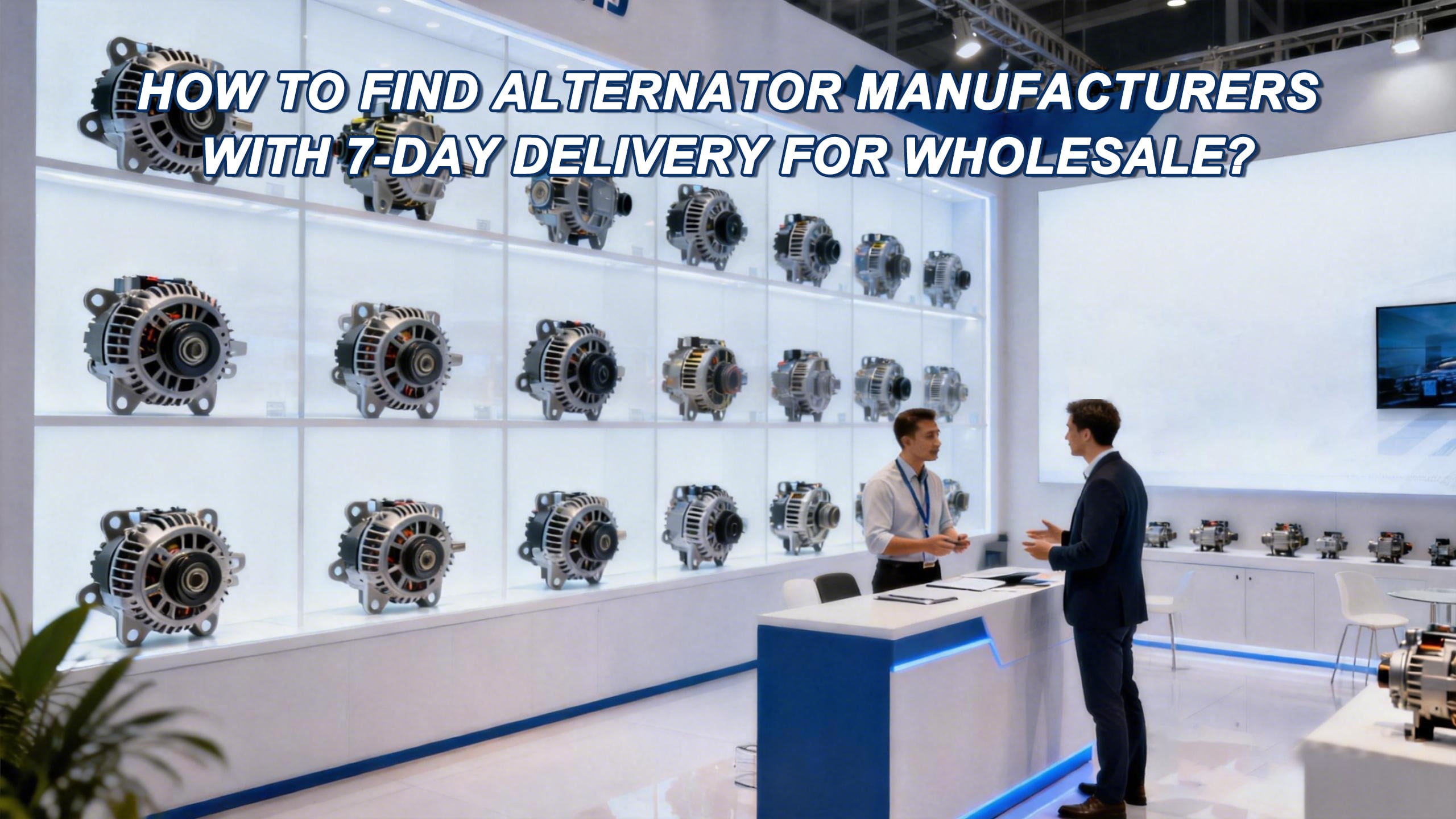
Why 7-Day Alternator Delivery Is Critical for Wholesale Efficiency
Getting alternators delivered quickly has become absolutely essential for wholesale operations dealing with unpredictable supply chains these days. When parts like alternators get delayed, whole fleets come to a grinding halt which causes all sorts of problems downstream. Take a look at what happens to commercial transport companies when they experience downtime - we're talking around $8,200 lost per day just from missed revenue and workers sitting around doing nothing according to Logistics Management's latest report. The numbers get even worse during peak seasons when demand suddenly jumps up. What used to be considered fast shipping becomes something that simply cannot wait anymore.
Cost savings are just part of the story when it comes to faster fulfillment processes. Retailers who can restock quickly actually cut down on warehouse costs by somewhere around 17 to maybe even 23 percent according to Supply Chain Quarterly research. When alternators can be back in stock within seven days instead of waiting weeks, this prevents all sorts of problems down the line. Delayed repairs don't just cause headaches for mechanics they snowball into bigger issues like missed deliveries, costly breach fees from contracts, and customers losing faith in the business altogether. Take emergency responders or trucking companies for instance where every hour a vehicle sits idle matters. For these industries, having parts available within a week versus months isn't just convenient it's literally a matter of keeping operations running smoothly without risking lives or breaking service agreements.
Geographic proximity alone cannot guarantee speed; true efficiency emerges from integrated manufacturing-to-shipping workflows. Suppliers synchronizing production schedules with regional logistics hubs achieve 92% on-time delivery rates versus 64% for fragmented operations (Industrial Distribution Report 2023). This operational cohesion—not just physical closeness—ensures wholesalers avoid costly production halts and maintain service continuity.
How to Identify Verified Alternator Manufacturers Offering True 7-Day Delivery
Using Real-Time B2B Platforms to Filter by Lead Time, Certifications, and Production Capacity
Top B2B procurement sites let users filter alternator suppliers based on confirmed lead times, ISO 9001 status, and how much they can actually produce. Most savvy buyers know to focus on manufacturers whose delivery claims have been checked by the platform itself. Why? Because studies show around three-quarters of wholesale customers run into problems where what suppliers promise doesn't match reality when it comes to timing. When looking at production numbers, always compare them directly to what you need to order. If someone says they can deliver in seven days but their system shows a 60-day wait list, something isn't adding up. And don't forget about ISO 14001 certification either. That one tells a lot about whether a company maintains environmental standards consistently across their operations.
Geographic and Logistical Proxies: Why Local Manufacturing Hubs and In-Stock Inventory Enable Speed
Manufacturers situated close to regional logistics hubs typically cut down on shipping times by around three to five days compared to those relying on overseas suppliers. Look for production facilities positioned within industrial areas adjacent to significant ports or transportation routes. To check what's actually available right now, companies can use online platforms to analyze stock levels or send out test requests for quotations. Suppliers maintaining over 90 percent success rate when fulfilling orders marked as ready to ship usually have well-organized warehouse operations. The data shows domestic producers who maintain local distribution points manage to deliver parts within seven days approximately four times more often than businesses dependent on imported goods.
Validating 7-Day Alternator Delivery Claims Before Wholesale Commitment
Auditing Supplier Performance: Cross-Checking Order History, Shipment Tracking, and Customer Reviews
To really check if 7-day delivery is happening, we need to do more than just look at what contracts say. We should compare what suppliers actually sent versus what gets tracked during shipping. When there are gaps longer than two days between orders and actual shipments, studies show around 67 percent more defects show up in bulk shipments according to SupplyChainInsights from last year. Looking through customer feedback matters too. Pay attention to comments where people mention things like "took forever" or "delayed again." If multiple customers complain about damaged boxes or problems getting through customs, that usually means something's wrong with how goods move through the system. Those third-party logistics platforms can be telling as well. If warehouses take over a day to process items, then all those fast delivery promises probably aren't true. For serious checks, ask for FAT documentation that shows machines work properly before they leave the factory floor. This helps avoid situations where production lines stop because replacement parts for generators arrive late.
FAQs
What are the typical costs associated with delayed alternator delivery?
Delayed alternator delivery can result in substantial financial losses, including missed revenue, idle workers, costly breach fees, and loss of customer trust.
Why is geographic proximity important for delivery speed?
Geographic proximity reduces shipping times and costs, but true efficiency comes from synchronized manufacturing-to-shipping workflows, not just physical closeness.
How can I ensure a supplier's 7-day delivery claim is accurate?
To validate claims, audit supplier performance through order histories, shipment tracking, customer reviews, and confirm certifications.