
 EN
EN


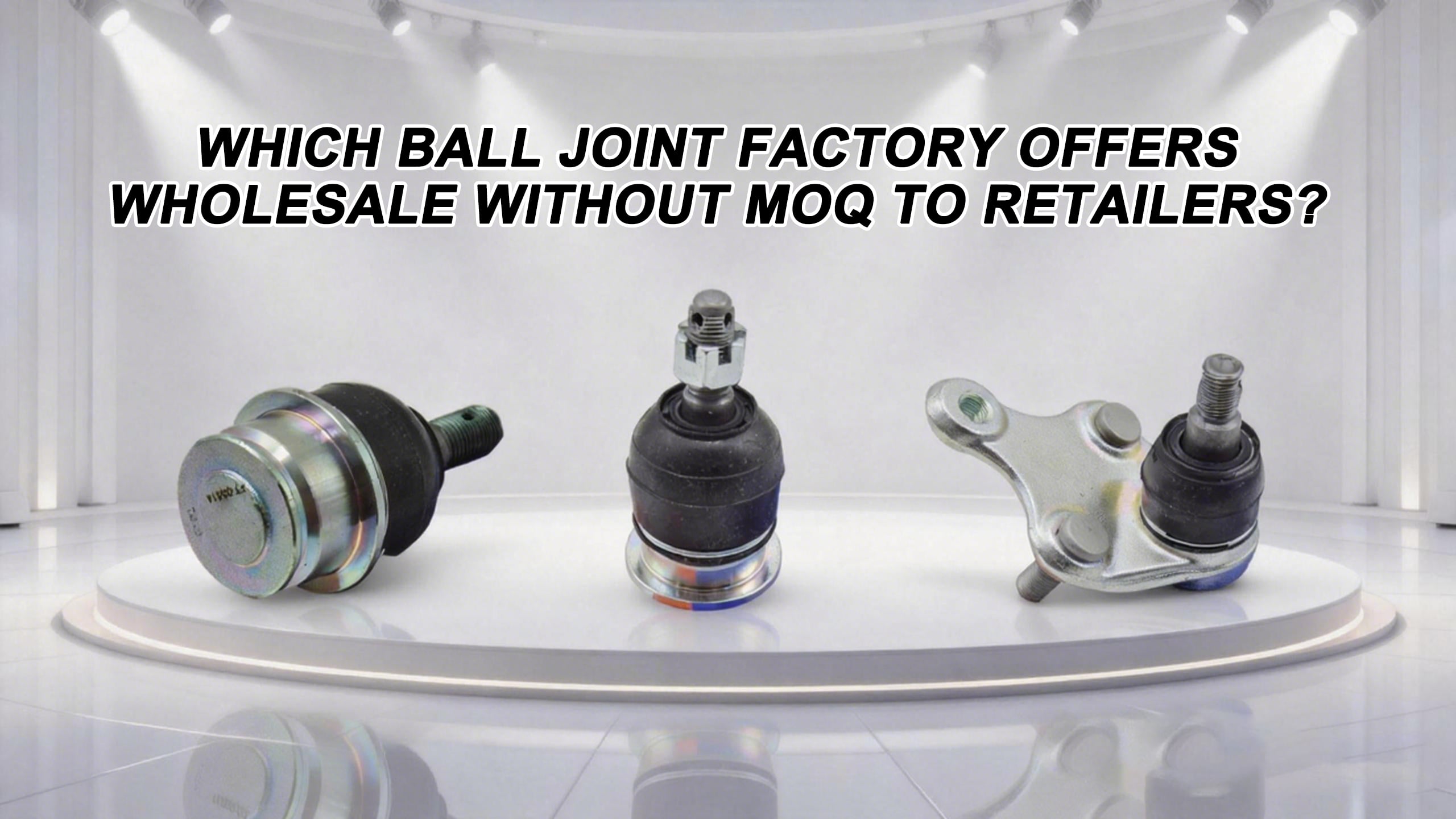
Why MOQ-Free Ball Joint Wholesale Matters for Retailers
How Zero-MOQ Models Reduce Inventory Risk and Improve Cash Flow
The zero MOQ wholesale approach gets rid of those annoying bulk purchase requirements, so retailers can actually buy just what they need when they need it. According to Supply Chain Analytics Review from last year, this cuts down on inventory storage expenses somewhere between 30 and 50 percent while keeping shelves free from obsolete products. That matters a lot these days as car manufacturers keep changing their designs so frequently. When money isn't stuck in warehouse space for parts nobody wants to buy, store owners have much better control over their day to day finances. Ordering smaller quantities more often means businesses can react quickly when there's suddenly high demand for things like SUV suspension components or when certain areas experience spikes in fleet maintenance needs, all without worrying about ending up with too much stock. Independent shops particularly benefit from this system because it allows them to run slimmer operations and redirect savings toward improving customer interactions, boosting online presence through social media campaigns, or simply strengthening their reputation within the local community.
The Competitive Edge: Scaling Gradually with Authentic Ball Joint Supply
Getting parts straight from MOQ free ball joint manufacturers gives access to real OEM quality stuff without those middlemen price hikes or compromised quality issues. The difference is noticeable too - cars perform better reliably and there are way fewer warranty headaches. Some numbers back this up actually, around 22% fewer returns reported by shops that stick with factory sourced joints according to the Automotive Aftermarket Report from last year. For retailers wanting to test the waters first, it works great ordering small batches of specialty items like heavy duty variants or ones made specifically for electric vehicles. Then expand inventory based on actual customer interest rather than guessing. No need for big minimum orders either so stores can mix things up their product lines with high end rust proof models next to budget friendly alternatives. This kind of freedom helps stand out in crowded marketplaces while keeping supplies flowing smoothly even when materials get scarce or shipping gets messed up somewhere.
How to Identify a Genuine Ball Joint Factory (Not a Trading Company)
Knowing the difference between genuine manufacturers and middlemen matters a lot more than just saving money on upfront costs. It actually affects how reliable our parts will be over time and whether we can count on consistent supplies when needed. Real factories have their hands directly in all the important stuff like metal work, heat treatments, sealing polymers properly, and putting everything together at the end. These are the actual steps that determine how long those ball joints last and if they're safe to use. Some trading firms might promise no minimum order quantities, but what they don't tell us is that these companies create confusion, slow things down, and tack on extra costs that eat into both our profits and confidence in the product. When looking for partners, it's smarter to go with those who can show us where their factory is located and let us see how they actually make what they sell.
Verifying Factory Credentials: ISO/TS 16949, Production Floor Evidence, and Direct Export Records
Start by checking if they have IATF 16949 certification, which is now the go-to standard for automotive manufacturing worldwide since it replaced ISO/TS 16949 back in 2016. This certification basically proves that their processes are tightly controlled, everything can be traced back, and there's ongoing improvements happening specifically for making those ball joints. When looking at production facilities, ask for actual photos with timestamps or better yet, arrange a live tour so you can see things like CNC machines cutting parts, forging presses shaping metal, heat treatment ovens working their magic, and finally where those ball joints get assembled. Legit manufacturers don't hide behind vague descriptions but show off their operations openly. For export verification, make sure to dig into their business registration papers, shipping documents where the factory itself appears as the exporter on bills of lading, and actual customs records instead of relying on third party traders. Industry numbers from last year tell us something interesting: nearly seven out of ten suppliers who claimed they had no minimum order requirements actually didn't pass basic verification tests when auditors checked them out.
Red Flags That Signal a Middleman–Even When 'MOQ-Free' Is Advertised
When MOQ requirements jump around - offering nothing on basic products but demanding tons for premium items - this usually means the company is after profit margins rather than real manufacturing capabilities. If someone gives vague responses when asked about specifics like how they treat SAE 1045 steel, what their PTFE liners measure up to, or their approach to load testing, that's another warning sign. Real factories have engineers who actually know these things inside out. Payment issues tell similar stories too. Watch out if they want money sent to some random company name, won't put pen to paper on a proper supply contract, or can't connect their bank info with the factory registration documents. A quick check at the official business registry will often reveal surprising truths about who really owns what.
Top Verified Ball Joint Factories Offering True MOQ-Free Wholesale
Guangdong OEM/ODM Supplier: Tier-1 Compliance, Full Ball Joint Range, and Tiered MOQ-Free Entry
Take a manufacturer based in Guangdong that's actually doing MOQ-free wholesale right. They've got IATF 16949 certification, run everything themselves from start to finish, and their operations are completely open for inspection. The plant makes around 50 different types of ball joints these days - think sealed versions, ones that need greasing, those designed for high angles, and even load rated models suitable for all sorts of vehicles including passenger cars, trucks, and specialty builds. Instead of forcing everyone to buy minimum quantities upfront, they created something smarter: new retailers can start ordering just 1 to 5 pieces per product code first. Once they see how things sell in the market, they can ramp up production accordingly. Third party auditors have checked this setup thoroughly and confirmed that products leave directly from the factory under its own export license, so there's no middleman messing with quality control somewhere along the line. What does this mean practically? Retailers save between roughly 30% and maybe even 45% on their initial stock compared to old school wholesale deals, all while still getting parts that match original equipment standards exactly. Small and medium sized shops benefit especially well since they get decent prices on genuine components without having to guess if customers will actually want them later.
FAQ
What does MOQ-free wholesale mean?
MOQ-free wholesale means that retailers can purchase products without having to meet a minimum order quantity. This allows for more flexibility and reduces the financial risk associated with holding large amounts of inventory.
Why is choosing a genuine manufacturer over a trading company important?
Choosing a genuine manufacturer ensures that you are getting reliable and high-quality products directly from the source, which can lead to better performance and fewer warranty issues. Trading companies may add costs and complicate the supply chain.
What should retailers look for in a ball joint manufacturer?
Retailers should verify that manufacturers have IATF 16949 certification, offer evidence of their production capabilities with photos or tours, and are listed as the exporter on shipping documents. This ensures they are genuine and capable of providing quality products consistently.