
 EN
EN



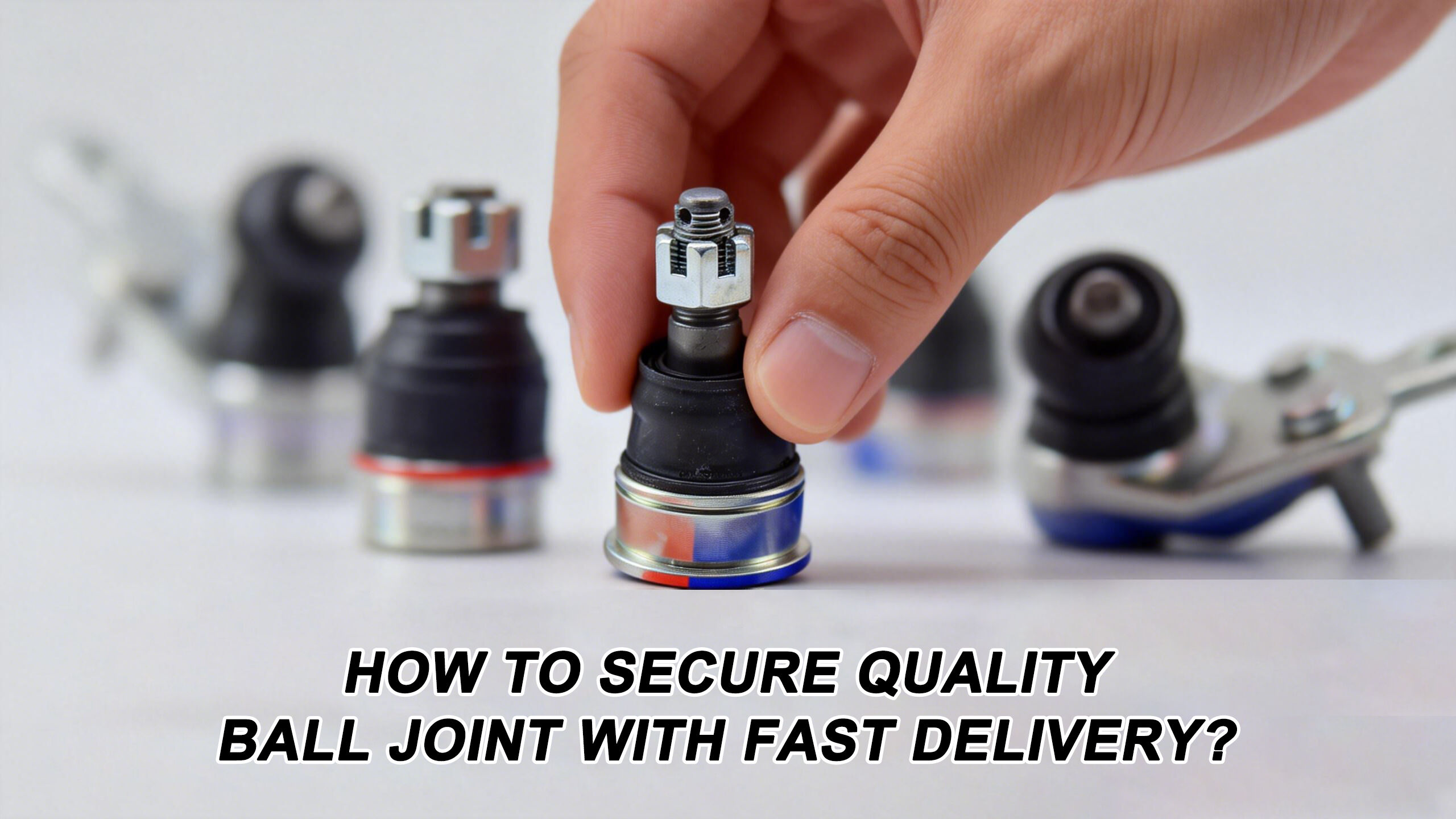
Match Ball Joint Specifications to Your Vehicle and Use Case
OEM Fitment, Load Ratings, and Axle-Specific Compatibility
Picking out the right ball joint begins by checking if it fits what came from the factory originally. Make sure to match up the car's brand, model number, and manufacturing year so everything lines up dimensionally speaking. The load rating needs to match up with the vehicle's Gross Axle Weight Rating (GAWR) just to keep things balanced when carrying weight around. Most small cars need something rated below 3,500 pounds, whereas big trucks usually need parts that can handle over 6,000 pounds. What kind of axle setup does the vehicle have? If it's an I-beam system versus independent suspension makes a difference too because mismatched components will wear down faster and mess with how the car handles on the road. And don't forget those little details either. Always double check the taper angle and stud size measurements against what the manufacturer shows in their diagrams before installation.
Standard vs. Heavy-Duty Ball Joint: Aligning Duty Cycle with Suspension Demands
Choose based on real-world operational demands—not just specs. Standard ball joints suit daily commuting on smooth pavement, balancing cost and performance. Heavy-duty variants—forged from high-strength alloys like SAE 4340 chrome-molybdenum steel—are engineered for extreme conditions:
| Factor | Standard Ball Joint | Heavy-Duty Ball Joint |
|---|---|---|
| Load Tolerance | ≤ 4,500 lbs | ≥ 7,000 lbs |
| Use Case | Urban driving, light towing | Off-roading, commercial hauling |
| Dust Boot Material | Nitrile rubber | Thermoplastic polyurethane (TPU) |
| Fatigue Life | 100,000 miles | 200,000+ miles |
Independent testing shows heavy-duty designs reduce failure rates by 70% in high-impact environments. Match your selection to annual mileage, terrain severity, and payload frequency to maximize suspension life and safety.
Assess Ball Joint Quality Beyond Surface Specs
Material Science Matters: Steel Grade, Dust Boot Resilience, and Sealing Integrity
What makes components reliable isn't just about how much weight they can handle but also what materials go into them and how well they seal against contaminants. Take high grade alloys for example SAE 1541 can take about 30 percent more shear stress compared to regular carbon steel according to those ASTM F1829 tests we all know about. Then there's the dust boot material which matters just as much. Polyurethane stays flexible even when temperatures drop to minus 40 degrees Fahrenheit something nitrile rubber simply cannot do. And speaking of durability polyurethane lasts roughly twice longer before showing signs of ozone damage based on those accelerated aging tests manufacturers run. The importance of good sealing cannot be overstated either. Components with double lip seals plus spring retainers see around 89% less grease contamination problems compared to older single seal designs. This kind of protection really stops failures before they happen saving both time and money down the line.
Validation Over Claims: CNC Precision, Dynamic Load Testing, and Real-World Fatigue Resistance
Trust only what's verified—not advertised. Rigorous validation includes:
- CNC precision tolerances (±0.0005") to eliminate misalignment-induced wear
- Dynamic load testing at 1.5x GVWR to simulate pothole impacts and curb strikes
- Real-world fatigue resistance protocols exceeding SAE J313 with 500,000+ stress cycles
Field data confirms a 92% correlation between dynamic test failures and real-world warranty claims. Prioritize suppliers that publicly share third-party validation results—not just marketing language.
Select a Trusted Ball Joint Supplier for Reliable Fast Delivery
Brand Comparison: OMT, Moog, and Mevotech — Failure Rates, Warranty Terms, and Service Consistency
Looking at high quality brands such as OMT, Moog, and Mevotech requires looking beyond their names on paper. The real test comes from what happens after installation. According to industry standards, top manufacturers keep their initial failure rate under around 1.5%. These companies typically have factories certified under ISO/TS 16949 standards, which actually cuts down installation problems by roughly 30%. What about warranties? Better brands usually provide solid 3 to 5 year guarantees without any hidden mileage restrictions. Cheaper options tend to come with all sorts of limitations though. Reliable service makes all the difference too. Brands that can deliver parts within a day over 98% of the time save everyone headaches when projects are running behind schedule. Nobody wants to wait weeks for replacement parts when deadlines are looming.
E-Commerce Readiness: Guaranteed Shipping Windows, Hassle-Free Returns, and Warranty Activation Support
Fast, predictable delivery requires more than inventory—it demands e-commerce maturity. Look for:
- Guaranteed 24-hour dispatch for in-stock ball joints
- Automated return portals with no restocking fees for defective units
- Digital warranty activation, enabled via mobile upload of installation documentation
Top-tier distributors integrate real-time inventory tracking and automated delivery alerts—cutting procurement delays by up to 40%. Confirm their platforms support direct integration with major fleet and shop management systems for seamless reordering.
FAQ
What factors should I consider when selecting a ball joint for my vehicle?
Consider OEM fitment, load ratings matching your vehicle's GAWR, axle-specific compatibility, and operational demands such as standard or heavy-duty use.
How important is the material used in ball joints?
The material is crucial; high-grade alloys and quality dust boots can greatly enhance durability and performance in extreme temperatures and conditions.
What is the benefit of choosing a ball joint from a trusted supplier?
Trusted suppliers offer lower initial failure rates, better warranties, and quick part delivery, enhancing overall reliability and saving time.