
 EN
EN



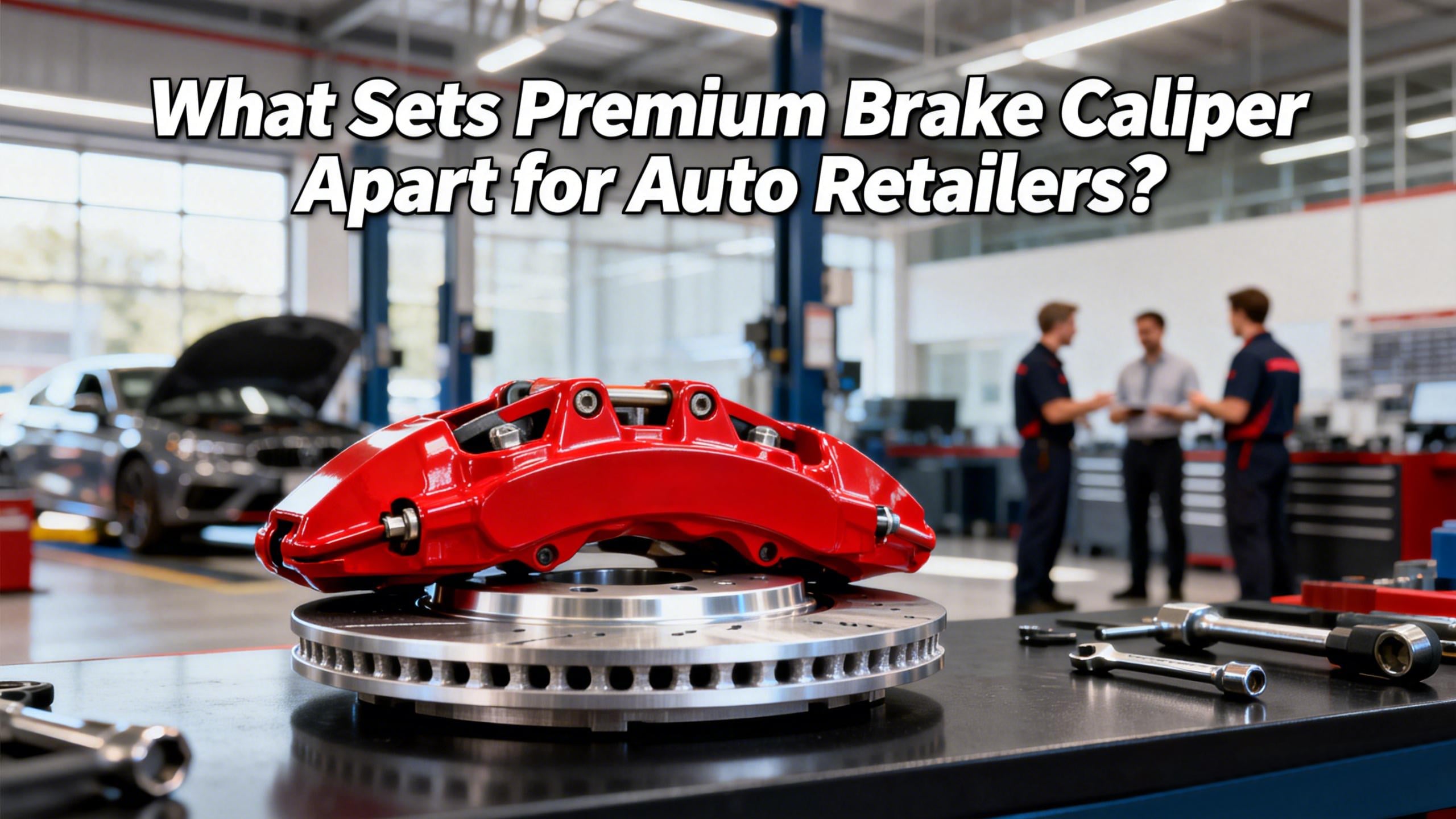
Precision Engineering: Housing Design and Piston Configuration
Differential Bore and Staggered-Piston Configurations for Even Pad Wear
High quality brake calipers incorporate different sized bores and offset pistons to tackle the common problem of uneven pad wear, which is why so many cheaper systems fail early on. When brakes get hot from hard stops, these calipers distribute hydraulic pressure more evenly across the pads, helping them handle the heat better. The bigger pistons at the back of the caliper actually work against pad tapering issues, and the way the pistons move in sequence makes sure the pressure stays balanced all around. Tests have found that this design can make brake pads last about 27% longer on average, plus it helps maintain consistent stopping power around 19% better than standard setups. For car dealerships, this means fewer warranty repairs and less frequent replacements down the road.
Aluminum Casting Tolerances (±0.05mm) vs. Cast Iron: Why Precision Matters in Premium Brake Caliper Performance
Aluminum housings manufactured to ±0.05mm dimensional tolerances—significantly tighter than cast iron’s ±0.2mm standard—deliver measurable performance advantages:
- Thermal stability: Near-net-shape aluminum absorbs 40% less thermal energy per braking cycle, drastically reducing distortion that can trigger brake fluid vaporization
- Weight efficiency: At 55% lighter than equivalent cast iron units, aluminum calipers lower unsprung mass, enhancing suspension responsiveness and ride control
- Corrosion resistance: Precision-machined surfaces eliminate micro-porosity, preventing moisture entrapment and extending service intervals by 2–3 years
These tolerances enable piston-to-bore clearances of ø0.1mm—compared to 0.3mm in cast iron—virtually eliminating knockback and ensuring consistent pedal travel. When paired with high-strength aluminum alloys, such calipers withstand shear forces exceeding 3,500 PSI without deformation, preserving rotor contact integrity during emergency stops.
Thermal Intelligence: Heat Dissipation and Fade Resistance
Swept Area Expansion (+12–18%) and Its Impact on Stop Distance Reduction (SAE J2929 Data)
Boosting rotor swept area between 12 to 18 percent has been shown to cut stopping distances significantly, as the larger surface area allows for better contact with brake pads when slowing down. According to tests following SAE J2929 standards, increasing this area by around 15% actually reduces stopping distance by about 22 feet at 60 mph speeds in controlled environments. These numbers aren't just on paper either. Real drivers benefit from these improvements especially in emergency situations where every foot matters, or when driving through mountain passes where regular brakes tend to overheat quickly and lose effectiveness after prolonged use.
Vented Bridge Design and Thermal Mass Optimization in Aluminum Brake Caliper Housings
Aluminum caliper housings with vented bridge designs can boost airflow by around 40% compared to traditional solid bridges. The specially designed channels create better cooling paths for the brake system without making the housing any weaker. What's really interesting is how they handle heat distribution too. Manufacturers redistribute the material so that areas prone to overheating get extra reinforcement, while other parts where heat isn't as much of a problem become thinner. This clever approach cuts down on cooling time by approximately 30% after multiple hard stops. Drivers will notice longer lasting performance before brake fade sets in, plus the brake pedal feels more responsive even during intense driving conditions like track days or mountain descents.
Material Science & Corrosion Resilience: Long-Term Reliability for Retail Confidence
Hard-Anodized Aluminum Housings vs. Zinc-Plated Steel Pins: 3– Salt-Spray Resistance (ASTM B117)
Hard-anodized aluminum housings deliver industry-leading corrosion resilience—demonstrating three times the salt-spray resistance of zinc-plated steel piston pins in ASTM B117 testing. This durability stems from aluminum’s self-repairing oxide layer, which prevents pitting, galvanic degradation, and functional impairment in coastal, de-iced, or high-humidity environments. Key outcomes include:
- Extended service life with minimal risk of seizure or slide binding
- Lower lifetime ownership costs due to fewer replacements and reduced warranty exposure
- Uninterrupted caliper mobility and consistent braking response over time
Material selection here is not just about longevity—it’s a direct safeguard against safety-critical failures linked to corrosion-induced mechanical compromise.
Retail-Ready Value: How Premium Brake Caliper Features Drive Margin and Trust
For auto retailers, investing in premium brake calipers actually pays off in tangible ways. When manufacturers use precision machined aluminum parts along with better heat management systems and materials that resist rust, these components last longer before needing replacement or generating warranty issues. Some studies of fleet operations show around a third reduction in maintenance expenses when switching to these upgraded parts. The brakes work reliably whether it's freezing cold or sweltering hot outside, which means fewer customers coming back for repeat fixes that hurt their trust in the shop. Auto stores see bigger profits because they need to stock fewer different parts for various weather conditions, plus vehicles require servicing less frequently. Plus, having products certified by organizations like SAE gives them a competitive edge in the marketplace. At the end of the day, durable engineering isn't just about quality anymore it's become a real money maker for dealerships looking to build loyal customer bases while staying ahead of competitors.
FAQ
What is the significance of staggered-piston configurations in brake calipers?
Staggered-piston configurations in brake calipers help distribute hydraulic pressure more evenly across the brake pads, reducing uneven wear and increasing the lifespan and performance of the brake system.
Why are aluminum brake calipers preferred over cast iron?
Aluminum brake calipers are preferred because they offer better thermal stability, weigh significantly less (lowering unsprung mass for better suspension responsiveness), and provide superior corrosion resistance compared to cast iron calipers.
How do expanded rotor swept areas impact braking?
Expanded rotor swept areas increase the surface contact between rotors and brake pads, leading to significant reductions in stopping distances and improved brake performance, particularly in emergency situations.
What is the benefit of a vented bridge design in brake calipers?
Vented bridge designs in brake calipers improve airflow, enhancing the brake system's cooling efficiency and overall performance, leading to reduced brake fade and improved responsiveness during intense driving conditions.