
 EN
EN


Why Stabilizer Link Technical Support Matters for Suspension Performance
How stabilizer links maintain roll stiffness and influence handling dynamics
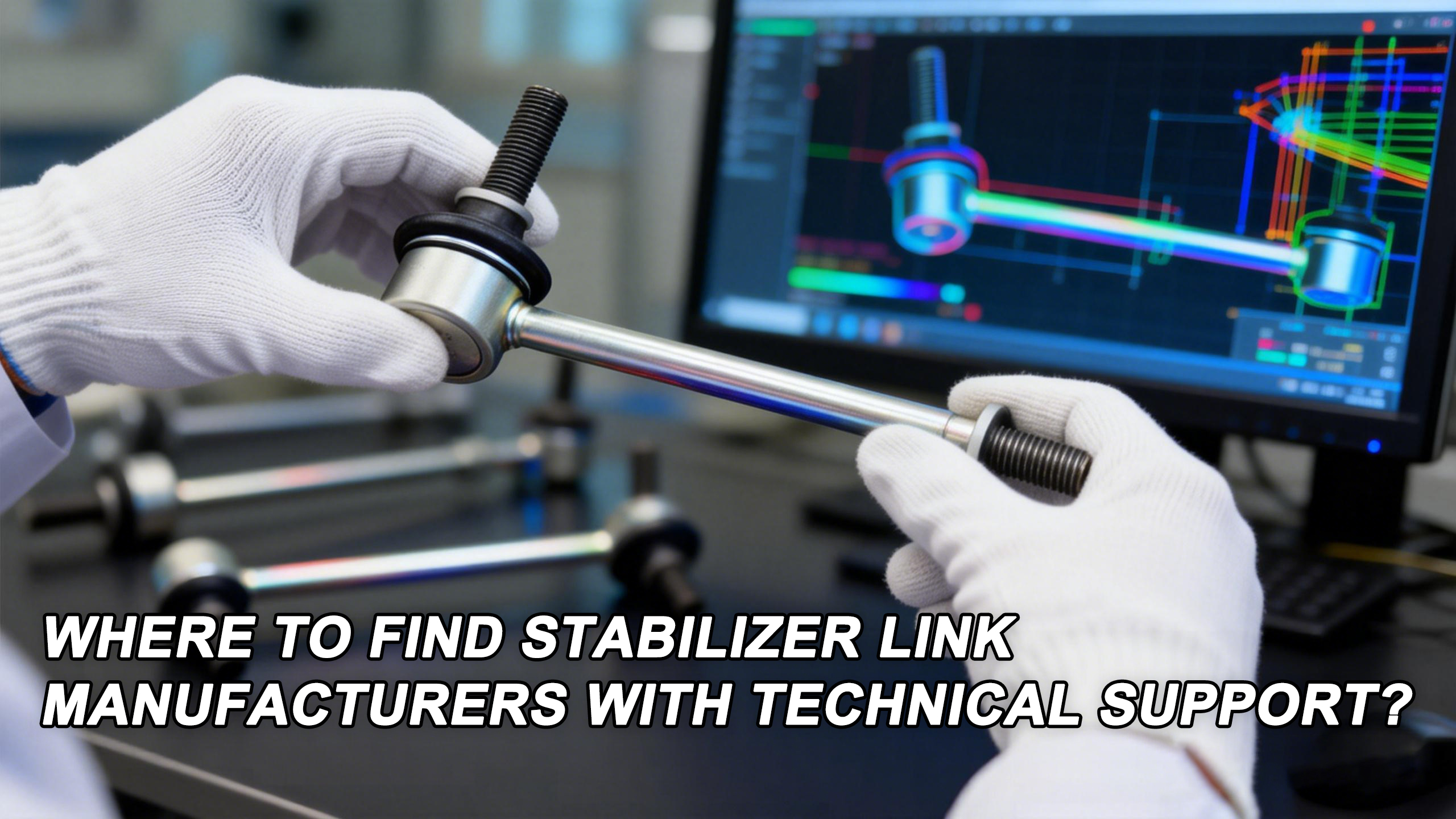
The stabilizer links are what connects those sway bars to the suspension arms, basically transferring twisting forces so the car doesn't roll too much when taking corners. What this does is keep each wheel moving independently while cutting down on body roll by somewhere around 40%. That means better grip because the tires stay planted on the road surface. When driving enthusiasts talk about handling characteristics, these components play a big role. They make steering feel more responsive when changing lanes suddenly, help distribute weight evenly during hard cornering, and maintain stability through the middle of turns regardless of how fast someone is going. For everyday drivers, it just makes the whole experience smoother and safer.
Consequences of inadequate support: misalignment, premature failure, and compromised tuning accuracy
Many manufacturers who don't have proper technical setups end up going with general installation instructions, which leads to three major problems down the road. When components aren't aligned properly, it creates uneven wear on bushings and speeds up joint fatigue. Specialized laser alignment tools are needed to spot these issues before they get worse. Getting preload wrong means less roll stiffness overall, and drivers might notice strange oversteer or understeer effects when pushing through tight corners. The third problem comes from material fatigue that builds up over time, eventually causing joints to separate suddenly at stress points. Most people won't know anything is wrong until something breaks completely. Without knowing exactly what torque specs work for each vehicle type and validating suspension geometry, trying to tune these systems turns into pure guesswork. A recent report from one of the top suspension research groups showed that about two thirds of all handling complaints after performance upgrades stem from improper stabilizer link installations.
Key Indicators of Genuine Stabilizer Link Technical Support
Essential support deliverables: vehicle-specific torque specs, fitment validation reports, and suspension geometry guidance
Good quality manufacturers typically include three essential technical guides when they ship stabilizer links. The first is vehicle specific torque specs which tell installers exactly how tight things need to be. Go overboard here and threads get stripped, but leave it too loose and vibrations will work their way into the system until everything comes undone. Then there are fitment reports that check if everything actually fits where it needs to go - mounting points, clearance issues, how much space the suspension has to move around. Without these reports, failure rates jump by about 37% according to SAE research last year. Lastly, proper suspension geometry matters a lot too. Getting alignment right during installation prevents bushings from wearing out faster and stops uneven loading problems down the road. When all these papers come together, what starts as just another part becomes something much more precise and reliable for serious mechanics.
Warning signs: generic documentation, absence of engineering contact channels, and unverified 'OEM-equivalent' claims
When looking at warning signs, one major issue is when installation guides get copied and pasted across different vehicle platforms without considering how weight sits differently, how stiff the frame actually is, or how suspension components move during operation. Most folks don't realize this but companies that skip having real engineers available for help tend to see problems pop up later with wheel alignment issues once everything gets put together. And let's talk about those "OEM equivalent" labels we see everywhere these days. If there's no actual third party testing behind them, expect around 15 percent more warranty work down the road according to industry data. Smart buyers should look for companies that can show proper certification for their specific applications, have clear documentation about how they test their products, and maintain good lines of communication with customers beyond just pretty brochures and fancy website copy.
Top Stabilizer Link Manufacturers Delivering Verified Technical Support
SLRspeed: Application-driven engineering with CAD-modeled kinematics and lowered-vehicle geometry reports
SLRspeed employs computer aided design simulations to see what happens when stabilizer links face actual road conditions, different angles, and various suspension setups including cars that have been lowered. The detailed reports they generate look at things like where the roll center moves, changes in anti-squat characteristics, and how much the bushings actually deflect before problems start. This helps mechanics spot potential issues before they become big headaches, especially when there are uneven loads on different parts of the suspension. Shops that work with these verified numbers tend to get about 30 percent fewer complaints about parts wearing out too soon because the forces aren't distributed evenly across components anymore. When dealing with completely custom builds or heavily modified suspensions, SLRspeed will actually talk directly with engineers to make sure everything fits together properly without causing unexpected problems down the road.
Hotchkis & Whiteline: Tiered technical access–public specs vs. dealer- and installer-exclusive tuning resources
Hotchkis & Whiteline have set up what we might call a two level support system. At the basic level, anyone can access public databases containing standard torque specifications and fitment dimensions. But when installers get certified, they unlock special tools such as dynamic load calculators and material fatigue analyzers. The premium tier goes even further with things like sway bar compatibility charts and specific shock valving suggestions these are really important for keeping those stabilizer links working properly during aggressive driving conditions. Shops with ASE certification see around 22 percent fewer tuning mistakes than those relying on generic manuals. Most mechanics point to factors like where the differential mounts and how much unsprung weight there is making all the difference. And for those who need absolute confirmation? Only authorized partners get their hands on FEA validation reports that show components can handle long periods of sideways force without breaking down.
Matching Stabilizer Link Support to Your Use Case
The level of technical support needed really depends on what kind of vehicle we're talking about and how it's going to be used. For regular daily drivers, simple installation tips and proper torque specs usually do the trick to keep things running like they should. But when someone builds something for track days, they need much more detailed information these days. Suspension geometry checks, corner weighting calculations, and knowing those lateral load limits become essential to stop bushings from failing too soon during hard cornering sessions. Off road setups present their own challenges too. Mechanics need access to articulation test results and guidance on materials that can stand up to dirt and moisture since suspension components wear out so much faster in harsh environments. Getting this wrong can lead to serious problems down the road. Studies from suspension diagnostic centers show cars with inadequate documentation suffer around 27% more bushing failures over time. When looking at support materials, make sure they specifically mention the actual weight distribution, ride height settings, and real world driving conditions for that particular build instead of just referencing generic platform specs.
FAQs
What are stabilizer links and what do they do?
Stabilizer links connect sway bars to suspension arms and transfer twisting forces to reduce body roll during cornering, improving road grip and handling dynamics.
Why is technical support important for stabilizer links?
Technical support ensures proper installation and alignment of stabilizer links, preventing issues such as misalignment, premature failure, and compromised tuning accuracy.
What key indicators show genuine technical support for stabilizer links?
Indicators of genuine support include vehicle-specific torque specs, fitment validation reports, and guidance on suspension geometry.
What warning signs should I look for in stabilizer link documentation?
Generic documentation, absence of engineering contact channels, and unverified "OEM-equivalent" claims are warning signs to watch for.
How do top manufacturers provide technical support for stabilizer links?
Top manufacturers offer verified technical support through application-driven engineering, CAD-modeled kinematics, tiered technical access, and direct communication with engineers.
Table of Contents
- Why Stabilizer Link Technical Support Matters for Suspension Performance
- Key Indicators of Genuine Stabilizer Link Technical Support
- Top Stabilizer Link Manufacturers Delivering Verified Technical Support
- Matching Stabilizer Link Support to Your Use Case
-
FAQs
- What are stabilizer links and what do they do?
- Why is technical support important for stabilizer links?
- What key indicators show genuine technical support for stabilizer links?
- What warning signs should I look for in stabilizer link documentation?
- How do top manufacturers provide technical support for stabilizer links?