
 EN
EN


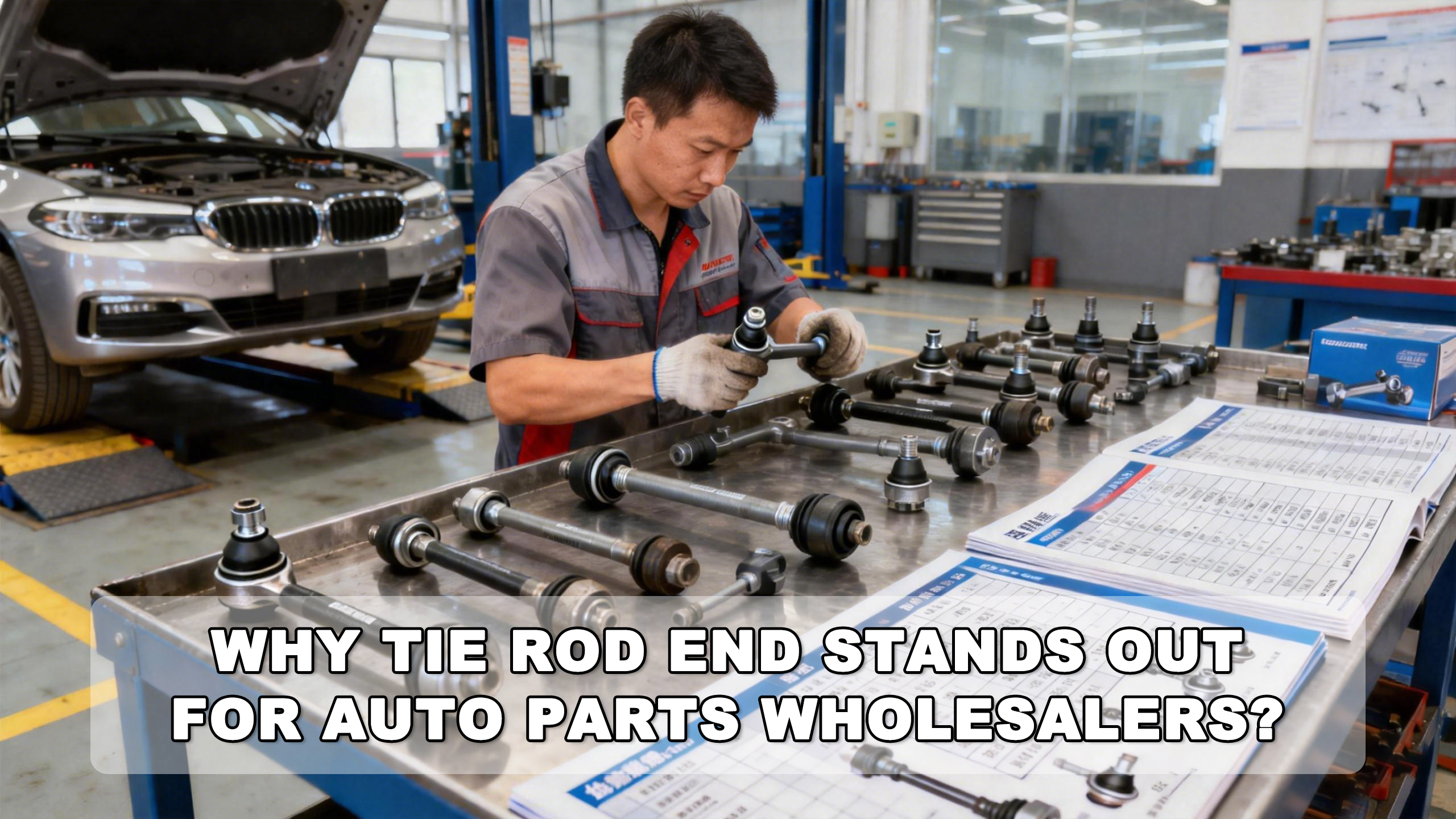
The Safety-Critical Role of Tie Rod End in Vehicle Steering Systems
How Tie Rod End Translates Rack Motion to Precise Wheel Angle Control
The tie rod end acts as that crucial connection point between the steering rack and the actual wheels, basically turning back and forth motion from the rack into those precise changes in wheel direction we need for cornering. These components have this ball joint setup that lets them control direction down to the millimeter level, all while still letting the suspension move around naturally as the car goes over bumps. When someone turns the steering wheel, these parts pass along that force pretty smoothly so the steering stays predictable no matter how much the suspension compresses or extends. The threading on these parts is tapered specifically for making small adjustments when aligning wheels, which helps keep tires making good contact with the road surface. And let's be honest about manufacturing quality here. If we look at what SAE International says about tolerances, even something as tiny as 0.1mm out of spec can really mess with how responsive the steering feels and make handling less predictable overall.
Failure Risks: From Alignment Drift and Pulling to Catastrophic Separation
Tie rod ends don't just fail suddenly - they go through several warning signs before complete breakdown happens. When these components start wearing down, vehicles tend to drift slightly off course, which can lead to increased tire wear. Some folks mistake this for simple tire imbalance instead of recognizing what's really going on underneath. As the problem gets worse, drivers will notice their steering wheel pulling to one side while accelerating. At later stages, there are telltale noises like clunks when making slow turns, plus visible damage to those rubber dust covers protecting the joints from dirt and water. Worst case scenario? Total separation usually happens after corrosion eats away over half the metal thickness or when something hits a weakened part hard enough to snap it clean off while driving fast down the highway. Mechanics looking for problems should check three main things first: any sideways movement in the joint greater than 3 millimeters, damaged or missing dust boots, and pits in the metal surface where rust has eaten away more than 1mm deep.
Tie Rod End Demand Drivers in the Wholesale Channel
Fleet Replacement Cycles: Why Medium-Duty Applications Drive 80% of Straight Tie Rod End Volume
Delivery vans and utility trucks make up around 80% of all wholesale sales when it comes to straight tie rod ends. These vehicles face constant start-stop driving, carry heavy loads day after day, and rack up serious mileage which wears parts down much faster than normal. Most need replacements every 40k to 60k miles, sometimes even sooner. That's way below the 100k plus miles we see in regular passenger cars. Fleet managers know this well and tend to buy these components in bulk whenever possible. They look specifically for durable parts that fit their particular vehicle models because downtime costs money. The regular need for replacements means there's always steady demand in the market. Distributors count on this pattern as one of their key products to keep shelves stocked throughout the year.
OEM vs. Aftermarket Adoption: Certifications, Warranty Support, and Technical Documentation as Trust Signals
Wholesalers bridging the OEM–aftermarket gap must demonstrate reliability through three key trust signals:
- Certifications: ISO 9001 or IATF 16949 compliance validates rigorous manufacturing controls.
- Warranty Support: Minimum 2-year coverage meaningfully reduces fleet buyers’ operational risk.
-
Technical Documentation: Clear installation guides with OEM-specified torque values and alignment notes prevent premature failures caused by improper fitment.
A 2023 aftermarket benchmark study found distributors offering all three attributes secured 47% more fleet contracts—confirming that technical transparency directly accelerates wholesale adoption.
Durability, Inspection, and Inventory Velocity: What Makes Tie Rod End a High-Confidence Wholesale SKU
Lifespan Benchmarks (40k–100k Miles) Tied to Material Grade, Boot Integrity, and Grease Retention
How long tie rod ends last really affects how predictable inventory turnover becomes. Most of them tend to last anywhere between 40k and 100k miles, but this depends on three main things working together. Forged steel parts can handle about 2.5 times more stress during steering compared to regular alloy components according to various chassis tests we've seen over the years. This makes them last longer when put through tough conditions. The dust boots matter too. When they get torn or messed up, dirt and debris find their way inside which speeds up wear on the joints by around 60% after only 5,000 miles driven. And then there's the grease retention aspect. Sealed fittings combined with thicker lubricants help cut down on friction wear while also making those service intervals stretch out by roughly 30%. All these factors combined give maintenance teams something solid to work with when planning replacements across fleets, making it easier for shops to stock what they need without guessing games.
Wholesale-Ready Visual Inspection Protocol: Detecting Play, Boot Damage, and Corrosion Early
Wholesalers can save time checking tie rod end quality with a standard 30 second visual check at the receiving dock. The techs start by looking at side to side movement in the joint area anything over about 3 millimeters means trouble down the road. Then comes the dust boot inspection for any cracks, splits or weird shapes that let dirt get inside where it shouldn't be. Last step is checking those adjustment sleeves and threads for little pits from corrosion these tell stories about past moisture problems. This quick look catches around 9 out of 10 bad parts before they ever leave the warehouse, cutting down on returns and keeping inventory moving faster than traditional methods. Put this system in place across operations and suddenly tie rod ends become products that deliver good margins without much risk attached to them.
Inner vs. Outer Tie Rod End: Commercial Implications for SKU Strategy and Margin Optimization
Outer tie rod ends fail 3–5× more frequently than inner units—typically every 40,000 miles versus 100,000+ miles—due to direct exposure to road impacts, steering forces, and environmental contaminants. This asymmetry demands deliberate SKU strategy:
- Inventory Velocity & Space Allocation: Prioritize depth and turnover for outer tie rod ends to match fleet maintenance schedules; maintain leaner, longer-cycle inventory for inner units.
- Margin Structuring: Apply competitive pricing (10–12% gross margin) on high-volume outer units, while positioning inner units as premium, technically differentiated SKUs (20–30% margins) due to their complex installation and alignment sensitivity.
- Bundling Opportunities: Kitting matched inner/outer pairs for fleet customers cuts per-unit fulfillment costs by 15–20% and lifts average order value—without diluting margin integrity.
Strategic segmentation across this functional split enables wholesalers to optimize warehouse efficiency, strengthen customer retention, and insulate margins from commoditization pressures.
FAQ
- What is the role of a tie rod end in a vehicle? A tie rod end connects the steering rack to a vehicle's wheels, translating back and forth motion into precise wheel direction changes during cornering.
- What are the signs of a failing tie rod end? Warning signs include drifting off course, steering wheel pulling to one side, clunk noises, and damaged rubber dust covers.
- How often should tie rod ends be replaced? It varies, but tie rod ends typically require replacement every 40,000 to 60,000 miles for medium-duty vehicles.
- What factors affect the lifespan of tie rod ends? Material grade, boot integrity, and grease retention are key factors that affect how long tie rod ends last.
Table of Contents
- The Safety-Critical Role of Tie Rod End in Vehicle Steering Systems
- Tie Rod End Demand Drivers in the Wholesale Channel
- Durability, Inspection, and Inventory Velocity: What Makes Tie Rod End a High-Confidence Wholesale SKU
- Inner vs. Outer Tie Rod End: Commercial Implications for SKU Strategy and Margin Optimization