
 EN
EN


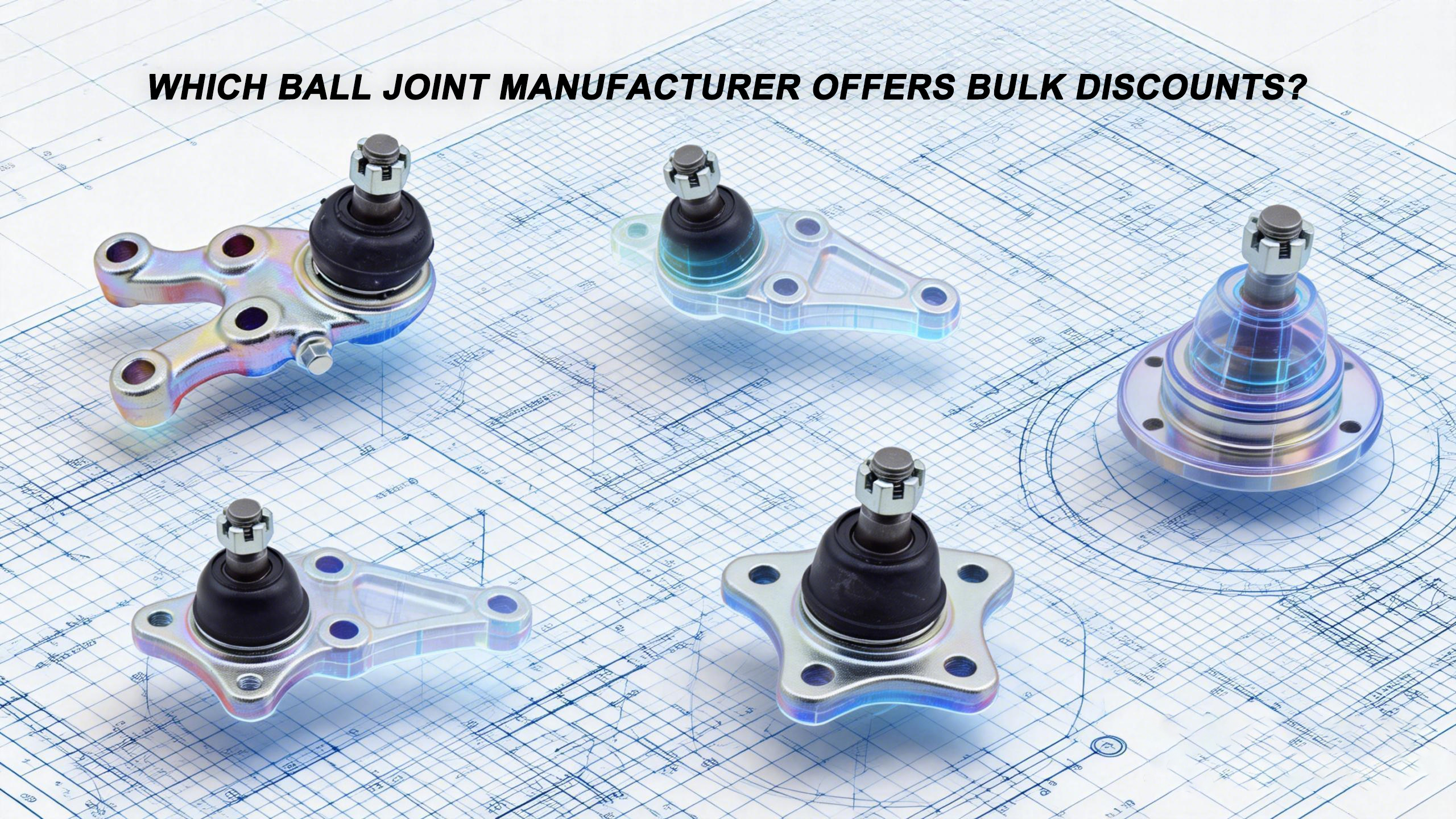
Understanding Bulk Discount Structures for Ball Joint Procurement
How MOQs, Tiered Pricing, and Contract Terms Impact Ball Joint Procurement
When buying ball joints in bulk, there are basically three things that work together to get discounts: minimum order quantities (MOQs), price tiers based on volume, and how long the contract lasts. Most top suppliers will want at least 500 units before they even consider offering any kind of deal. According to that recent Automotive Parts Pricing Report from 2023, if companies can commit to ordering over 1,000 units, they usually see discounts ranging between 15% and 30%. The reason? Simply put, bigger orders mean better production efficiency for manufacturers and lower costs per item when spreading out their fixed expenses across more products.
Tiered pricing escalates savings progressively, aligning incentives with scale:
| Order Volume | Typical Discount |
|---|---|
| 500–999 units | 8–12% |
| 1,000–2,499 units | 15–20% |
| 2,500+ units | 25–30% |
Contract length further amplifies value: two-year agreements routinely deliver 7–10% additional savings over spot purchases. Leading manufacturers often pair these terms with value-added services—including consignment stocking, predictive failure analytics, and dedicated technical support—to strengthen supply chain resilience and reduce total cost of ownership.
OEM vs. Aftermarket: Key Differences in Ball Joint Bulk Pricing Models
OEM and aftermarket procurement models reflect fundamentally different priorities. OEM pricing emphasizes integration into just-in-time manufacturing ecosystems rather than pure volume leverage—60% of OEM contracts include proprietary tooling costs, according to fleet procurement data. In contrast, aftermarket suppliers prioritize agility and accessibility:
| Factor | OEM | Aftermarket |
|---|---|---|
| Minimum Volume | 1,000+ units | 500+ units |
| Lead Time | 8–12 weeks | 4–6 weeks |
| Certification Requirements | 12+ compliance documents | 3–5 compliance documents |
While OEMs provide extended 18–24 month warranties, aftermarket specialists offset shorter coverage with faster rebate processing (30 days versus 90) and real-time inventory APIs. Notably, material certifications—though adding 5–7% to OEM costs—correlate with a 22% reduction in field failures, per NHTSA defect analysis. Buyers must weigh this reliability premium against operational flexibility.
Top Ball Joint Manufacturers with Verified Bulk Discount Programs
ZF TRW: Volume Incentives for Commercial Fleet Contracts
ZF TRW has developed a bulk purchasing program specifically for commercial fleet operators looking to get better pricing on larger volumes. The minimum order quantity is set at 500 pieces initially, but things get interesting when companies place bigger orders. For those ordering over 2,000 units, they qualify for even deeper discounts that go beyond the standard 12 to 18 percent range already offered. Plus, these larger orders come with benefits like combined shipping arrangements and faster handling through the supply chain network. What makes this particularly attractive is that despite these volume discounts, each component still meets the same high durability standards expected from original equipment manufacturers. And behind the scenes, everything continues to be produced according to strict ISO/TS 16949 quality management system requirements, ensuring consistent product quality across all production runs.
Pailton Engineering: Rebates for Municipal and Logistics Fleets
Pailton Engineering offers customized financial benefits designed specifically for government agencies and companies running heavy-duty transportation networks. Their rebate program gives customers between 10 and 15 percent off when they place big orders, plus they work with clients on payment schedules that can stretch out to 60 or even 90 days. There's also a special rebate arrangement twice a year where businesses get back around 2 to 5 percent of what they spend annually. This works best for operations that keep buying at least a thousand parts every three months. For fleet managers dealing with all sorts of vehicles, this kind of financial flexibility makes budget planning much easier throughout the year.
FridayParts: Real-Time Tiered Pricing for Ball Joint Orders
FridayParts uses digital procurement systems to offer clear and changing prices that automatically give buyers extra discounts when they hit certain order levels. For instance, customers get around 3 to 5 percent off when their orders reach 250, then again at 500, and once more at 1,000 units. The system keeps track of inventory in real time so companies don't end up with too much stock sitting around. And because shipments are combined, shipping costs drop between 18 and 22 percent according to recent logistics data from 2023. Great for businesses looking for fast turnaround and adaptable solutions, FridayParts doesn't tie customers into long contracts but still manages to save money without cutting corners on tracking parts or ensuring product quality remains high.
Evaluating True Cost Savings on Bulk Ball Joint Purchases
True cost optimization extends beyond headline discounts. While tiered pricing lowers unit prices, hidden variables—including shipping frequency, inventory holding costs, and quality assurance testing—determine net ROI. Consider this representative scenario:
| Order Volume | Unit Price | Total Cost | Net Savings vs. Standard |
|---|---|---|---|
| 100 units | $18.50 | $1,850 | 10% |
| 500 units | $16.20 | $8,100 | 21% |
| 1,000 units | $14.80 | $14,800 | 28% |
Source: Automotive Procurement Analysis 2023
When companies buy in larger quantities, they typically save between 15 to 30 percent on shipping costs because items get consolidated into fewer shipments. However, there's a catch. Storing products that don't sell quickly can actually eat away at around 5 to 7 percent of those expected savings each year. On the flip side, installing parts in batches saves workers a lot of time. Fleets that purchase high quality ball joints in bulk also see their maintenance costs drop by about 22 percent since vehicles spend less time out of commission for repairs. Before jumping into big orders though, check if warranties still apply the same way. Some suppliers limit what they'll cover when someone buys too much at once. The smart approach is to weigh all these numbers against actual yearly demand figures to find where the sweet spot lies. Real savings come from thoughtful planning, not just chasing short term discounts.
FAQ Section
What is the minimum order quantity (MOQ) for ball joints to receive bulk discounts?
The MOQ for ball joints usually starts at 500 units to qualify for bulk discounts.
How do tiered pricing models work in ball joint procurement?
Tiered pricing models apply increasing discounts based on the volume of ball joints ordered, thus incentivizing larger purchases.
What factors differentiate OEM and aftermarket ball joint pricing?
OEM models prioritize integration and tooling costs, while aftermarket suppliers emphasize agility and fewer compliance documents.
How can companies evaluate true cost savings when purchasing ball joints in bulk?
Companies should consider shipping, inventory holding costs, and quality assurance testing to determine net ROI beyond headline discounts.