
 EN
EN



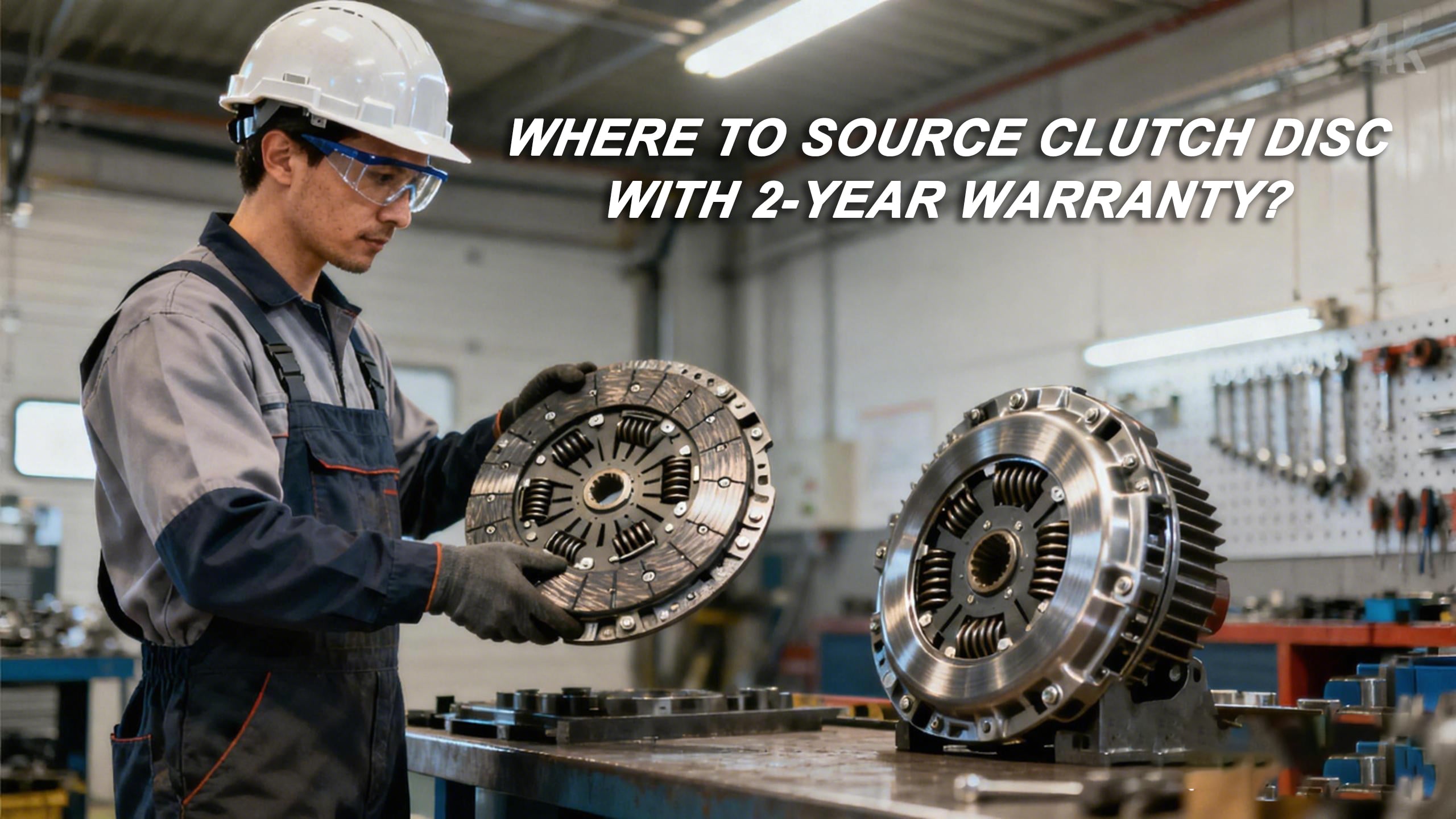
Why a 2-Year Warranty Is Critical for Clutch Disc Longevity and Value
Clutch discs generally last between 50,000 to 100,000 miles based on how someone drives and what kind of roads they're on. But there's still a real chance of early failure because of problems with materials or manufacturing issues. When a car doesn't have warranty coverage, getting a new clutch disc installed runs anywhere from $500 up to $1,200. That means the whole cost falls squarely on the vehicle owner's shoulders. A warranty that covers two years offers important protection against these kinds of problems. If the materials start breaking down too soon or there are issues with how it was made at the factory, the replacement is free. Looking at actual repair shop records, around 63 percent of all early clutch failures happen within just 18 months after installation. Most often this happens when the friction material isn't bonded properly during manufacturing. That makes those first 18 months the most dangerous time for unexpected breakdowns. Having a warranty that lasts two years specifically covers this critical period. Instead of treating the clutch as something that might fail anytime, it becomes a known expense. And it forces manufacturers to take responsibility for both their materials and how well they put things together.
Trusted Sources for a Clutch Disc With 2-Year Warranty
OEM and Authorized Distributors: Guaranteed Authenticity and Enforceable Coverage
Getting genuine OEM clutch discs from official sources guarantees real materials and proper warranty coverage. Big name manufacturers put their components through extensive testing so they can handle extreme heat and heavy torque forces. This kind of testing gets rid of problems that come up with cheap knockoffs made from poor quality metal or friction materials that don't perform consistently. When buying through authorized dealers, customers know exactly what their warranty covers because these distributors follow all the rules without question. They also make it easy to file claims when needed and can track where each part came from in the supply chain.
Reputable Tier-1 Aftermarket Brands: Warranty Clarity and Real-World Claim Support
The best aftermarket manufacturers stand out because they actually follow through on their warranty promises, something many smaller companies struggle with. Their clutch discs are designed with particular usage patterns in mind, accounting for different loads and temperature ranges during operation. Plus, their documentation procedures tend to be pretty straightforward, which cuts down on arguments later on. The Heavy Duty Parts Report from last year showed something interesting too: clutch failures among top brands fell by around 32% compared to cheaper options on the market. That kind of gap speaks volumes about how much better quality control works when companies take it seriously. Most mechanics will tell anyone who asks that getting claims approved goes smoother with these established names when there's clearly a manufacturing issue at hand.
Maximizing Your Clutch Disc Warranty: Installation, Documentation, and Common Pitfalls
How Improper Installation or Flywheel Issues Void Clutch Disc Warranty Claims
The two year warranty on clutch discs typically only applies to factory defects, not problems that come from installation mistakes or other mechanical issues outside the manufacturer's control. Most warranties won't cover things like grease or oil getting on friction surfaces, parts that aren't aligned properly when putting it all together, or if someone didn't apply the right amount of torque during installation these are all considered installation damage. Flywheel issues also fall into the exclusion category. If there are hot spots, warping, or just plain bad surface finish on the flywheel, this will make the clutch wear out faster and counts as an external factor according to standard warranty policies. Want to keep that warranty intact? Get a qualified mechanic to do the job and double check that the flywheel actually matches what the original equipment manufacturer specifies for flatness, hardness levels, and overall surface quality before installing anything.
Labor Coverage Explained: Why Most 2-Year Clutch Disc Warranties Exclude Installation
Most standard 2 year warranties for clutch discs only cover faulty parts, not the labor costs. Replacement parts usually come free of charge, but car owners still need to pay for getting them installed, which typically runs between three hundred to five hundred bucks at local repair shops. The reason this isn't covered is simple really - labor charges differ so much depending on where someone lives and how experienced the mechanic is, so trying to set a universal rate just doesn't work. Mechanics often point fingers at installation mistakes when things go wrong after a new clutch is put in place, which means they don't take responsibility for the part itself. Take flywheels for instance. If they need resurfacing or replacing according to factory specifications before doing warranty work, that's something the vehicle owner has to handle themselves. Bottom line? Keep some cash aside for those unexpected labor bills even if the clutch disc is still under warranty.
FAQ
What benefits does a 2-year warranty offer for a clutch disc?
A 2-year warranty provides protection against early failures due to material or manufacturing issues, covering breakdowns often occurring within the first 18 months.
Are installation costs covered under a clutch disc warranty?
No, most 2-year warranties cover only faulty parts, not labor charges due to the wide variation in labor costs across different locations.
Why might a clutch disc warranty claim be denied?
Claims might be denied due to improper installation or issues with the flywheel, such as misalignment or inadequate torque application, which are considered external factors not covered by the warranty.
Table of Contents
- Why a 2-Year Warranty Is Critical for Clutch Disc Longevity and Value
- Trusted Sources for a Clutch Disc With 2-Year Warranty
-
Maximizing Your Clutch Disc Warranty: Installation, Documentation, and Common Pitfalls
- How Improper Installation or Flywheel Issues Void Clutch Disc Warranty Claims
- Labor Coverage Explained: Why Most 2-Year Clutch Disc Warranties Exclude Installation
- FAQ
- What benefits does a 2-year warranty offer for a clutch disc?
- Are installation costs covered under a clutch disc warranty?
- Why might a clutch disc warranty claim be denied?