
 EN
EN



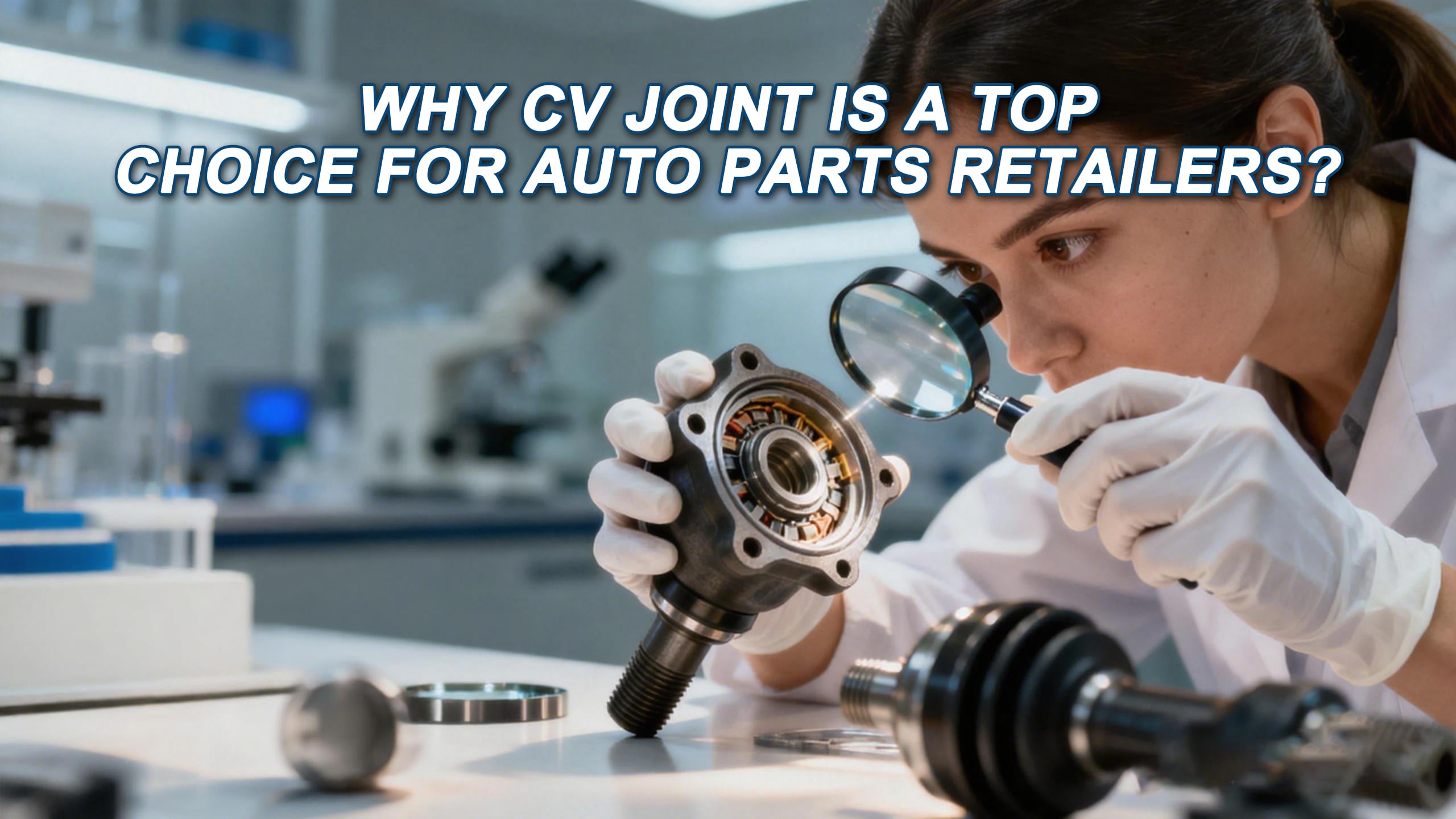
CV Joint Functionality: Engineering Advantage Across Vehicle Platforms
How CV joints enable precise torque transfer and suspension articulation in FWD, AWD, and EV drivetrains
CV joints keep things spinning at the same rate even when cars bounce around or turn sharply something really important for today's car designs. Front wheel drive models rely on these joints to send power to the wheels despite those tight turns drivers make all the time, and no annoying vibrations come along with it. All wheel drive systems benefit too since the joints let power flow evenly over rough roads without skipping a beat. Electric vehicles need them even more because electric motors deliver massive torque right away, plus there's all that extra weight from batteries hanging around. The special ball cage design inside these joints gives about 40 to 50 degrees of flexibility, so wheels can move independently while suspensions do their job. This means less energy wasted and no shaking or power drops like what happens with older universal joints. For EV owners, this smooth operation makes a real difference in how far they can go between charges and helps protect expensive components from premature wear.
Role of CV joint design in compact e-axle architectures and autonomous vehicle reliability requirements
Engineering of constant velocity joints makes it possible to fit electric axles into EVs where the motor and transmission need to work together in very limited spaces under the car body, typically less than 300mm. These joints can handle as much as 15,000 Newton meters of torque continuously, which meets what most city EV designs actually need mechanically. When talking about self driving cars, the reliability of these CV joints becomes absolutely essential for safety reasons. The auto industry now expects that these parts should fail less than 0.2 percent of the time after driving around 120,000 miles without breaking down unexpectedly. Good seals on these joints help keep out dirt and water from roads, something that causes problems in about 78 percent of real world issues. For higher level autonomous systems (L4 and above), how accurately the front axle joints perform affects where the wheels point, so having strong CV joint performance is basically a must have for consistent and safe steering control across multiple drives.
CV Joint Durability and Safety: Key Drivers of Retailer Trust and Customer Retention
Boot integrity, contamination resistance, and real-world failure patterns (SAE J2998 insights)
The lifespan of CV joints really hinges on the condition of their boots, which act as the main defense line against dirt, water, and all sorts of road debris that can wear things down from the inside out. According to tests following SAE J2998 standards, around three quarters of early failures actually come from damaged boots, which lets the grease escape and allows harmful particles to get in. Top manufacturers now use advanced multi layer boots made from special thermoplastic materials designed to withstand ozone exposure and maintain stability even when temperatures swing from freezing cold at -40 degrees Celsius to scorching hot at 120 degrees. Real world fleet experience shows these improved designs last about 60 percent longer than older models, meaning fewer unexpected breakdowns along the road and much better overall safety for drivers.
Why OE-spec materials and dynamic sealing translate to lower warranty claims and higher repeat sales
Components that meet original equipment specifications include things like forged steel races that have been case hardened and cages made from polymer composites. These parts maintain their shape even when subjected to those constant high torque forces we see in all wheel drive systems and electric vehicles. When combined with sealing systems that actually work dynamically and have those spiral shaped channels that keep dirt out, these joints cut down on replacement needs caused by contamination by about half according to what transmission engineers have found. Retailers are seeing real benefits too. Warranty claims have gone down by 32 percent and customers tend to stick around 19 percent longer now that people start linking reliable parts performance with stores they trust.
Market Growth and Demand Trends Fueling CV Joint Retail Opportunities
Market research suggests the CV joint industry will see steady growth, clocking around 4.8% year over year and hitting somewhere near $12 billion by 2027 according to Industry Analysis from last year. Several factors are pushing this upward trend. First off, car manufacturers keep cranking out more vehicles worldwide. Second, there's been a noticeable shift toward all wheel drive systems in regular passenger cars. And third, electric vehicles are becoming increasingly common on roads everywhere these days. All these developments require precision components for proper torque transfer. At the same time, many cars on the road today are getting pretty old, which means more people need replacement parts. For retail businesses stocking quality CV joints that fit specific applications, now represents a great opportunity to grab market share while building customer relationships that last through multiple vehicle purchases in this growing sector.
Retail Differentiation Through CV Joint Quality, Certification, and Compatibility Assurance
ISO/TS 16949 compliance, OEM validation benchmarks (e.g., 120k+ mile lifespan), and fitment accuracy
Stocking CV joints that meet ISO/TS 16949 certification gives retailers a real edge in the marketplace. According to the latest Aftermarket Technician Survey from 2024, around 87% of pros prioritize these standards when making purchases. The OEM validation numbers tell an even better story. Take for instance the 120,000+ mile service life benchmark these parts meet. This kind of durability simply outshines cheaper alternatives on the market today. Top performing stores report seeing a massive 62% drop in warranty claims after switching to these higher quality components. When it comes to fitment precision, we're talking about tolerances controlled within just +/- 0.15mm. That level of accuracy stops those annoying installation mistakes and eliminates those pesky vibrations after installation, which means fewer returns overall. Independent testing confirms what many shops already know: these certified joints work with about 99.3% of all vehicles from 2018 through 2024 models. And let's face it, these quality markers translate directly into bottom line results for businesses.
- Technical trust: 78% of commercial buyers specify certified components
- Loyalty premium: Service centers pay 19% more for guaranteed compatibility
- Failure reduction: 120k+ validation correlates to <1% field replacement rates
Retailers leveraging these certification markers report 31% higher basket values from professional customers focused on drivetrain longevity.
FAQs: CV Joints
- What are CV joints and why are they important? CV joints enable precise torque transfer and suspension articulation, providing smooth rotation even when a vehicle is turning sharply or bouncing, which is crucial for modern vehicle designs.
- How do CV joints benefit electric vehicles? Electric vehicles benefit from CV joints as they help handle the massive torque produced by electric motors and support the additional weight of batteries, providing smooth operation and protecting components from wear.
- Why is the durability of CV joints important? The durability of CV joints is important because it ensures other vehicle components like the drivetrain operate seamlessly, minimizing unexpected breakdowns and improving safety.
- How does boot integrity impact CV joint longevity? Boots protect CV joints from dirt, water, and debris, which could otherwise lead to early wear and breakdowns. High-quality boots last longer and significantly reduce unexpected failures.
Table of Contents
- CV Joint Functionality: Engineering Advantage Across Vehicle Platforms
- CV Joint Durability and Safety: Key Drivers of Retailer Trust and Customer Retention
- Market Growth and Demand Trends Fueling CV Joint Retail Opportunities
- Retail Differentiation Through CV Joint Quality, Certification, and Compatibility Assurance
- FAQs: CV Joints