
 EN
EN



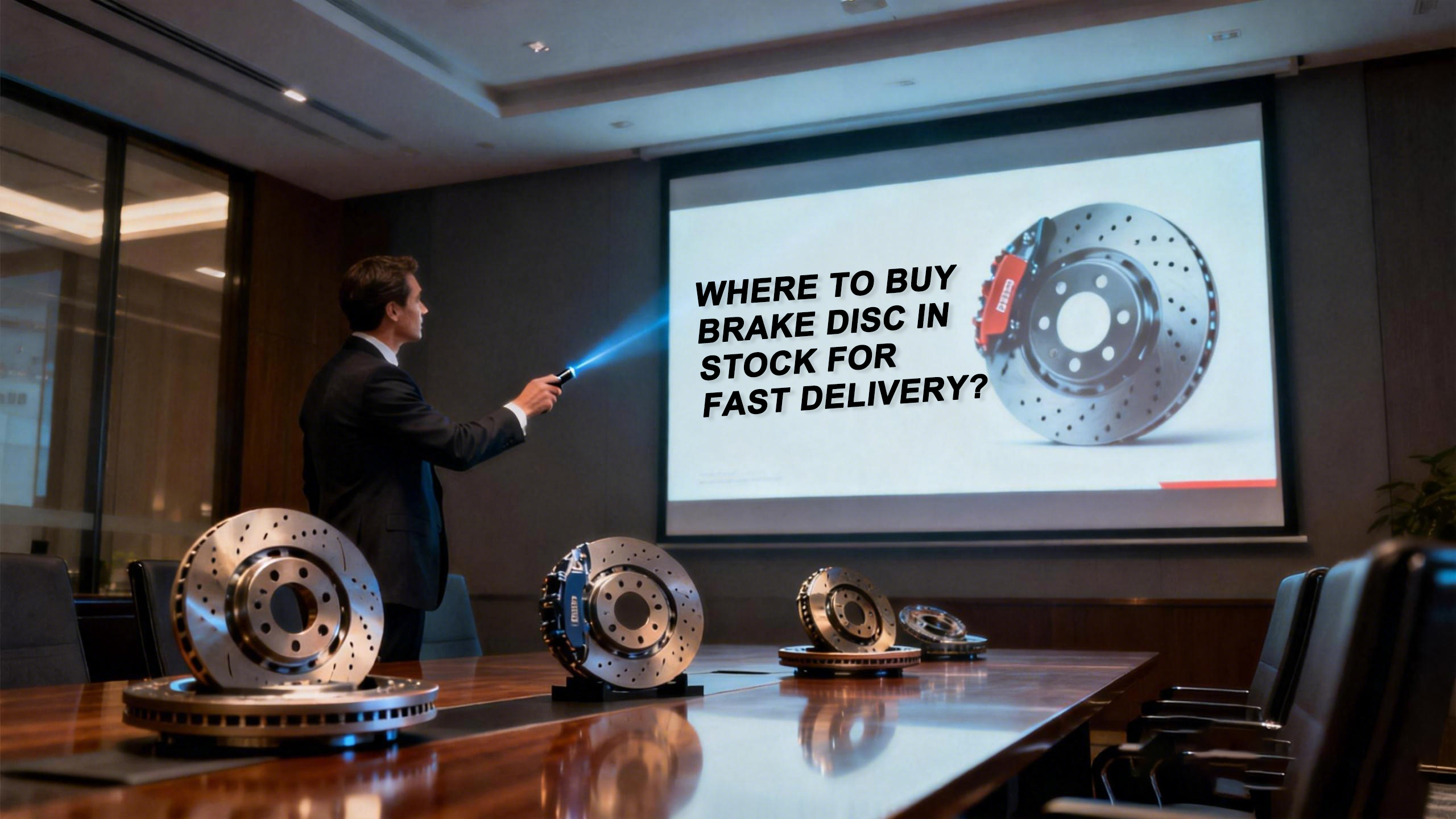
Understanding Real-Time Brake Disc Inventory: Why 'In Stock' Is Often Misleading
How Dynamic Inventory Algorithms Hide True Brake Disc Availability
Brake disc inventory systems often lie about what's actually in stock because they don't update in real time. Many online platforms only check their inventory at set intervals, sometimes waiting all day before refreshing numbers. What happens? The digital shelf might claim there are 100 discs ready to go, but walk into the warehouse and count them yourself - chances are good there's closer to 40 sitting on the racks. Why does this happen? Most warehouses still rely on old school batch processing methods. When someone buys a part online, returns something, or moves stock around the facility, these changes take time to register across all systems. This becomes a real headache during peak seasons like spring when fleets need brakes inspected or winter when drivers rush to replace worn components. Mechanics end up wasting precious hours tracking down parts that supposedly exist in the system but have long since been sold out or reserved for another customer somewhere else.
The Tiered Distribution Gap: Why Local Store Stock Online 'In Stock' Status
Online 'in stock' indicators rarely reflect actual local availability. Distributors operate multi-tiered networks that separate inventory ownership from customer access:
- Central warehouses (primary stock)
- Regional hubs (limited, pre-validated SKUs)
- Retail partners (minimal reserves, often reserved for walk-in demand)
When something shows as "available" online, it usually means there's stock at the central warehouse, but nobody mentions those 3 to 7 day shipping windows. Funny thing is, stores just down the road might be completely out of stock even though they're right next door. According to research from the Ponemon Institute back in 2023, this kind of mismatch between what customers see and what actually exists on shelves ends up costing companies around $740,000 each year because projects get stuck waiting for parts. For anyone looking to order essential brake discs, don't just take the website at face value. Get real time updates through live API connections or better yet, give the fulfillment center a quick call directly. The retail store front isn't always the best source for knowing what's really in stock these days.
Brake Disc Sourcing Options: OEM, Genuine, and Aftermarket - Speed vs. Certification Trade-Offs
OEM Brake Disc Lead Times: When Factory Authorization Slows Down Delivery
When it comes to OEM brake discs, certification takes precedence over quick turnaround times. The entire order process goes through those brand controlled factories and official distribution networks, which typically adds anywhere from two to five weeks before anything ships out. According to recent industry data from the Automotive Aftermarket Suppliers Association back in 2023, around 78 percent of business to business customers experience delayed shipments because of this authorization system. Sure, these discs fit vehicles perfectly and come with complete manufacturer warranties, but let's face it their supply chains are pretty inflexible. Every single disc has to pass physical checks at multiple points along the way, and when demand spikes, production lines get backed up. What many sellers list as "in stock" items usually just hides the reality of long wait times instead of actual immediate availability for most customers.
Aftermarket Brake Disc Advantages: Pre-Stocked SKUs and Regional Warehouse Networks
Aftermarket providers eliminate OEM bottlenecks using decentralized, pre-validated inventory models. Regional hubs maintain certified SKUs ready for same-day dispatch-enabling reliable 1-3 day delivery without factory dependencies. Key advantages include:
- Same-day shipping: 87% of orders ship within 24 hours from nearshore facilities
- Certified alternatives: ISO/TS 16949-compliant discs match OEM dimensional tolerances (±0.1mm) and undergo identical performance validation
- Dynamic allocation: AI-driven algorithms redistribute stock across fulfillment centers during shortages, preserving service levels
These discs often use advanced materials-like carbon-ceramic composites-that exceed OEM thermal and wear benchmarks. For B2B buyers balancing speed, compliance, and uptime, aftermarket doesn’t mean compromise-it means control.
Fast-Track Brake Disc Procurement: A Verified 4-Step Strategy for B2B Buyers
Step 1: Validate Real-Time Stock with Live API or Phone Confirmation
When companies put too much faith in those "in stock" signs from online stores, they end up waiting longer than expected for their parts. According to Automotive Sourcing Journal research from last year, around 23% of all brake disc orders get delayed because what looks available isn't actually there. To prevent these headaches, there are really just two reliable ways to check if something is truly ready to ship. First option? Live API connections that grab fresh inventory info from distributors roughly every 5 to 15 minutes. Second choice works well too - give the warehouse team a quick call and ask them directly. The API method plays nicely with automated purchasing systems, while talking to someone on the phone gives that extra layer of confidence when dealing with emergency repairs or getting vehicles back on the road fast.
Step 2: Prioritize Distributors with ISO/TS 16949-Certified Brake Disc Inventory
Distributors holding ISO/TS 16949 certification demonstrate 98% inventory accuracy-versus 74% for non-certified suppliers (International Automotive Task Force, 2023). This automotive-specific quality standard mandates strict traceability protocols for every brake disc batch, eliminating specification mismatches and reducing quality-related installation delays by up to 3 days. Certified hubs maintain real-time digital logs of:
- Heat treatment verification records
- Dimensional tolerance certifications
- Surface finish documentation
This end-to-end accountability ensures consistency across orders-especially critical for commercial fleets managing hundreds of vehicles across multiple service locations.
Step 3: Leverage Regional Fulfillment Hubs for Next-Day Brake Disc Delivery
Having operational centers within about 200 miles from where parts are needed makes it possible to get deliveries the next business day for roughly 89% of all commercial vehicle orders according to NADA data from 2024. Before finalizing any purchase, check what areas a supplier covers through their website's zip code finder feature. Look specifically for warehouses that have proper loading zones designed for trucks and set clear shipping windows like those that process morning orders by noon for same day departure. The closer proximity reduces chances of product damage during transport by almost half compared to shipping across states, plus it saves money since there's no need to pay extra fees associated with plane transportation.
| Advantage | Regional Hub | National Warehouse |
|---|---|---|
| Delivery Speed | Next-day (≤200 mi) | 3-5 business days |
| Damage Risk | 8% incidence | 22% incidence |
| Freight Cost | $18-$35 per pallet | $75+ per pallet |
Step 4: Opt for Aftermarket Alternatives for Speed without Sacrificing Quality
Of course, the fastest way to get brake discs is through aftermarket providers that stock pre-validated SKUs ready for shipping. To ensure quality remains intact, select sellers with ISO/TS 16949 certification that offers the same performance guarantees as OEM equipment. That means checking if those parts match original tolerances (+/-0.1mm), follow correct heat treatment protocols, and retain structural integrity during service. Getting connected with a local distributor saves time too—especially for emergency repairs that demand rapid turnaround over weekend holidays when standard channels remain closed.
FAQ
Why is 'in stock' information often misleading in brake disc inventory systems?
'In stock' information can be misleading because inventory systems do not update in real time. Batch processing methods may show available stock online when, in reality, it has already been sold or reserved in the physical warehouse.
How does the tiered distribution system affect online and local store stock status?
The tiered distribution system separates inventory ownership among central warehouses, regional hubs, and retail partners, which can cause discrepancies between online 'in stock' status and actual local store availability.
What are the advantages of sourcing aftermarket brake discs?
Aftermarket brake discs offer advantages such as same-day shipping, ISO/TS 16949 certification, and dynamic stock allocation using AI-driven algorithms, enabling faster delivery without factory dependencies.
How can B2B buyers fast-track brake disc procurement?
B2B buyers can fast-track procurement by validating real-time stock through live API or phone confirmation, prioritizing certified distributors, leveraging regional fulfillment hubs for next-day delivery, and opting for aftermarket alternatives.
Table of Contents
- Understanding Real-Time Brake Disc Inventory: Why 'In Stock' Is Often Misleading
- Brake Disc Sourcing Options: OEM, Genuine, and Aftermarket - Speed vs. Certification Trade-Offs
-
Fast-Track Brake Disc Procurement: A Verified 4-Step Strategy for B2B Buyers
- Step 1: Validate Real-Time Stock with Live API or Phone Confirmation
- Step 2: Prioritize Distributors with ISO/TS 16949-Certified Brake Disc Inventory
- Step 3: Leverage Regional Fulfillment Hubs for Next-Day Brake Disc Delivery
- Step 4: Opt for Aftermarket Alternatives for Speed without Sacrificing Quality
- FAQ