
 EN
EN



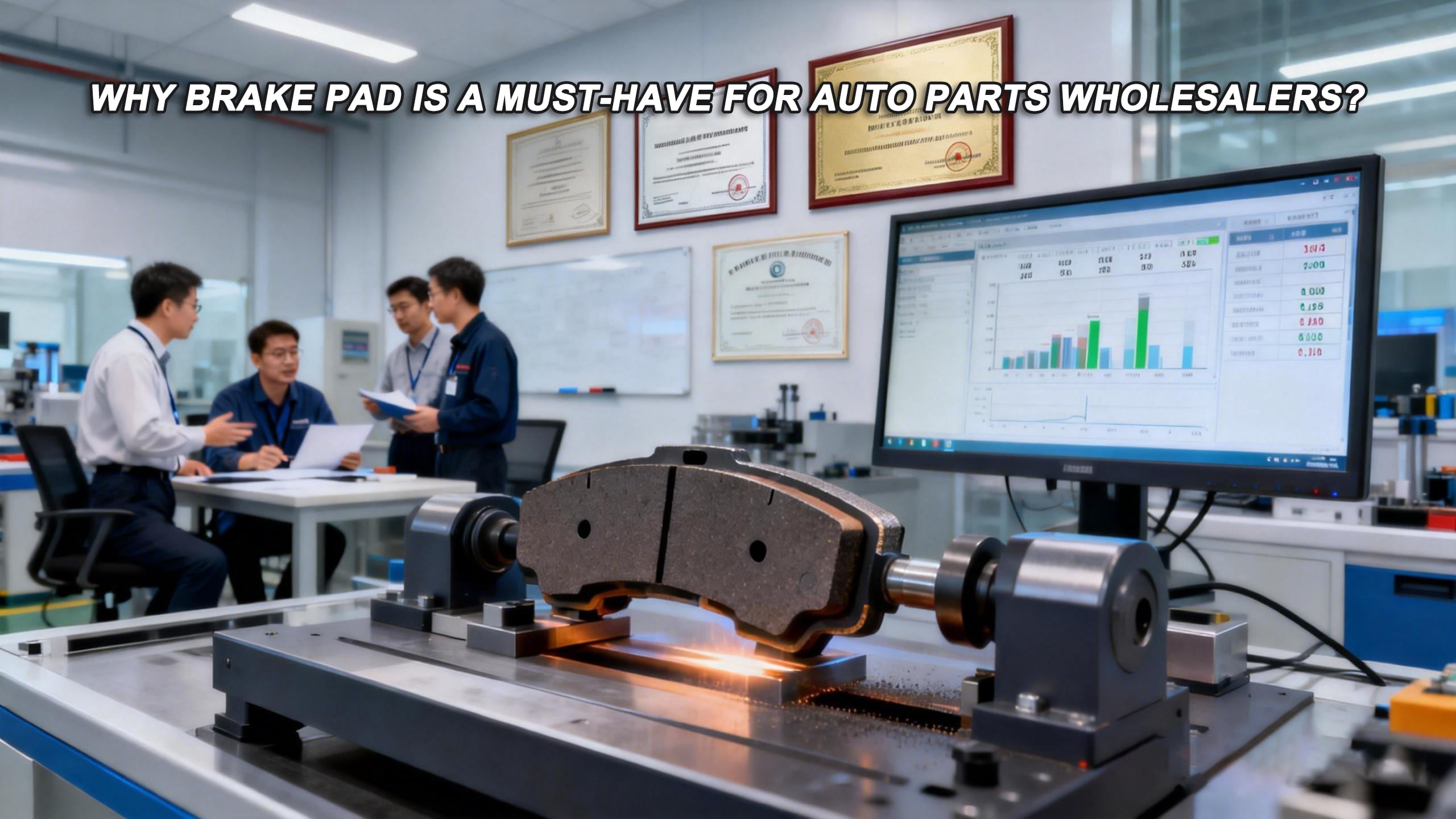
Brake Pad Safety Impact: The Non-Negotiable Foundation for Vehicle Reliability
How brake pads convert kinetic energy into thermal energy – and why failure modes directly compromise fleet uptime
The brake pads on vehicles act as the main point where kinetic energy gets turned into heat through friction with the rotors. Without this process, cars wouldn't be able to stop safely and predictably. As time goes on, brake pads start to break down because of things like worn materials, dirt buildup, or just plain old uneven wear across their surface. Once this happens, the way they create friction becomes inconsistent. Bad brake pads mean longer stopping distances, faster wear on rotors, and all sorts of weird behaviors when someone hits the brakes. Fleet managers know this all too well since faulty pads often lead to emergency roadside fixes and expensive follow-up work on components like calipers and brake lines. Keeping those pads in good condition isn't just about safety it also helps manage heat properly and keeps operations running without unexpected interruptions.
NHTSA and IIHS data: 23% of preventable brake-related accidents tied to degraded or misfit brake pad installations
The National Highway Traffic Safety Administration and Insurance Institute for Highway Safety released some pretty concerning findings back in 2023. Their research showed that almost 25% of brake failures that could have been prevented were actually caused by poor installation work or parts that had simply worn out over time. When brake pads don't match properly either because they're made with the wrong materials for the car's weight or just plain fit wrong, it creates all sorts of problems. The contact between pad and rotor becomes uneven which speeds up wear and cuts down on usable friction area by as much as 40%. Old pads tend to crack when hot and start coming apart under stress, which explains why so many accident reports mention delayed stopping or total brake failure. For companies managing large vehicle fleets, specifying original equipment manufacturer compliant brake pads makes a real difference in cutting down these kinds of risks while keeping maintenance costs lower in the long run.
Brake Pad as a High-Margin, High-Turn B2B Product Category
Profitability drivers: Average 42–58% gross margin on branded brake pad SKUs vs. 22–30% on commoditized hardware
Auto parts wholesalers find brake pads to be quite profitable business. The branded ones typically bring in gross margins between 40% to almost 60%, which is about twice what they get from selling standard items such as bolts or bearings that usually sit around 22% to maybe 30%. Why? Because these brake pads are technically different from run-of-the-mill parts. They use special materials like ceramics and metals that cut down on noise during braking, produce less dust, and last longer before needing replacement. Generic alternatives just don't match up since proper formulation requires significant research and development work behind them, something most competitors can't replicate easily. Smart wholesalers who carry multiple brands across different price points (from budget friendly options all the way up to high end models) tend to attract a wider range of customers without sacrificing their profit margins too much.
Inventory velocity: Brake pad SKUs account for ~19% of auto parts wholesale order volume – second only to filters
High turnover complements strong margins, with brake pads representing approximately 19% of wholesale order volume–surpassed only by filters. Three factors drive this velocity:
- Replacement frequency: Front pads typically require replacement every 40k–70k miles
- Fleet standardization: Commercial fleets synchronize brake service across vehicle groups
- Seasonality: Winter climates accelerate wear, generating predictable demand spikes
This consistent demand positions brake pads as a core revenue generator, with optimized stock rotation helping minimize carrying costs and improve cash flow.
Fitment Accuracy and Catalog Intelligence: What Sets Top Brake Pad Wholesalers Apart
VIN- and OE-driven cataloging: Why precision fitment reduces returns by up to 37% and builds installer trust
Getting brake pads to fit right starts with checking the VIN code and matching original equipment specs. This helps cut down on those pesky compatibility issues which actually account for around 37% of all returns according to some industry research we've seen. Detailed product records that take into account things like different model years, special trim levels, and even regional differences mean mechanics get parts made specifically for their customers' cars. There are benefits for everyone involved really. Wholesalers save money on shipping back faulty items, while repair shops can rely on getting what they need without wasting time or money. Technicians spend less time dealing with wrong parts, so instead of just being another supplier, wholesalers become go to folks who understand the technical side of things when it matters most during repairs.
Application-specific packaging: Fleet kits, EV-optimized low-dust ceramics, and UTV/e-scooter expansion opportunities
Forward-thinking wholesalers now segment brake pad inventory by use-case demands:
- Fleet maintenance kits, including wear sensors and pre-greased shims
- EV-specific ceramics, engineered to minimize conductive dust near regenerative braking systems
- UTV/e-scooter pads, targeting the 19% YoY growth in micro-mobility service demand
This specialization captures emerging revenue while solving real-world pain points–such as ceramic formulations reducing EV sensor corrosion by 41% compared to semi-metallics. Packaging brake pads as application-engineered solutions–not commodities–enables premium pricing and strengthens alignment with next-generation vehicle architectures.
FAQ Section
-
What are brake pads and why are they important?
Brake pads are crucial components of a vehicle's braking system, converting kinetic energy into heat through friction with rotors. They help ensure safe and predictable stopping.
-
How often do brake pads need replacement?
Front brake pads typically require replacement every 40,000 to 70,000 miles. The replacement frequency can vary based on driving conditions and vehicle type.
-
What causes brake pads to fail?
Brake pads may fail due to wear over time, dirt buildup, or improper installation, which can lead to inconsistent friction, longer stopping distances, and offbeat braking behavior.
-
Why is fitment accuracy crucial?
Accurate fitment using VIN and OE specifications reduces compatibility issues and returns by up to 37%, building trust in installers and ensuring optimal performance.