
 EN
EN



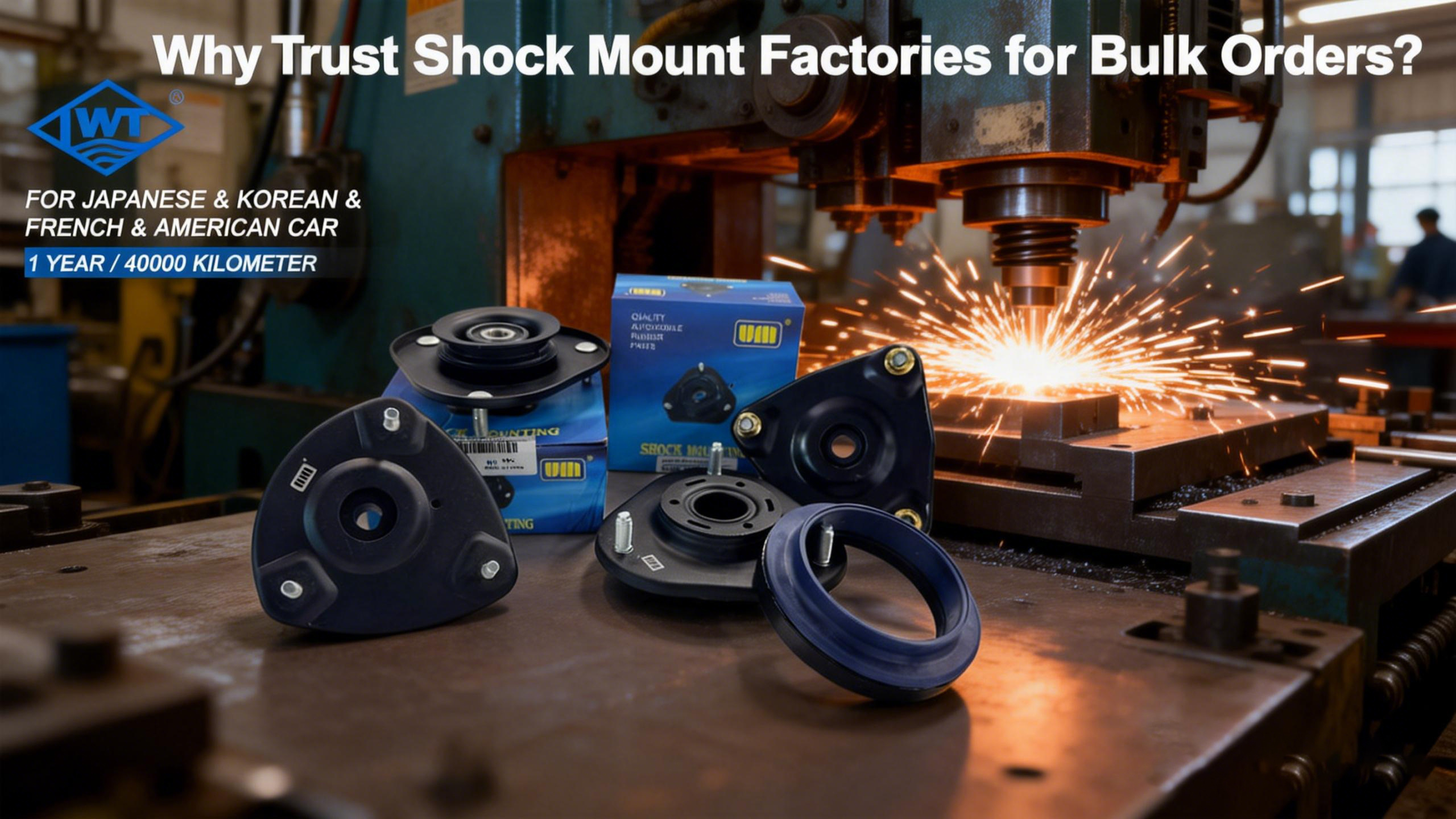
Cost, Speed, and Inventory Benefits of Direct Shock Mount Factory Sourcing
Economies of Scale: How Unit Cost Drops 22–37% at 500+ Shock Mount Units
Ordering shock mounts directly from manufacturers unlocks significant bulk discounts. At volumes exceeding 500 units, per-unit costs decrease by 22–37% through consolidated material procurement and streamlined production runs. This volume-based pricing model eliminates distributor markups while maintaining precision tolerances required for vibration-sensitive applications.
Lead Time Compression: Factory-Direct Scheduling Cuts Shock Mount Delivery by 3–6 Weeks
Bypassing distribution intermediaries reduces shock mount lead times by 3–6 weeks. Production schedules align directly with your project timelines through dedicated manufacturing slots. Real-time monitoring prevents bottlenecks in rubber compounding or metal fabrication stages, accelerating time-to-installation for industrial machinery and HVAC systems.
Just-in-Sequence (JIS) Support: Optimized Shock Mount Inventory for Automotive & Aerospace OEMs
Factories enable JIS delivery by synchronizing shock mount production with assembly line sequences. This approach reduces warehouse needs by 40% while ensuring exact specifications arrive precisely when needed. For automotive and aerospace OEMs, JIS eliminates inventory carrying costs and prevents production stoppages from missing components.
Supply Chain Resilience Through Manufacturer-Distributor Collaboration
Dual-Channel Fulfillment: Blending Shock Mount Factory Direct + Regional Hub Distribution
When manufacturers combine direct shipping from factories with local warehouses across regions, they end up with what works pretty well as a two-pronged logistics plan. Companies have seen their waiting periods drop somewhere between 30 to maybe even 40 percent when they need to restock quickly, plus they save money on transportation expenses too. These regional centers keep extra stock of products that sell fast, so customers can get what they want the same day often enough. For larger quantities though, items still come straight from the factory instead of going through middlemen. Car makers who've adopted this system boast around 98 percent timely deliveries even when there are problems in the supply chain. What makes all this work? Smart software that figures out where each order should go depending on what's available right now and how much space carriers actually have.
Shared Forecasting Platforms: Mitigating the Bullwhip Effect in Shock Mount Procurement
When demand signals get distorted what we call the bullwhip effect it can eat up between 18 to 25 percent of procurement budgets. Companies are now turning to shared digital platforms that connect manufacturers, distributors and original equipment manufacturers. These systems let different teams work together on adjusting forecasts based on actual consumption numbers from factory floors, look at supplier capacity through dashboards, and even plan for different scenarios with built in risk factors. The result? A lot less guesswork. Some studies show this kind of transparency cuts down order fluctuations by around 60 percent. Take one aerospace company as an example they managed to cut their safety stock levels by 35 percent while actually getting better at filling customer orders. What used to be a purely reactive approach to buying materials has transformed into something much smarter and more strategic throughout their entire supply chain.
Proven Shock Mount Reliability via Rigorous Manufacturing Quality Assurance
ISO 9001 & IATF 16949 Compliance: Zero Non-Conformance Rate Across 12,000+ Shock Mount Production Lots
Zero non-conformance across over 12,000 production batches shows just how much ISO 9001 and IATF 16949 standards can improve shock mount reliability in manufacturing. These quality management systems put strict controls in place throughout the entire production chain. From tracking materials all the way through statistical monitoring processes, they help stop defects before they even happen in those vital vibration isolation parts. Car makers and plane builders really get value from IATF 16949 because it focuses so heavily on preventing problems upfront. The standard actually requires multiple layers of process checks plus detailed failure analysis reports. We've seen compliance rates hit 100% when companies follow these protocols properly. Standardized procedures make all the difference in keeping tolerances consistent during rubber mixing and metal joining operations. Before anything ships out, there's extensive testing involved too. Accelerated life tests run for thousands of cycles and dynamic load checks simulate real world conditions. This thorough approach cuts down on field failures dramatically, saving millions in warranty costs for large scale purchasers who buy in volume.
FAQ
What are the cost benefits of sourcing shock mounts directly from manufacturers?
Ordering directly from manufacturers can lead to significant cost savings, with per-unit costs decreasing by 22–37% for orders of more than 500 units.
How does factory-direct scheduling affect lead times?
Factory-direct scheduling can reduce shock mount lead times by 3–6 weeks, aligning production schedules with project timelines and preventing bottlenecks.
What is Just-in-Sequence (JIS) delivery and how does it work?
JIS delivery synchronizes production with assembly line sequences, reducing warehouse needs by 40% and eliminating inventory carrying costs, especially for automotive and aerospace OEMs.
How does dual-channel fulfillment improve supply chain resilience?
Dual-channel fulfillment combines direct factory shipping with regional hub distribution, reducing waiting times by 30–40% and ensuring timely deliveries, supported by smart software for order management.
How do shared forecasting platforms mitigate the bullwhip effect?
Shared platforms connect various stakeholders and allow for improved forecasting based on real-time consumption data, reducing order fluctuations and optimizing supply chain strategies.
How do ISO 9001 and IATF 16949 standards enhance shock mount reliability?
These standards enforce strict quality controls in manufacturing, preventing defects and ensuring consistency, which leads to zero non-conformance in over 12,000 production batches.
Table of Contents
- Cost, Speed, and Inventory Benefits of Direct Shock Mount Factory Sourcing
- Supply Chain Resilience Through Manufacturer-Distributor Collaboration
- Proven Shock Mount Reliability via Rigorous Manufacturing Quality Assurance
-
FAQ
- What are the cost benefits of sourcing shock mounts directly from manufacturers?
- How does factory-direct scheduling affect lead times?
- What is Just-in-Sequence (JIS) delivery and how does it work?
- How does dual-channel fulfillment improve supply chain resilience?
- How do shared forecasting platforms mitigate the bullwhip effect?
- How do ISO 9001 and IATF 16949 standards enhance shock mount reliability?