
 EN
EN



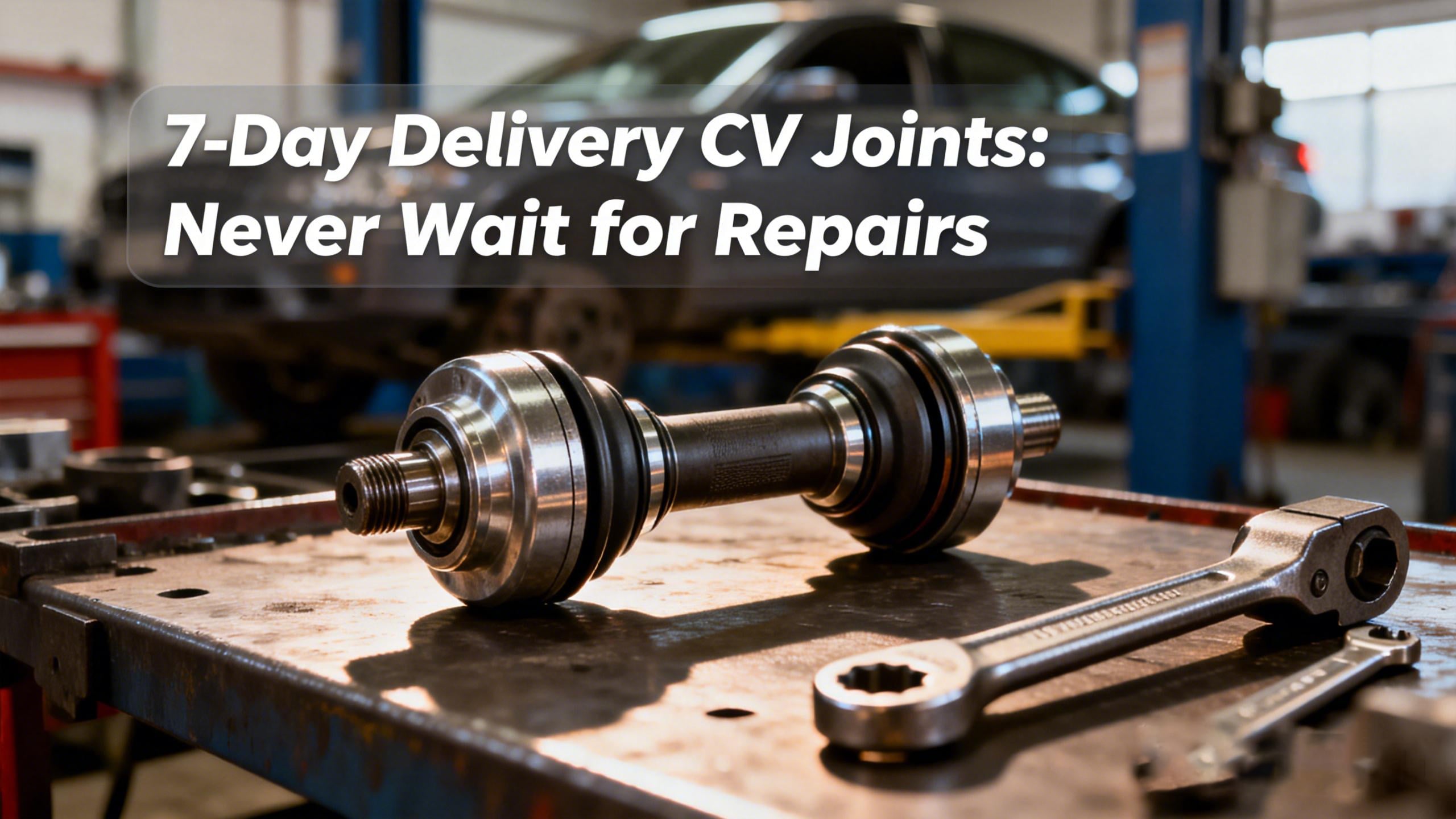
What Is a CV Joint and Why Does It Matter?
The Constant Velocity or CV joint plays a vital role in the drivetrain by sending engine power to the wheels even as the suspension moves and the steering changes direction. What makes these different from regular universal joints? They keep spinning at the same rate no matter what angle they're working at, so there's less shaking and no power gets lost when making turns. This design really improves how cars accelerate smoothly, respond to steering inputs, and maintain good grip on the road. Front wheel drive vehicles benefit especially since their wheels need to turn and move up and down at the same time without causing mechanical issues.
When CV joints fail, they put both driver safety and vehicle performance at risk. Worn out joints tend to create noticeable problems such as vibrations when speeding up, loud clicks during sharp corners, and worst case scenario total loss of power transmission. Mechanics need to grasp how these components work together. Most CV joints have three main parts working in harmony: a metal cage holding everything together, finely machined ball bearings inside, and finally a rubber cover that keeps things sealed. That last part matters a lot actually. A tiny crack in the rubber boot lets precious lubricant leak out while letting in all sorts of nasties from roads including moisture, dirt particles, and corrosive salts which speed up component wear significantly. According to recent industry reports, around one in eight breakdowns happens because of drivetrain issues, and many mechanics will tell you that failing CV joints sit near the top of their list of common repair requests.
Regular maintenance definitely helps things last longer, but eventually parts need replacing because metals get tired and wear down over time. Mechanics should really pay attention to those factory specs when putting components back in place. Even small mistakes like getting something slightly out of alignment or tightening bolts too much or too little can cut the lifespan almost in half. Knowing what signs to watch for makes all the difference. Look out for grease flying around near the wheels, strange vibes while driving between 40 to 60 miles per hour, or that annoying click sound when turning corners slowly. Catching these issues early means fixing them before they turn into big problems down the road.
Common CV Joint Failure Symptoms and Diagnostic Best Practices
Audible, Visual, and Tactile Warning Signs
When a CV joint starts going bad, there are several telltale signs mechanics need to watch out for. The most common early warning is that loud clicking or popping sound when making tight turns, particularly when giving it just a little gas. Technicians should always check those rubber boots carefully for any cracks, holes, or grease coming out. Research shows that when these boots get damaged, the wear on the joint speeds up by around 80%. Drivers might notice vibrations running through their steering wheel or even the floor as they drive faster, which usually means something's off balance inside. Some people report feeling the car shudder when they really floor it too. Regular checks of those boots during routine oil changes could stop nearly three quarters of all early failures before they happen.
Step-by-Step Diagnostic Workflow for Technicians
Follow this systematic approach to confirm CV joint issues:
- Vehicle History & Initial Inspection: Review service records for prior impact damage or boot replacements. Lift the vehicle securely using rated jack stands; visually examine boots and surrounding components for grease residue or physical damage. Rotate wheels manually to feel for roughness or binding.
- Road Test Simulation: With wheels off the ground and transmission in neutral, have an assistant slowly rotate the drive wheel while listening for clicking near the joints.
- Load Testing: Drive the vehicle in tight circles (left and right) under light throttle. Metallic clicking confirms outer joint wear; vibration during straight-line acceleration suggests inner joint issues.
- Component Stress Test: Rule out confounding factors by checking wheel bearings, suspension bushings, and tire balance. A stiff or binding joint during articulation indicates internal seizure.
- Final Verification: Remove the suspected axle if symptoms persist. Manipulate the joint by hand—gritty movement or play exceeding OEM specifications (typically >0.5 mm radial or >1° angular) confirms failure. Never diagnose based solely on noise without isolating the joint.
CV Joint Replacement: Tools, Procedures, and OEM vs. Aftermarket Considerations
Essential Tools and Safety Protocols
When replacing a CV joint, there are certain tools that just can't be skipped and some important safety stuff everyone should know about first. Most shops will need a dedicated CV joint puller, a torque wrench set exactly according to what the car maker says, plus those long pry bars to get the axle out. Some mechanics love using impact wrenches because they speed things up, but watch out - these can really mess up bolts if someone isn't careful with them. Safety comes first though. The car needs to sit on proper jack stands that can handle its full weight. Safety glasses that meet ANSI standards are a must wear, and always remember to disconnect the battery before working around anything connected to the drive train. Spilled grease creates real slip risks, so clean it up right away no matter how small the amount seems. Following all these steps helps prevent accidents while dealing with what's often one of the more physically demanding jobs in automotive repair.
OEM, Remanufactured, and Premium Aftermarket CV Joint Options
When it comes to replacing CV joints, automotive pros have to weigh out the costs against performance pretty carefully. Original equipment manufacturer parts definitely fit perfectly and last longer since they went through all that original vehicle testing stuff, but let's be honest, they come with a price tag that's about 40 to 60 percent higher than other options on the market. Then there are those remanufactured joints made from old OEM parts but upgraded with fresh bearings, cages, and boots. These save around 20 to 30 percent compared to OEM while still holding up well enough for regular passenger cars. Some premium aftermarket brands certified under ISO 9001 standards are getting pretty close to OEM quality too. Recent surveys show that roughly eight out of ten mechanics are happy with these alternatives. What really matters when picking one though? Warranty terms matter a lot, especially how long it lasts and if someone else can claim it later. Also important is figuring out what kind of car we're talking about here, how old it is, and what kind of mileage it typically sees. Getting the right axle spline configuration isn't always easy either, so availability counts for something. And don't forget to check those supplier certifications before making any final decisions.
Preventing Premature CV Joint Failure Through Maintenance and Driving Habits
Boot Integrity Checks and Grease Management
Regular boot inspections are the single most effective preventive measure. Technicians should:
- Examine boots monthly for cracks, tears, or grease leakage
- Replace compromised boots immediately—not just the joint—to prevent contamination
- Verify grease quality during service (discolored or gritty grease signals internal wear)
- Re-lubricate joints using manufacturer-specified grease volumes and type (e.g., molybdenum-disulfide fortified)
Impact of Alignment, Suspension, and Aggressive Driving
How a vehicle moves around really affects how long those CV joints last. When wheels aren't properly aligned, they put uneven pressure on the joints which can lead to problems. The SAE International actually found that misalignment increases the chance of joint failure by about 60%. Old suspension parts like control arm bushings, ball joints, and struts cause extra shaking and stress angles in the system. Driving aggressively puts strain on the joints when torque is transferred through them. Hard turns at speed and lots of slow maneuvers just wear down those joints faster over time. Driving over rough roads or hitting potholes means mechanics need to check those boots more often and top up the grease regularly. Industry data shows cars that follow proper maintenance schedules tend to keep their CV joints working for about 70% longer than ones where nobody pays attention. Mechanics ought to stress regular checks and remind drivers to accelerate smoothly, steer gently, and watch out for curbs if they want these components to stick around as long as possible.
FAQ Section
What are CV joint failure symptoms?
Common symptoms include clicking sounds during tight turns, vibrations when accelerating, and grease leakage near the wheels.
How can I prevent CV joint failure?
Regular boot inspections and proper grease management are key. Avoid aggressive driving and ensure alignment and suspension are properly maintained.
What is the difference between OEM and aftermarket CV joints?
OEM parts fit perfectly and are tested for longer-lasting performance but are more expensive. Aftermarket joints offer similar quality at a lower cost, with varying warranties.
How do mechanics diagnose CV joint issues?
Mechanics follow a systematic approach including visual inspections, road test simulations, load testing, and stress tests to identify CV joint problems.