
 EN
EN



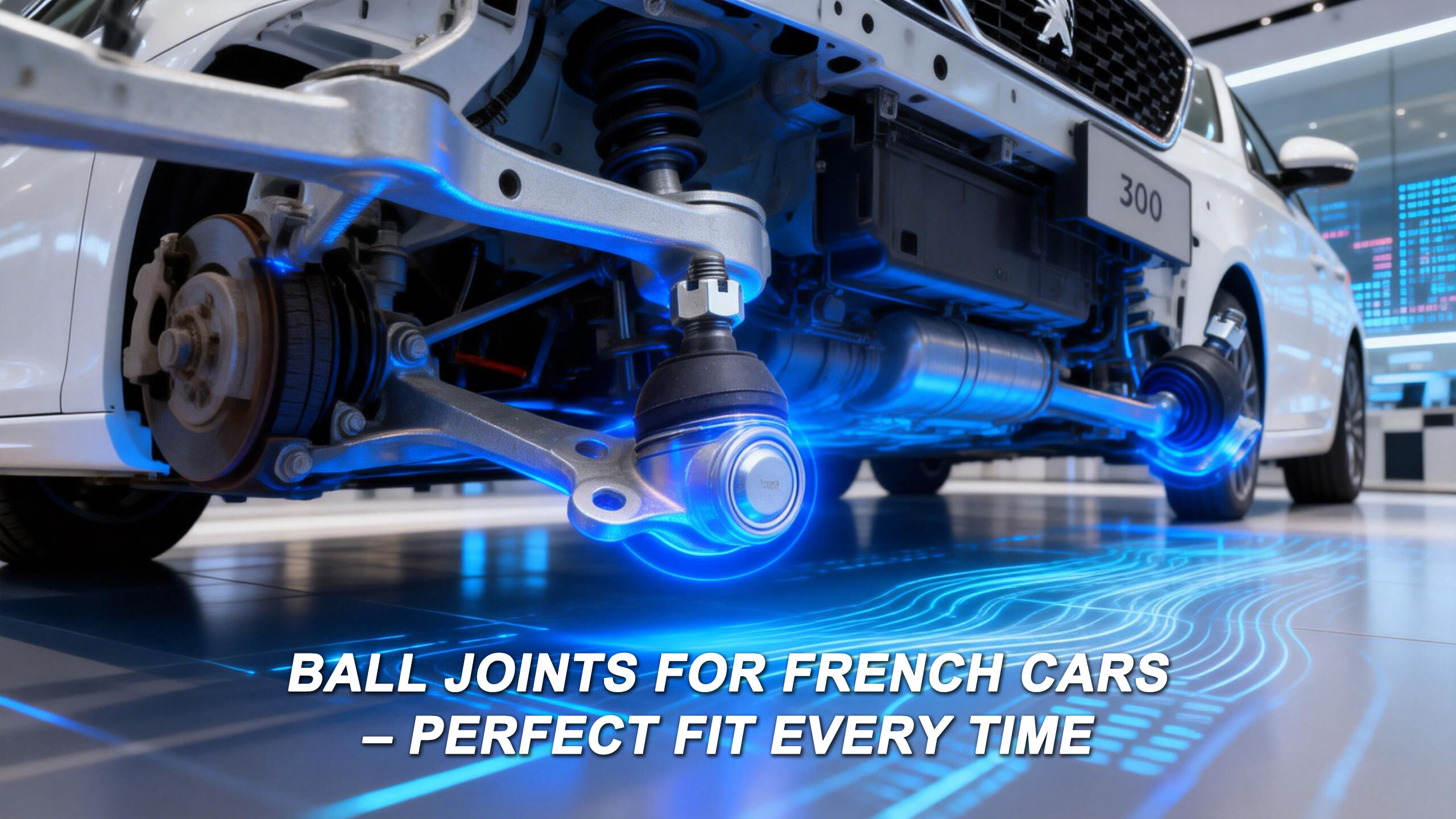
Why French Cars Require Vehicle-Specific Ball Joints
Brand-Specific Suspension Geometry in PSA and Renault Platforms
The French car manufacturers such as PSA (which includes Peugeot and Citroën) along with Renault create different types of suspension systems. The steering angles, pivot points, and how forces are distributed all differ quite a bit from one vehicle platform to another. Standard ball joints just don't cut it when trying to match these exact mechanical movements. Take the Renault Mégane for example it features an upside down knuckle setup that requires much tighter movement allowances compared to what we see in PSA's EMP2 framework. When parts aren't properly matched, they tend to wear out faster. This not only shortens their lifespan but also creates safety issues because the car handles differently than intended.
Bolt-On, Press-In, and Unitized Mounting: Matching OE Design Intent
When it comes to mounting systems, brands really do have their own ways of doing things. Take the Citroen C4 for instance, which relies on those press-in joints that stay put thanks to friction fit. Meanwhile, Peugeot went a different route with their 308 model, opting for bolt-on components that make repairs much easier. And then there's Renault who sometimes builds the ball joint right into the control arm itself as part of one single piece. Messing around with these original equipment specs can cause all sorts of problems. Press fits might not seat properly if done wrong, while bolts could end up too tight or too loose. Either way, we're talking about possible joint failures, annoying noises coming from nowhere, or even worse structural issues down the road. Getting it right means staying within those manufacturer safety guidelines and ensuring parts last as long as they should without causing headaches later on.
Comparing Ball Joint Types Across French Automotive Brands
PSA (Peugeot/Citroën) vs. Renault-Nissan-Mitsubishi: Key Compatibility Differences
The ball joint specs for PSA and Renault-Nissan-Mitsubishi (RNM) platforms are pretty much night and day. Most PSA cars go with bolt-on joints featuring standard taper angles, something mechanics get used to working on regularly. But RNM takes a different approach altogether, using press-fit setups that need just the right amount of interference fit tolerance. When it comes to materials, there's another split. PSA tends to stick with hardened steel for their heavier duty applications, think the Peugeot 308 series. Meanwhile, RNM has been moving toward composite polymer components in models like the Renault Mégane, mainly to cut down on unsprung weight. Mixing these parts between platforms can lead to all sorts of problems down the road including early wear signs, unstable steering response, and even damage to critical components like knuckle alignment systems and ABS sensors. That's why most shops recommend sticking strictly to manufacturer specified replacements rather than trying to save money with generic alternatives that might end up costing more in suspension recalibrations later on.
Greaseable vs. Sealed Ball Joints: Service Life and Maintenance Realities
When deciding between greaseable and sealed ball joints, it really comes down to how much driving someone does and whether they actually maintain their vehicles. The greaseable type lets mechanics add lubricant through those little zerk fittings, which can make them last about 30 to 40 percent longer in cities where cars are constantly stopping and starting at traffic lights. But here's the catch most people forget: these need regular greasing every six months or so. Surveys from Europe show that nearly seven out of ten car owners skip this important maintenance step completely. On the other hand, sealed ball joints don't need any attention for around 80 thousand to 100 thousand miles. That sounds great until the seals inside start breaking down, and then suddenly the whole joint fails without warning. Mechanics often see this happen during routine inspections, leaving drivers with expensive repairs they didn't see coming.
| Factor | Greaseable | Sealed |
|---|---|---|
| Ideal Use Case | High-mileage city driving | Low-maintenance needs |
| Failure Mode | Gradual play increase | Sudden joint separation |
| Cost Efficiency | Higher long-term savings | Lower upfront cost |
For French vehicles navigating cobblestone streets or salted winter roads, sealed units often outperform due to superior corrosion resistance—though greaseable variants remain preferable for commercial fleets with regimented maintenance schedules.
Correct Installation and Fitment Verification for French Vehicles
Torque Specs, Stud Tolerance, and Knuckle Alignment for Peugeot 308, Citroën C4, and Renault Mégane
Getting the installation right means following what the manufacturer says pretty closely. When working on models like the Peugeot 308, Citroen C4 or Renault Megane, there are some key things to check first. The stud diameters should be around 14 to 16 mm according to original equipment specs, and those taper angles need matching too. Don't forget about torque when tightening those knuckle bolts either they generally require between 75 and 85 Newton meters with some thread locking compound applied for good measure. Lastly, make sure the knuckles are aligned properly within half a degree either way by using laser measuring tools. These details might seem small but getting them right makes all the difference in how everything works down the road.
Post-installation validation must confirm:
- Zero axial play when lever-testing the joint
- Smooth articulation without binding across full suspension travel
- Correct preload on dust boots to prevent grease contamination
Skipping fitment verification is a leading cause of joint separation and accelerated wear. A 2023 suspension failure analysis linked 68% of incidents to improper torque application. Always consult model-year—specific service manuals—especially for electric power steering configurations, where clearance margins shrink by 30–40%.
Materials and Design Features That Ensure Long-Term Ball Joint Performance
Cars made in France need special ball joints built from tough materials that can handle rough roads and unpredictable weather. The forged steel parts stay strong even when hit hard, and those case hardened alloy studs don't bend out of shape during tight corners. Sealing systems are pretty important too, with multiple layers of nitrile rubber boots keeping water out. This matters a lot in Europe's damp climate where rust is responsible for nearly 4 out of every 10 suspension problems according to industry reports from 2023. Some newer models have PTFE lined sockets inside which cut down on friction wear by around two thirds compared to old fashioned metal against metal contact points. Mounting areas get treated with zinc nickel plating that actually sacrifices itself to protect other parts from corrosion, making these components last longer than what most factory specs require. All these clever material choices mean better handling and less frequent repairs for drivers of Peugeots, Citroens, and Renaults alike.
FAQ
Why do French cars need specific ball joints?
French cars require vehicle-specific ball joints due to their unique suspension systems and geometry, which differ from one model to another. Standard ball joints may not match the precise mechanical movements needed for these vehicles.
What are the differences between greaseable and sealed ball joints?
Greaseable ball joints can be lubricated and tend to last longer with regular maintenance, making them suitable for high-mileage city driving. Sealed ball joints require no maintenance for a longer duration but may fail suddenly without prior signs.
How important is correct installation of ball joints in French cars?
Correct installation is crucial as it ensures safe handling and longevity of the ball joints. Following manufacturer torque specs and alignment guidelines prevents premature wear, joint failures, and handling issues.