
 EN
EN



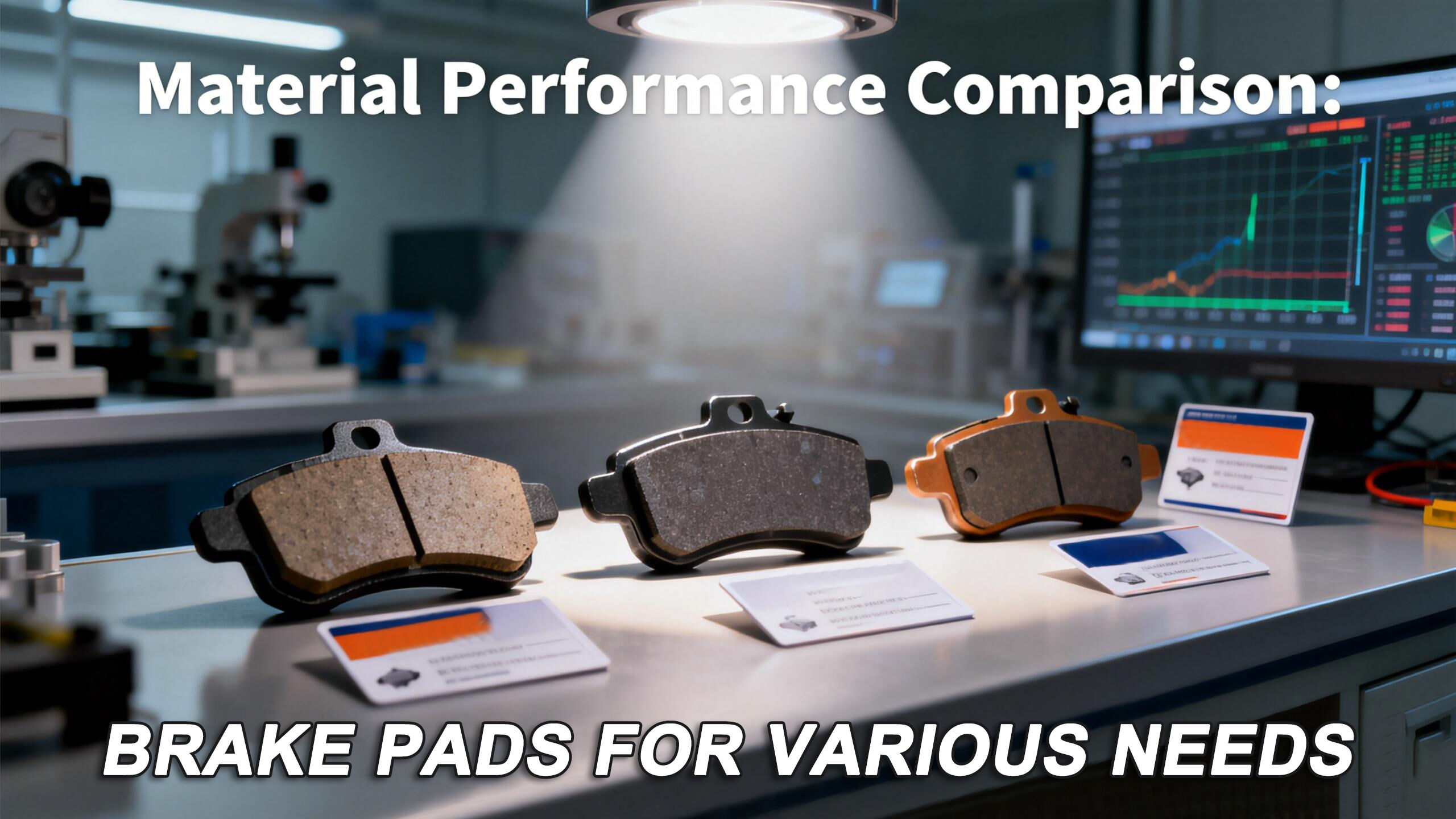
Ceramic Brake Pads: Optimal for Quiet, Low-Dust Daily Driving and EV Applications
How Ceramic Compounds Deliver Superior NVH Control and Rotor Longevity
Ceramic brake pads incorporate copper fiber embedded within ceramic materials, giving them superior control over noise, vibration, and harshness (NVH). These pads can dampen vibrations between 55 and 65 decibels much better than traditional metal ones, making for a smoother ride overall. What makes them stand out is how they interact with rotors. Because they're not abrasive, these ceramic pads cut down on rotor wear by around 30% when compared to semi-metallic alternatives. That means most drivers won't need new rotors until their car hits somewhere between 40k and 70k miles if they drive normally. Another big plus? Ceramic brakes stay consistent even when temperatures fluctuate during braking. Plus, they create way less dust than other types of brake pads. Drivers love this because it keeps wheels looking cleaner for longer periods and means fewer trips to clean off brake dust buildup.
Real-World Validation: Reduced Rotor Wear and Thermal Stability in EV Regenerative Braking Cycles
Ceramic brake pads work really well in electric vehicles because these cars use regenerative braking so much. This means the brakes are constantly dealing with small slowdowns mixed in with those occasional hard stops when drivers need to come to a complete halt quickly. Tests show these ceramic pads keep their grip pretty consistent even when temperatures swing back and forth rapidly across the brake surface, which helps prevent that glazed feeling drivers hate and keeps the brake pedal responding predictably. They also handle heat better thanks to their ability to withstand much higher temperatures before breaking down, plus copper additives help spread out the heat more evenly across the pad surface. After putting them through tens of thousands of simulated regenerative braking scenarios, engineers found that rotor wear was significantly less compared to regular organic pads. That makes ceramic pads especially good choice for electric vehicle manufacturers looking to build cars that last longer between brake jobs while maintaining quiet operation and reducing maintenance headaches for owners.
Semi-Metallic Brake Pads: Best-in-Class Heat Dissipation for Towing, Hauling, and Enthusiast Driving
Steel Fiber Matrix Mechanics: Balancing Friction Coefficient, Fade Resistance, and Rotor Compatibility
Semi-metallic brake pads incorporate 30–65% steel fiber by volume to create robust thermal pathways that rapidly draw heat away from rotors. This design delivers three interdependent advantages:
- Consistent Friction Coefficient: Provides strong, linear bite across operating temperatures—critical for stopping heavy loads or executing repeated aggressive maneuvers.
- Exceptional Fade Resistance: Steel’s high thermal conductivity prevents pad glazing and brake fluid boil-off during sustained high-load scenarios like mountain descents with trailers.
- Rotor Compatibility Considerations: While superior at heat management, their metallic content increases rotor abrasion versus ceramic pads. Pairing them with GG-rated or similarly durable rotors helps mitigate premature wear in high-torque applications.
These traits make semi-metallic pads the preferred choice for trucks, SUVs, and performance-oriented vehicles—where thermal resilience outweighs concerns about noise, dust, or rotor longevity.
NAO (Non-Asbestos Organic) and Low-Metallic Brake Pads: Economical, Comfort-Oriented Solutions for Urban Commuting
Performance Trade-Offs: Softer Bite, Lower Initial Torque, and Higher Dust Generation Explained
The NAO and low metallic brake pads work differently from other types because they use softer materials like rubber, resin, and even some Kevlar fibers. These components help create that nice smooth feel when braking, which makes them great for city drivers dealing with constant starts and stops. But there's always something to give up for comfort. The stopping power isn't quite as strong right away compared to semi-metallic pads, maybe around 15% less torque actually. That means longer stopping distances in those panic situations where every inch matters. Another downside? These pads generate roughly 30% more brake dust than ceramic alternatives, so wheels get dirty much quicker. When it gets hot under the hood, these organic materials start breaking down once temps hit about 300 degrees Celsius. Studies in scientific journals have found that wear increases by nearly half at these higher temps since the resins begin to soften. While they do last somewhere between 30k to 40k miles before needing replacement, that's still about 20% shorter than what someone might expect from premium ceramic or semi-metallic brakes. Still plenty good enough for most everyday drivers looking to save money while getting decent stopping power without all the noise.
High-Performance Carbon-Metallic and Track-Focused Brake Pads: When Extreme Friction Trumps Daily Usability
Cold-Bite Limitations and Wear Rate Implications for Street-to-Track Dual Use
Carbon metallic and ultra high performance brake pads are designed to generate maximum friction when things get hot, usually over 400 degrees Fahrenheit, but they really struggle outside of racing conditions. The problem is these pads need a lot of heat first before they start working properly, which means drivers face serious braking issues when starting out cold. This makes them pretty dangerous for regular morning drives or sudden stops in chilly weather. The aggressive compounds used in these pads wear down much faster than standard street pads, roughly 40 to 60 percent quicker according to tests. They also eat away at rotors because of how materials transfer during temperature changes. When someone tries to use these pads both on track days and daily driving, the lifespan of the pads gets cut nearly in half. Maintenance bills go way up, and the constant noise and vibrations become really annoying on normal roads. At the end of the day, these pads offer incredible performance on circuits but come with real tradeoffs for regular driving situations, safety considerations, and overall wallet impact over time.
FAQ
What are the benefits of ceramic brake pads for daily driving?
Ceramic brake pads offer superior control over noise, vibration, and harshness, extending rotor life by 30% compared to semi-metallic pads. They also produce less brake dust, keeping wheels cleaner for longer.
Why are semi-metallic brake pads suitable for heavy-duty applications?
Semi-metallic brake pads are preferred for their excellent heat dissipation, consistency under heavy loads, and fade resistance, making them ideal for towing and performance driving.
What are the trade-offs of using NAO or low-metallic brake pads?
These pads offer comfort and economical solutions for city driving but have reduced initial torque and generate more brake dust, resulting in more frequent cleaning and shorter lifespan than ceramic pads.
Are high-performance carbon-metallic brake pads suitable for everyday driving?
While they provide exceptional friction under high temperatures, carbon-metallic brake pads perform poorly when cold and wear out faster, making them less practical for daily use.
Table of Contents
- Ceramic Brake Pads: Optimal for Quiet, Low-Dust Daily Driving and EV Applications
- Semi-Metallic Brake Pads: Best-in-Class Heat Dissipation for Towing, Hauling, and Enthusiast Driving
- NAO (Non-Asbestos Organic) and Low-Metallic Brake Pads: Economical, Comfort-Oriented Solutions for Urban Commuting
- High-Performance Carbon-Metallic and Track-Focused Brake Pads: When Extreme Friction Trumps Daily Usability
- FAQ