
 EN
EN


Why No-MOQ Brake Caliper Supply Solves Core Procurement Challenges
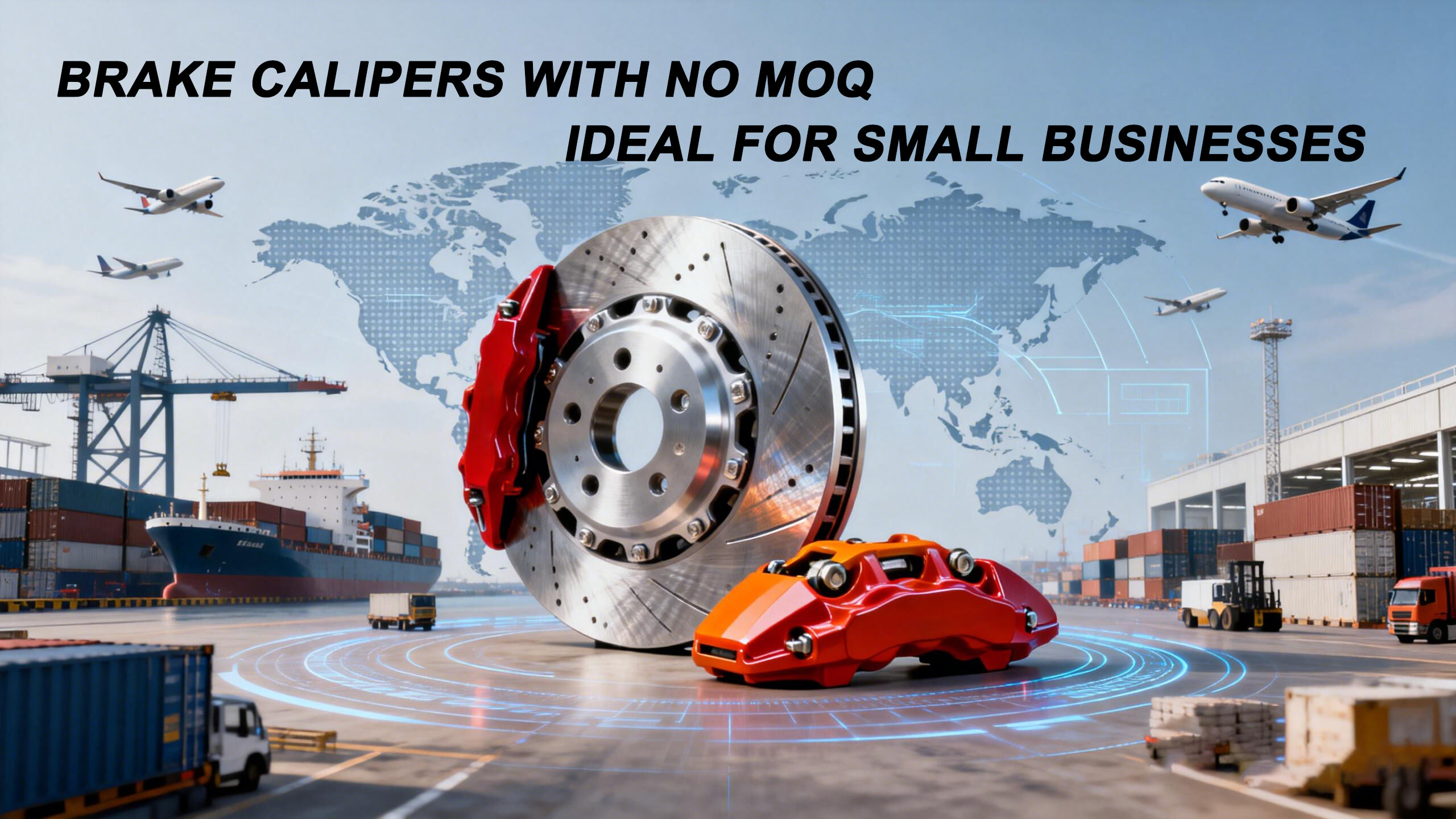
When small auto repair shops can source brake calipers without minimum order requirements, they actually solve two big problems at once inventory management headaches and money tied up in parts that just sit around. Most traditional suppliers want people to buy in bulk, which means either locking away cash on parts that might not sell quickly or running short when business picks up unexpectedly. With no MOQ restrictions, mechanics simply get what they need for each specific job, cutting down on warehouse costs significantly about 28% according to a study from the Automotive Aftermarket Journal last year. Another advantage is being able to respond faster to changing customer needs, particularly since different cars need completely different caliper specs. What really matters though is getting rid of that frustrating all or nothing situation where shops have to commit to large orders right away. Now they can try out high end brands without financial risk first, then decide if those products make sense for their shop. When purchasing matches what's actually needed for repairs, shop owners find themselves spending money on growing their customer base rather than watching inventory collect dust on shelves.
How to Source Reliable Brake Calipers Without MOQ: Verified Channels & Red Flags
Direct-to-Business Suppliers: Vetting OE-Compliant Brake Caliper Inventory
Working directly with suppliers gives faster access to OE spec brake calipers without those annoying minimum order quantity requirements. Always check if they have ISO 9001:2015 certification since this shows their quality control systems are up to standard. One big manufacturer did some checking recently and discovered that nearly 4 out of 10 suppliers without proper certification produced parts with serious size issues. Make sure to ask for paperwork showing where materials came from and which production batch each part belongs to. This helps avoid fake products, something that became really problematic according to last year's Automotive Aftermarket Security Report. Before shipping anything, insist on seeing actual samples to test. Watch out for suppliers who make broad compliance statements they can't back up, won't show detailed fit charts for specific vehicles, or get defensive when asked about outside inspections.
Dropshipping vs. Local Distributors: Lead Times, Certification, and Return Flexibility
| Channel | Average Lead Time | Certification Validation | Return Flexibility |
|---|---|---|---|
| Dropshipping | 5–10 days | Limited due to blind shipping | High restocking fees |
| Local Distributors | 1–3 days | ISO/TS 16949 evidence available | 30-day no-fault returns |
While dropshipping cuts down on overhead costs, it creates headaches when it comes to getting proper certifications sorted out. According to NASTF data from last year, barely 12 percent of customers actually get all their compliance papers before receiving products. That's a big problem for anyone needing proof of standards compliance. Local distributors tend to handle fitment problems much quicker. Most shops (around three out of four) will stand behind their parts compatibility claims if something doesn't fit right. When looking for good partners, make sure they can show actual material testing reports, have clear policies about who pays for damaged goods, and offer straightforward ways to check against original equipment manufacturer part numbers. Watch out for sellers whose delivery schedules keep changing or those who suddenly charge extra when things arrive in bulk quantities. These red flags often indicate deeper operational issues that could cost time and money down the road.
Ensuring Quality and Compatibility When Ordering Brake Calipers with No MOQ
Traceability, ISO/TS 16949 Compliance, and Vehicle-Specific Fit Verification
Being able to track every brake caliper back to its original production batch isn't just good practice it's absolutely necessary for safety reasons and accountability purposes. When problems do occur, this kind of traceability makes recalls much faster and reduces downtime significantly. Meeting ISO/TS 16949 standards means manufacturers stick to strict automotive quality processes when selecting materials, running tests, and keeping records. These standards cut down on failures during intense braking situations. Checking that the calipers fit properly for specific vehicles is just as important. Always cross reference with reliable compatibility databases to ensure they work with the particular truck make, model, and year. Getting the fit wrong leads to all sorts of issues from reduced stopping power to parts wearing out too fast or even getting damaged. Measure carefully and whenever possible install them for testing first. Focusing on traceability, proper certification, and exact fitting creates reliable systems while still allowing room for needed adjustments in different applications.
FAQ Section
What are the advantages of sourcing brake calipers with no MOQ?
Sourcing brake calipers with no minimum order quantity (MOQ) solves inventory management issues and reduces capital tied up in stock. It also allows shops to respond quickly to customer needs without committing to large, risky orders.
How can suppliers be vetted to ensure reliable brake caliper sourcing?
Suppliers should have ISO 9001:2015 certification and provide clear documentation of material sourcing and production batches. Samples should be tested for quality and fit, and suppliers should be transparent about compliance and inspection standards.
What are the differences between dropshipping and local distributors for brake calipers?
Dropshipping may have longer lead times and limited certification validation with high restocking fees, while local distributors offer quicker delivery, available certification evidence (ISO/TS 16949), and more flexible return policies.
Why is traceability important in brake caliper procurement?
Traceability ensures safety and accountability, allowing for quick recall processes and reducing downtime. It confirms compliance with stringent quality standards and proper fitment for specific vehicle needs.