
 EN
EN



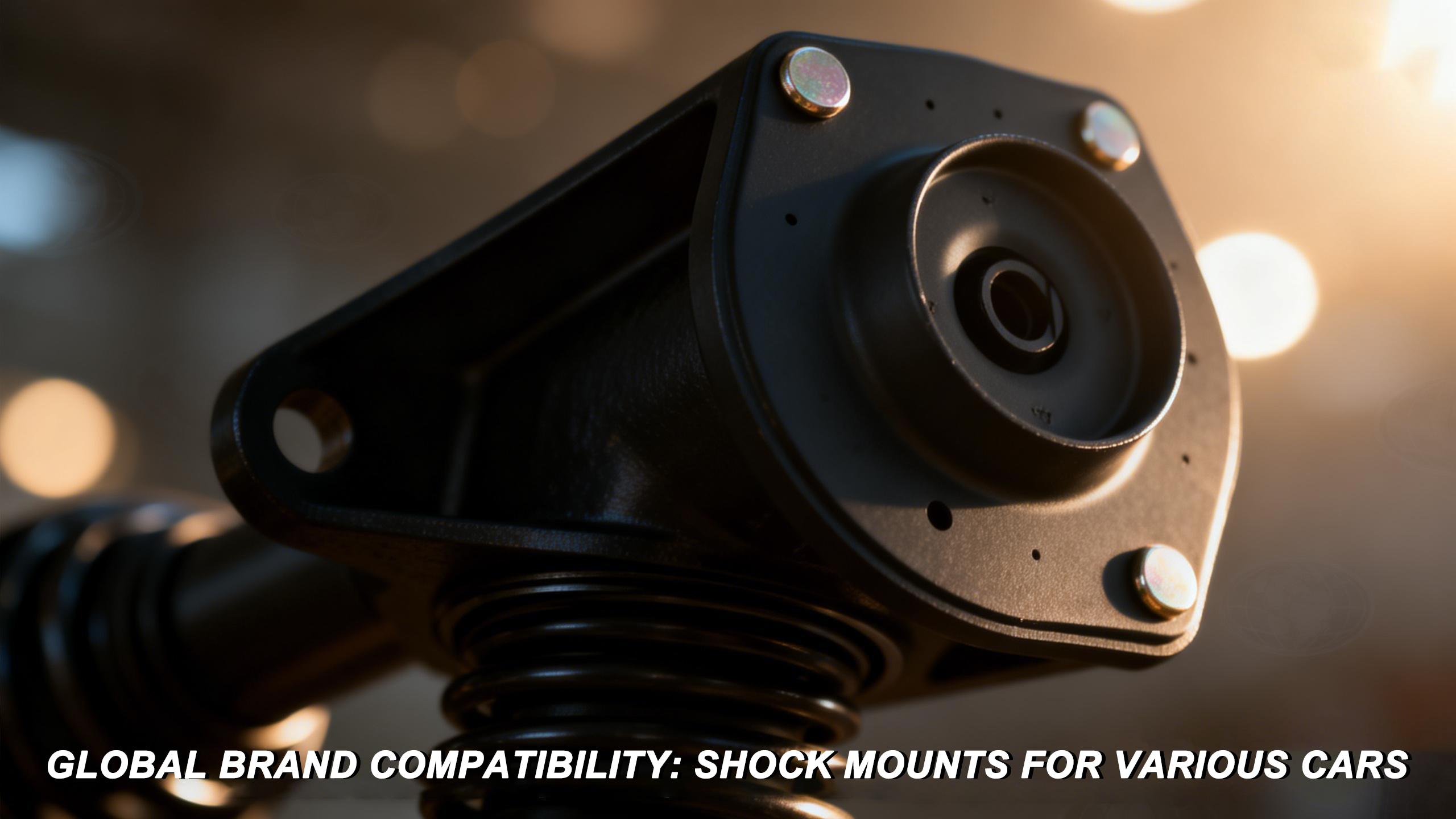
Why Universal Shock Mounts Fail: Engineering Constraints by Vehicle Platform
Universal shock mounts promise broad compatibility but consistently fail under real-world engineering scrutiny. Vehicle platforms exhibit fundamental design divergences—particularly in geometry and load management—that universal solutions cannot accommodate, leading to premature failure and safety risks.
Geometric Tolerances and Frame Rail Variability Across Generations
The position of frame rails can differ by about plus or minus 15 millimeters between different vehicle models according to SAE J670:2023 standards, which leads to serious alignment issues. Standard shock mounts simply don't have enough adjustment range to handle these dimensional differences. When they're forced into place, several problems arise including binding as the suspension moves, early wear on bushings because of angle stress, and faster development of fatigue cracks at the mounting spots. Take the Ford F-150 for instance. A shock mount made for the 2020 version shows around 22 percent more stress buildup when put on a newer 2023 model. This happens because the actual shape of the frame rails has changed over time.
Load Path Misalignment Risks in Cross-Platform Installations
Shock force vectors that stray more than 3 degrees away from what's specified in design specs (as noted in Automotive Engineering International back in 2023) can really mess things up for universal mounts. What happens is these misaligned forces send vibrations straight into the cabin area, put extra strain on nearby suspension parts, and make Noise, Vibration, and Harshness (or NVH as engineers call it) jump anywhere between 8 to 12 decibels louder than normal. Take GM's GMT K2XX truck platforms for example they need those special 17 degree offset eyes to handle loads correctly something that just doesn't work well at all with how Jeeps are built to handle vertical loads. Trying to install parts across different vehicle platforms often ends badly too, since the mounts tend to come loose when subjected to those rebound forces during operation.
Shock Mount End Types and Brand-Specific NVH Requirements
Bushed vs. Spherical Eyelets: Balancing Durability and Ride Quality by Brand Segment
Eyelets with bushes made from rubber or polyurethane materials focus on reducing noise, vibration and harshness by absorbing road shocks, which makes them popular in cars where passenger comfort matters most. On the other hand, spherical eyelets rely on metal touching metal connections that make them about 40 percent tougher under heavy loads according to those 2023 suspension tests, though they do send around 15 to 20 percent more vibration into the car frame. Most performance car manufacturers go for these spherical types because they offer better control even though it comes at the cost of some extra road feel. Meanwhile budget models stick with the bushed versions. What material gets used also affects how long things last. Polyurethane bushings typically hold up well past 70 thousand miles for regular driving conditions, whereas spherical joints need occasional greasing but can handle extended time on race tracks without failing.
Stem, Stud, and T-Bar Configurations in Domestic Muscle Cars vs. Japanese Performance Platforms
Most American muscle cars stick with T-bar or stem shock mounts because they need something strong enough to handle all that power. These T-bar designs spread out the stress across the frame rails, which is really important when dealing with live axles that see over 500 lb-ft of torque regularly. Over in Japan, manufacturers go a different route altogether. They tend to use smaller stud mounts instead since their cars have these complex multi-link suspension systems where every inch counts. The difference in geometry between these approaches makes swapping parts from one system to another pretty much impossible without some serious modifications.
| Configuration | Domestic Muscle Priority | Japanese Performance Priority |
|---|---|---|
| Stem | Axle stability (¥8mm stem diameter) | Weight reduction (¤6mm stems) |
| Stud | Limited use | Primary in MacPherson struts |
| T-Bar | Standard in solid axles | Rarely implemented |
Misaligned installations risk NVH spikes: forcing T-bar mounts into stud-based chassis amplifies road noise by 12 dB. Oversized domestic stems induce binding in lightweight Japanese subframes, accelerating bushing wear.
Resolving Cross-Brand Shock Mount Gaps in High-Demand Applications
Hot Rods and Third-Gen Camaros: Where OEM Fragmentation Creates Custom Shock Mount Demand
The way different platforms are engineered creates ongoing problems with shock mount compatibility in popular restoration projects. Take Third Generation Camaros from 1982 to 1992 for instance these cars account for about a quarter of all classic car restorations happening across America right now. But there's quite a difference in how their suspensions work depending on whether it's a basic model or something special like a Z28. When original equipment manufacturers stop making certain parts after around ten to fifteen years, that's when the aftermarket really starts to pick up steam. And things get complicated because modern shock mounts behave differently than those old rubber ones did back in the day. Classic car enthusiasts who try to combine vintage frames made before 1965 with today's shocks often run into trouble too. The mismatch can actually increase vibration wear by almost three quarters compared to properly matched systems. All this means custom shock mounts have become absolutely necessary for many builds. Component specialists need to copy the original movement patterns while also finding better materials that last longer and provide a smoother ride overall.
Selecting the Right Shock Mount: A Practical Compatibility Framework for B2B Buyers
Choosing the correct shock mount requires a systematic approach to avoid costly failures. Shock mount incompatibility causes an average of $740,000 in repair costs per incident (Ponemon Institute, 2023). B2B buyers should prioritize these factors:
- Platform-Specific Fit: Verify bolt patterns, frame rail dimensions, and weight limits for your vehicle generation
- Material Durability: Assess corrosion resistance and fatigue life under expected load cycles
- NVH Performance: Match bushing type (rubber/polyurethane/spherical) to brand-specific vibration thresholds
- Installation Safety: Confirm clearance for suspension articulation and anti-loosening features
- Total Cost Analysis: Compare warranty coverage against lifecycle replacement frequency
- Supplier Validation: Require ISO 9001 certification and third-party test reports
This framework reduces cross-platform mismatch risks by 68% in commercial fleets.
FAQ
Why do universal shock mounts fail?
Universal shock mounts generally fail due to geometric tolerances and load management requirements that vary significantly across different vehicle platforms. They cannot effectively accommodate these variations, leading to premature failure and safety risks.
What are the consequences of installing misaligned shock mounts?
Misaligned shock mounts can lead to increased vibrations, extra strain on suspension components, and enhanced noise, vibration, and harshness (NVH) levels. This increases the wear and tear on vehicle components and reduces ride quality.
How can B2B buyers ensure they select a compatible shock mount?
B2B buyers should verify the platform-specific fit by checking bolt patterns and frame dimensions, ensure the material durability, match NVH performance to brand standards, and validate suppliers for certifications and test reports.