
 EN
EN



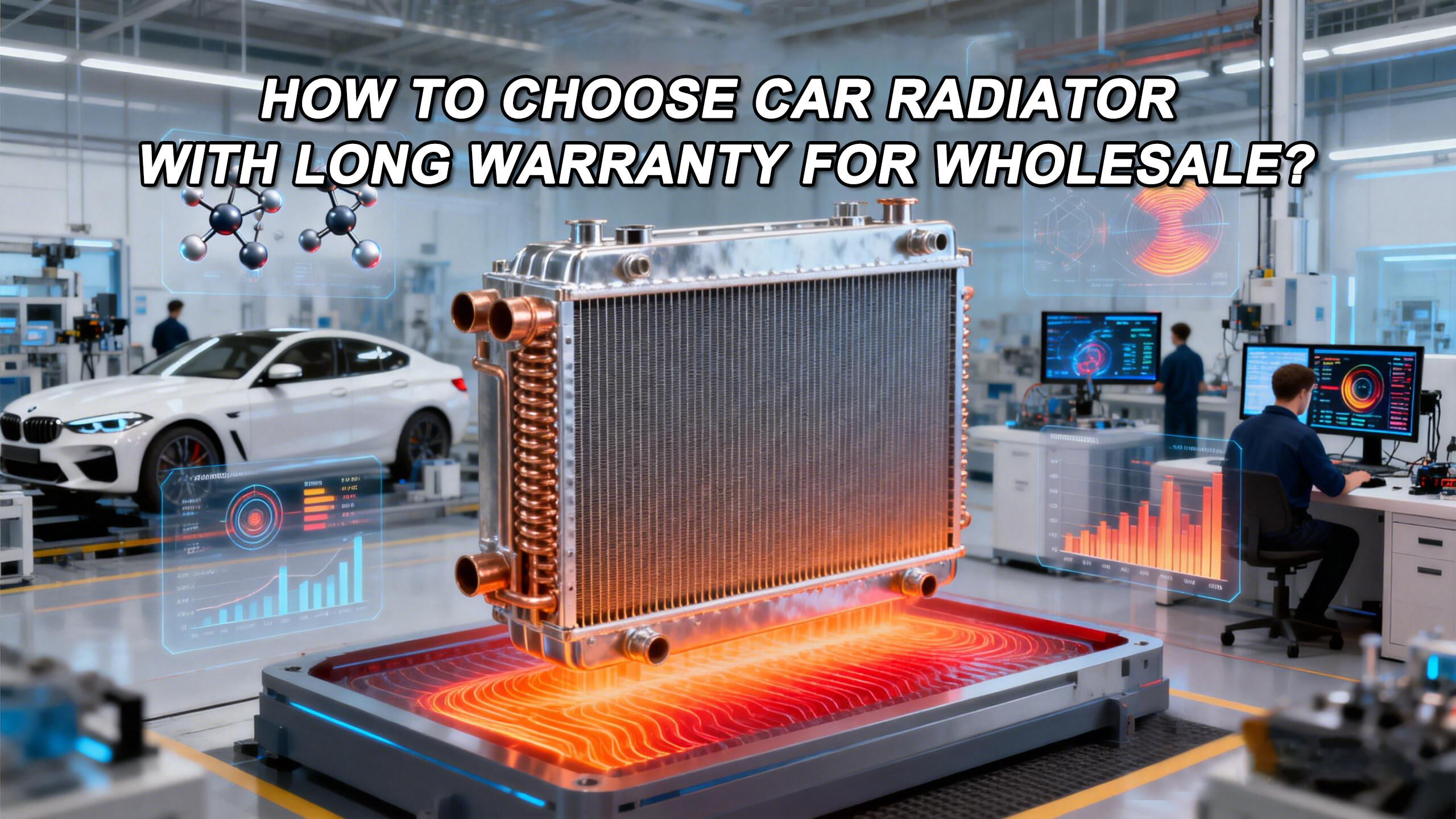
Why Warranty Length Matters in B2B Car Radiator Procurement
Beyond Marketing: How Warranty Duration Reflects Real Manufacturing Confidence
For wholesale buyers, long term warranties aren't just fancy marketing stuff they actually show how serious manufacturers are about their products and what engineers believe in. Most radiators that come with 5 to 10 year guarantees go through pretty strict production checks. Think about things like automatic pressure tests, complete tracking of materials used, and heat cycle tests that run way past 10 thousand cycles before anyone signs off on the warranty period. All these extra steps really cut down on early failures. Looking at suppliers? Focus on companies where the length of their warranty matches real quality documentation instead of just being something tacked onto sales pitches. A good warranty means someone stands behind their work when it matters most.
The Link Between Warranty Terms and Total Cost of Ownership for Fleets and Repair Shops
Extended warranties significantly lower total cost of ownership (TCO) across fleet and repair shop operations. Fleets replacing radiators every 3–5 years incur recurring parts and labor costs averaging $740 per unit (Ponemon Institute, 2023). A 7-year warranty cuts these expenses by up to 60% through three key mechanisms:
- Eliminated replacement cycles, reducing unplanned downtime
- Predictable budgeting, with fixed-cost coverage over the warranty term
- Labor savings, as supplier-covered claims remove technician time from warranty-related repairs
For repair shops, longer warranties also mitigate customer attrition—34% of which stems from repeat repairs (Aftermarket Business Report, 2024). Choosing warrantied radiators transforms unpredictable failure risk into a managed, scalable operational cost.
Evaluating Car Radiator Warranty Coverage—What Wholesalers Must Verify
Coverage Scope: What’s Included (Leaks, Cracks, Core Failure) vs. Common Exclusions
Getting a handle on warranty evaluations begins with knowing exactly what's covered. Good warranties usually cover things like leaks, cracks, and core failures these are the main problems we see in radiators for vehicles that get a lot of miles on them. But don't forget about what's not covered either. A surprising number of claims get rejected because of stuff like regular wear and tear, bad installation jobs, or when the coolant gets contaminated. Industry data from last year shows this accounts for around 25% of all denied claims. For wholesalers looking out for their interests, it's important to check if the warranty actually makes a clear difference between genuine manufacturing flaws versus customer mistakes. And always get everything in writing before signing anything away. Paper trails save headaches later when trying to sort out who is responsible for what.
Warranty Transferability, Claim Process Efficiency, and Supplier Support Infrastructure
The ability to transfer warranties makes all the difference in wholesale distribution work. When products can smoothly pass from one party to another, repair shops and customers benefit, which actually boosts resale values and builds trust across the supply chain. What many distributors overlook is how fast claim processing matters just as much. The best suppliers get this right away, fixing issues within two days and having someone available at any hour for technical questions. According to recent industry reports from last year, companies that handle repairs quickly cut down on delays by around 35%. For businesses buying in large quantities, this means fewer disruptions to operations and better protection of their professional image when clients need fixes done promptly.
Supplier & Product Qualification: Certifications, Build Quality, and Warranty Reliability
OEM vs. Premium Aftermarket Car Radiators: Warranty Alignment with Material Standards and Testing
The length of a warranty really tells us something about the actual quality of materials used, not just marketing claims from brands trying to stand out. Original Equipment Manufacturer (OEM) radiators go through all sorts of standard checks before they hit the market. Take corrosion testing for instance, which typically runs around 1,500 hours under controlled conditions. Their warranty periods are set based on how long vehicles generally last in real world situations. What's interesting is that many high quality aftermarket companies are starting to keep pace with these same standards. Their best products feature aluminum cores similar to what we see in aircraft manufacturing, meeting specific industry standards called SAE J1637. These cores can handle about 30 percent more pressure cycles compared to cheaper options on the market. This kind of performance makes it possible for manufacturers to offer genuine 5 year warranties without cutting corners on profits. For wholesale distributors looking to minimize returns, insisting on independent testing documentation showing how well these parts resist sudden temperature changes and repeated stress over time will help predict which products actually perform reliably in customer hands.
Key Build Indicators—TIG Welding, Brazed Cores, ISO/TS 16949 Certification—that Extend Effective Warranty Life
The real world performance of warranties depends heavily on how something is built, not just what's written in the fine print. Take TIG welding for instance. This method creates joints that are about 2.5 times stronger compared to those made with epoxy. According to a study published in the Automotive Cooling Journal last year, this strength difference actually cuts down on core separation problems by around 72%. Another key factor? Brazed aluminum cores. These components handle heat much better and they don't crack as easily when subjected to vibrations during operation. What really matters though is working with manufacturers who have ISO/TS 16949 certification. Facilities with this certification maintain tighter control over their production processes. The result? About 40% fewer defective units coming off each production line. When companies focus on these construction details, customers tend to trust them more. And from a business standpoint, there's less need for replacements across large product volumes, which saves money in the long run.
Wholesale-Specific Factors: MOQ, Logistics, and Warranty Integration into B2B Contracts
When dealing with wholesale purchases, whether a product warranty actually works out depends heavily on three main things that all connect together. Let's start with minimum order quantities or MOQs. These basically set the stage for getting better warranty deals from suppliers. Some companies have these tiered systems where if you buy more stuff, they'll give longer warranty periods or help fix problems faster when claims come in. Then there's the whole issue of how products get shipped. Packaging matters a lot here. We've seen plenty of cases where boxes got crushed, temperatures went outside safe ranges during transport, or just plain rough handling caused damage that wiped out warranty coverage completely. The Ponemon Institute reported last year that around 740 thousand dollars worth of warranty claims each year stem directly from shipping mishaps. Lastly, smart businesses make sure their contracts include all the right details about transferring warranties to customers, setting realistic time limits for resolving claims, and who exactly handles replacing parts when needed. Getting these three areas right helps avoid most headaches down the road and keeps those total cost of ownership numbers looking good over time.
FAQ Section
What should wholesalers verify when evaluating radiator warranty coverage?
Wholesalers should verify what specific damages are covered under the warranty, such as leaks, cracks, and core failures. They should also check for common exclusions like regular wear and tear, poor installation, and coolant contamination. Ensuring clear documentation distinguishes genuine manufacturing defects from user errors is essential.
How does warranty length impact total cost of ownership (TCO) for fleets and repair shops?
Extended warranties reduce TCO by eliminating frequent replacement cycles, enabling predictable budgeting with fixed costs, and saving labor costs as warranty claims are covered by suppliers. This helps fleets and repair shops manage operational costs efficiently.
What factors enhance warranty reliability and reduce claims in B2B contracts?
Ensuring suppliers have certifications like ISO/TS 16949, insistence on high-quality building techniques (e.g., TIG welding, brazed cores), and effective logistics and MOQ agreements can enhance warranty reliability. This minimizes defective units and reduces the likelihood of claims.
Table of Contents
- Why Warranty Length Matters in B2B Car Radiator Procurement
- Evaluating Car Radiator Warranty Coverage—What Wholesalers Must Verify
- Supplier & Product Qualification: Certifications, Build Quality, and Warranty Reliability
- Wholesale-Specific Factors: MOQ, Logistics, and Warranty Integration into B2B Contracts
- FAQ Section