
 EN
EN



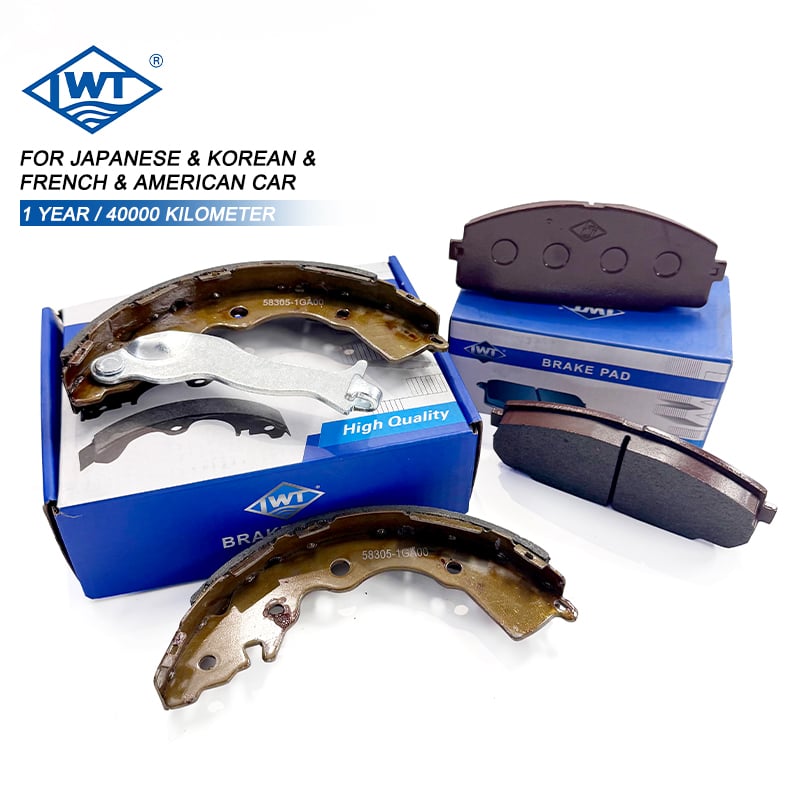
Verify Factory Credibility and Compliance for Brake Pad Sourcing
Conducting On-Site or Third-Party Factory Audits and Sample Validation
Manufacturers should really focus on conducting thorough audits before going ahead with large orders of brake pads. These independent checks look at several critical aspects across production facilities including where materials come from, how they're stored, whether the friction mix stays consistent batch after batch, and if all the quality records are properly maintained. After these initial assessments, samples get put through their paces against specific technical requirements like how well they withstand shearing forces, handle heat exposure, and maintain proper dimensions throughout manufacturing. According to data from the Automotive Safety Report published last year, plants that don't pass these sample tests tend to produce parts with defects at nearly double the rate during full scale production runs. The smart approach combines outside evaluations with actual site visits so companies can see firsthand how transparent operations really are and gauge whether workers follow procedures consistently day after day.
Understanding IATF 16949 and ECE R90 Certification: What They Mean for Brake Pad Market Access
IATF 16949 confirms a supplier’s systemic quality management capability—covering process control, failure-mode analysis, and continuous improvement—specifically for automotive components. ECE R90 mandates performance thresholds for aftermarket brake pads across 48 countries, including the EU, UK, and Turkey. Non-certified suppliers face restricted market access and elevated liability exposure.
| Certification | Impact |
|---|---|
| IATF 16949 | Enables OEM partnerships through robust defect prevention systems |
| ECE R90 | Grants legal market access in regulated regions and reduces liability risk by 41% |
Over 78% of Tier-1 automakers require IATF 16949 for brake pad sourcing. Together, these certifications signal adherence to global safety standards and significantly lower recall probability.
Assess OEM/ODM Manufacturing Capability for Brake Pad Production
Evaluating Proven Experience in OEM, OES, and Global Aftermarket Brake Pad Supply
Experience with OEM and OES work, especially when supported by years of contracts with major car companies, really shows how technically mature and dependable a manufacturer is. Look at their certifications first, things like IATF 16949 are pretty standard these days. Check what regions they've operated in before too EU, North America, ASEAN markets all matter differently. Production flexibility matters as well. Can they handle different friction materials? Ceramic options, semi metal types, those low copper versions that many places require now? Good suppliers usually keep lead times around 15 to 30 days which makes sense for most businesses. Minimum order quantities typically range between 500 and 2,000 units for after market deals. And don't forget to compare what clients say about them against actual SAE J2522 dynamometer tests. Real world results count more than just what looks good in lab conditions.
R&D Infrastructure and Customization Options: Private Label vs. High-Volume OEM Brake Pad Runs
Advanced R&D infrastructure separates capable suppliers from commodity vendors. Look for in-house capabilities including:
- Material innovation labs testing fade resistance at sustained temperatures above 650°C
- NVH (noise-vibration-harshness) simulation chambers validating noise suppression under variable rotor conditions
- Rapid mold development for custom backplate geometry and rotor-specific shim integration
When setting up private label programs, look for suppliers who can tweak formulations according to specific needs such as copper free options, low dust versions, or those designed for high torque applications. These companies often require minimum order quantities ranging from around 1,000 to 5,000 sets before they start production. For larger scale OEM manufacturing projects, businesses need suppliers equipped with fully automated production systems that track every step of the process. These advanced facilities typically handle over 50 thousand units each month. An important factor worth considering is whether potential partners have their own in house testing laboratories certified under ISO/IEC 17025 standards. According to research published in Automotive Testing Journal last year, having this capability on site cuts down on delays caused by external validations by approximately 40 percent. This means products reach the market faster while still meeting all necessary quality checks.
Implement Rigorous Quality Assurance Across Bulk Brake Pad Orders
End-to-End QC Protocols: From Raw Material Traceability to Dynamometer Performance Testing
Quality control starts with knowing where everything comes from. Each batch of friction material, steel backing plate, and those little anti-rattle shims needs to have papers showing they came from approved sources. We run metal tests on them too, following ISO 9001 standards so there's no guesswork involved. While making the parts, we keep an eye on temperatures during sintering and track how much pressure gets applied when shaping the components. Nothing gets past us without proper records. Once finished, brake pads go through serious testing according to SAE J2522 guidelines. They simulate over 1,200 actual brake applications to see how well they hold up under heat. At 650 degrees Fahrenheit, most good pads will only lose around 15% effectiveness before cooling down again. We measure how fast they recover their stopping power too. The combination of thorough documentation for raw materials plus these real world stress tests has cut down problems reported in the field by nearly two thirds according to recent industry reviews.
Optimize Wholesale Logistics, MOQs, and Scalable Brake Pad Sourcing
Getting a steady supply of quality brake pads depends heavily on how flexible minimum order quantities are and having smart logistics in place. Top suppliers usually have different MOQ levels ranging from around 500 to 1,000 units for smaller private label orders all the way up to over 50,000 units when dealing with original equipment manufacturers. This tiered approach lets companies plan their inventory better without breaking the bank. When it comes to shipping, streamlined operations make a big difference. Consolidating containers, using bonded warehouses strategically, and getting documents sorted out before customs checks can shave about 30% off typical lead times and cut freight expenses by nearly a quarter according to recent industry benchmarks. Companies looking to scale should definitely work with partners that have warehouses spread across multiple regions and established relationships with local distributors. This setup helps maintain regular deliveries even when there's a sudden surge in demand, keeping just-in-time inventory systems working smoothly across major markets like North America, Europe, and Asia-Pacific.
FAQ Section
-
Why is it important to conduct factory audits for brake pad sourcing?
Factory audits help ensure production facilities meet standards for material sourcing, storage, and consistency, reducing defect rates. -
What are the main certifications for brake pad suppliers?
IATF 16949 and ECE R90 are key certifications that validate quality management and performance thresholds for market access. -
How do suppliers prove their manufacturing capabilities?
Suppliers demonstrate experience through certifications, regions served, production flexibility, and adherence to testing protocols like SAE J2522. -
What role does R&D infrastructure play in brake pad supply?
Advanced R&D facilities enable customization, material testing, and rapid mold development, separating capable suppliers from commodity vendors. -
How does quality assurance affect brake pad orders?
Quality control involves tracing raw materials and rigorous dynamometer testing to ensure product effectiveness and minimize field problems. -
What are some logistics strategies for brake pad sourcing?
Flexible minimum order quantities, optimized shipping, and strategic warehousing contribute to efficient, scalable sourcing systems.