
 EN
EN



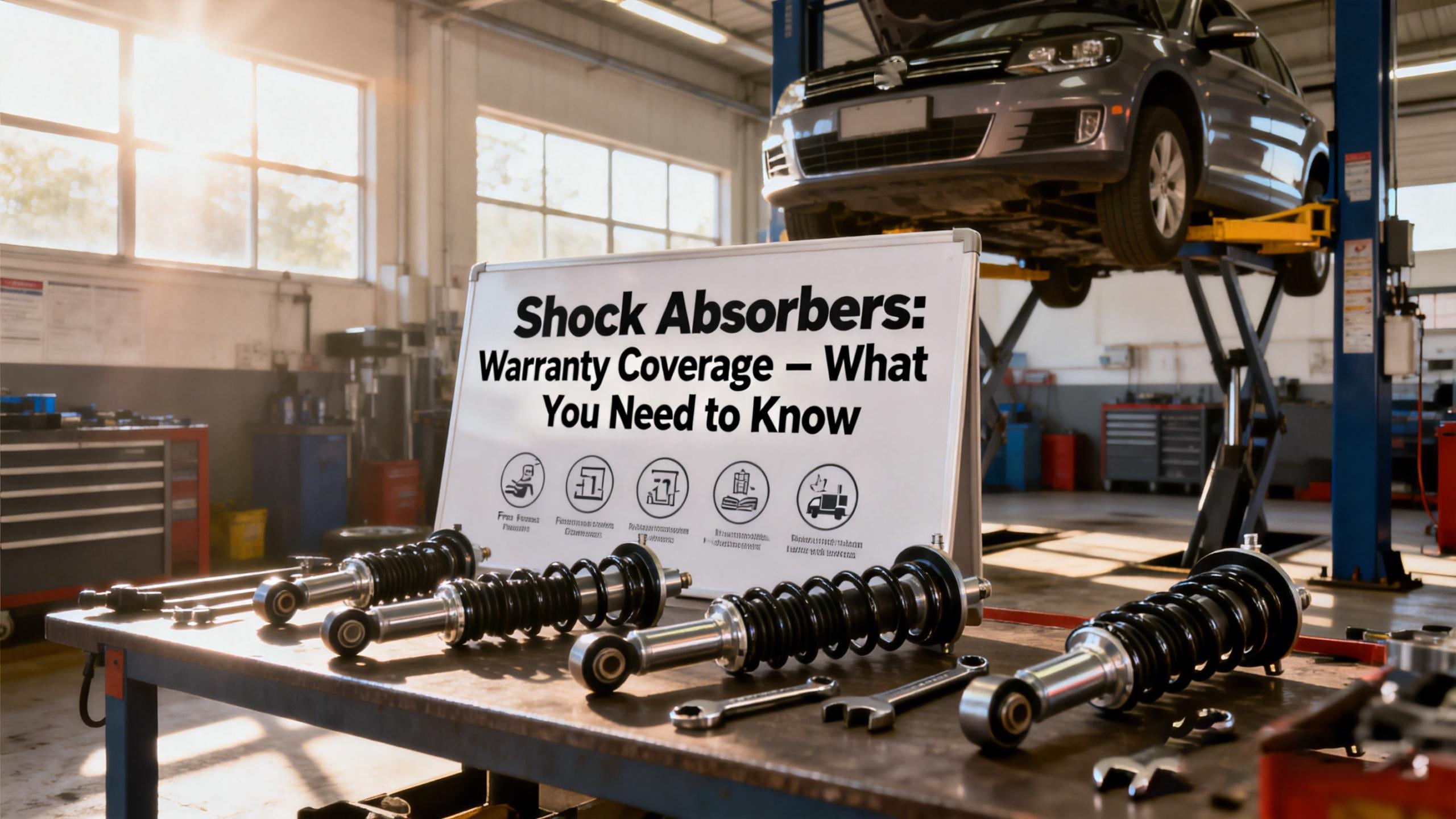
How Long Do Shock Absorbers Last – And What Does the Warranty Actually Cover?
Shock absorbers typically last 50,000–100,000 miles under normal driving conditions – roughly 5–10 years – depending on road quality, vehicle load, and driving habits. Premature failure often signals underlying suspension or alignment issues that warrant professional inspection.
Standard Factory Warranty Terms: Duration, Mileage Limits, and Transferability
The majority of car manufacturers typically provide warranties lasting anywhere from one to three years, with mileage limits ranging somewhere around 12k to 36k miles. What these warranties actually cover is pretty limited though - they're meant for factory defects like broken parts housing or bad seals, not normal wear and tear that happens over time just from driving regularly. Most warranty agreements can't be transferred to new owners either, and there's a good chance it will get voided if someone installs aftermarket parts themselves, doesn't follow proper installation procedures, or takes the vehicle off road where it wasn't intended to go. For anyone planning on making a warranty claim down the line, keeping all those original receipts from when the car was bought plus any paperwork showing professional installations done properly becomes really important evidence to have handy.
Brand-Specific Shock Absorber Warranties: Bilstein (Lifetime), KYB (2-Year), Monroe (90-Day) – Real-World Implications
- Lifetime policies (e.g., Bilstein) apply only while the vehicle remains in service and require documented proof of a manufacturing defect – not wear-related fluid leaks or diminished damping performance.
- Mid-term coverage (e.g., KYB’s 2-year warranty) demands claims within strict timeframes and often requires a mechanic-certified report confirming defect origin.
- Short warranties (e.g., Monroe’s 90-day policy) necessitate immediate post-installation verification; defects must be identified and reported before expiration.
Enforceability hinges on strict adherence to claim procedures – and avoiding exclusions like misuse, modification, or incomplete documentation.
Manufacturing Defect vs. Normal Wear: The Critical Line in Shock Absorber Warranty Claims
Valid Defects: Seal Failure Before 15K Miles, Structural Cracks, or Fluid Leakage Due to Faulty Assembly
Most warranties actually only apply when there's a real manufacturing problem something that went wrong during the actual making of the product. Think things like seals giving out before 15k miles are hit, those annoying cracks showing up on the outside casing, or fluids leaking because parts were put together incorrectly at the factory. These kinds of issues tend to pop up pretty soon after purchase and really stand out compared to how everything should normally work. If someone wants their warranty claim approved though, they'll need documentation from a qualified mechanic who can clearly show that whatever broke down was due to a manufacturing flaw rather than just regular wear and tear from everyday use. The paperwork has to be pretty solid too since companies look closely at these reports before deciding whether or not to honor claims.
Why Leaking, Reduced Damping, and Seal Degradation Are Typically Excluded as Expected Wear-and-Tear
Most people don't realize that issues like leaking fluid, reduced damping effect, and worn out seals typically aren't covered under warranty since these problems happen naturally as materials age over time rather than being manufacturing defects. The hydraulic fluid inside just wears away through all those constant compression movements, while rubber seals tend to crack and harden from exposure to extreme temperatures, getting pummeled by dirt and rocks on roads, plus chemical reactions in the air. After about 50k miles on the odometer, these kinds of wear and tear become pretty common for most vehicles. Think of shocks kind of like brake pads or windshield wipers really. Once they've gone through their initial settling period, they're basically considered regular maintenance parts. So when they need replacing, it's generally up to the vehicle owner to handle unless there's clear evidence pointing to something actually broken from the factory side of things.
Filing a Shock Absorber Warranty Claim: Required Documentation and Common Pitfalls
Step-by-Step Process: Diagnosis, Evidence Submission, and Approval Timeline
A successful claim depends on precise, well-organized documentation. Follow this sequence:
- Professional Diagnosis: A certified mechanic must confirm the failure stems from a manufacturing defect – not wear, misuse, or accident damage.
-
Evidence Compilation: Submit:
- High-resolution photos showing leaks, cracks, or other physical anomalies
- A dated mechanic's report explicitly citing the root cause as a defect
- Original proof of purchase (receipt or invoice)
- Claim Submission: Use the manufacturer's official portal or send materials via certified mail with tracking.
- Approval Timeline: Expect initial acknowledgment within 10 business days; full resolution may take up to 30 days for complex cases.
The Automotive Service Association (2023) reports that 42% of shock absorber warranty claims are denied due to insufficient evidence – most commonly missing receipts, unverified mileage, or vague mechanic reports. Always retain service records documenting proper installation and routine maintenance.
Top Reasons Shock Absorber Warranty Claims Get Denied
Misuse, Off-Road Abuse, Accident Damage, and Improper Installation – How Exclusions Are Applied
Insurance companies often deny claims when parts fail because of things beyond what manufacturers can control. Think off-road adventures, hitting deep potholes, scraping curbs, or getting into accidents these situations push components way past their intended limits and automatically void coverage. According to service bulletins across the industry, around 38% of denied claims stem from installation errors. We're talking about simple mistakes like not tightening bolts properly, leaving parts loose, or mounting components at wrong angles. And there are plenty more reasons policies get rejected too many people don't realize how strict warranty terms really are until they need them most.
- Vehicle modifications that exceed OEM weight or suspension specifications
- Corrosion from salt exposure in coastal or winter-road environments
- Lack of verifiable purchase date or installation certification
Because warranties cover defects – not consequences of use – retaining original receipts and professional installation records remains the most effective way to preserve eligibility.
FAQ Section
How long should I expect my shock absorbers to last?
Under normal driving conditions, shock absorbers typically last between 50,000 and 100,000 miles, which is about 5 to 10 years.
What do standard factory warranties cover?
Standard factory warranties usually cover factory defects like broken parts housing or bad seals but do not cover normal wear and tear.
Can shock absorber warranties be transferred to new vehicle owners?
Most warranty agreements cannot be transferred to new vehicle owners.
What are common reasons for the denial of a warranty claim?
Common reasons for denial include misuse, off-road abuse, accident damage, improper installation, and lack of proper documentation.
Table of Contents
- How Long Do Shock Absorbers Last – And What Does the Warranty Actually Cover?
- Manufacturing Defect vs. Normal Wear: The Critical Line in Shock Absorber Warranty Claims
- Filing a Shock Absorber Warranty Claim: Required Documentation and Common Pitfalls
- Top Reasons Shock Absorber Warranty Claims Get Denied
- FAQ Section