
 EN
EN



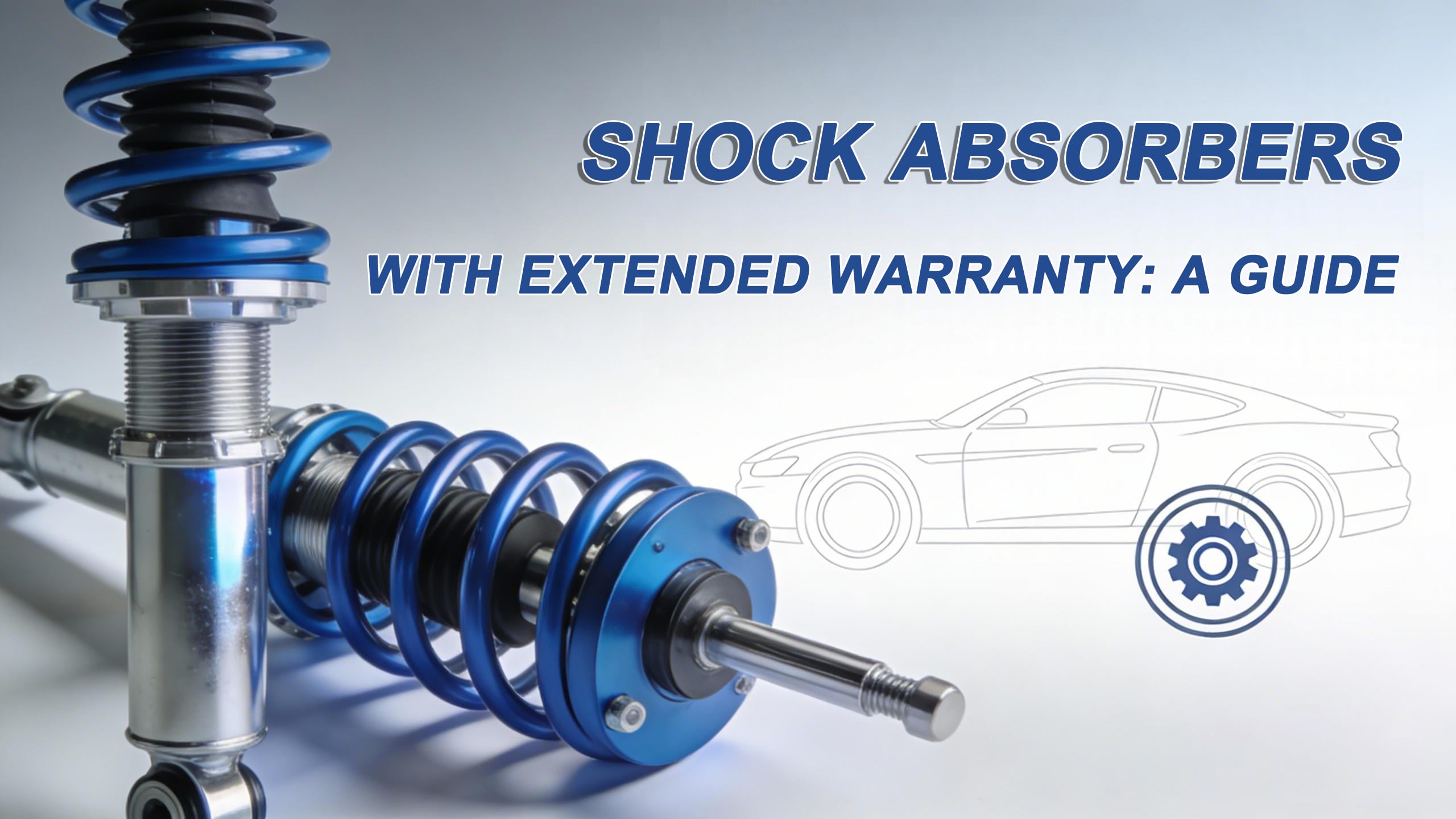
Why Shock Absorber Lifespan Varies – And When an Extended Warranty Makes Sense
Driving Conditions, Vehicle Load, and Road Quality: Key Drivers of Premature Shock Absorber Wear
How long shock absorbers last really comes down to how they're used, not just how many miles are on them. Driving over roads full of potholes wears them out way faster than cruising on smooth highways maybe even three times quicker according to some studies. Carrying heavy loads puts extra stress on all those parts inside, which leads to faster breakdowns. And let's face it, people who drive aggressively tend to ruin their shocks much sooner than anyone else. Most shocks will hang in there for around 4 to 10 years if treated normally, but throw them into tough conditions and their lifespan gets cut nearly in half. That's why so many folks end up getting extended warranties these days. They act as insurance against those surprise repair bills that pop up when road conditions and driving habits turn out to be the real culprits behind shock failure.
Mileage vs. Time: How Age-Related Degradation Triggers Failure Even Below Standard Warranty Mileage Limits
Shock absorbers don't just wear out based on how far they've been driven. After about five years, the seals start to harden, which cuts down on damping efficiency somewhere around 40%. Meanwhile, the hydraulic fluid loses its viscosity over time, leading to noticeable performance issues even when the car has only covered 30,000 miles. That's actually pretty common since most bumper-to-bumper warranties cover up to 60,000 miles. Because shocks degrade with age regardless of mileage, extended warranties become really important for people who drive little, classic cars sitting in garages, or company fleets where vehicles aren't used much day to day. Replacing shocks proactively at roughly 50,000 miles or after five years can help maintain good handling and keep things safe on the road. But let's face it, nobody wants surprises when parts start failing unexpectedly. An age-inclusive warranty is basically insurance against these inevitable breakdowns that money can't fix once they happen.
Premium Shock Absorbers: Higher Upfront Cost, Longer Life, and Stronger Extended Warranty Value
Material Science and Precision Engineering: Why Premium Shock Absorbers Justify Extended Coverage
High quality shocks incorporate better materials throughout their construction. They typically feature nitrogen filled chambers, stronger steel components, and multiple seals that help fight against rust, leaks, and wear inside the unit. The improvements actually cut down on wasted energy by around 30 percent while keeping the same level of resistance even after hundreds of thousands of compressions. This means the shocks don't lose effectiveness as quickly and last much longer in real world conditions. From an industry standpoint, these durable designs result in fewer warranty claims over time. That's why many companies can offer longer coverage periods without breaking the bank, creating value for both businesses and customers who want reliable suspension performance year after year.
Real-World Longevity Benchmark: Premium Units Deliver 40–60% Greater Service Life (SAE 2023 Data)
Looking at the SAE 2023 tests on around 12,000 units put through the same stress conditions, premium shocks lasted about 75,000 miles before dropping to 15% performance loss. That's roughly 40 to 60 percent better than regular ones that started failing between 45k and 50k miles. Things get even more interesting when we look at tough environments. Premium shocks held up after 500 hours in salt spray testing, whereas nearly 8 out of 10 budget options gave up the ghost. The extra lifespan these premium parts offer definitely pays off over time. Sure, they cost more upfront, but owners end up spending less overall and face fewer surprises down the road. Extended warranties suddenly look like smarter money moves rather than just another expense.
How to Maximize Your Extended Warranty: Maintenance Practices That Keep Coverage Valid
Inspection Intervals, Visual/Functional Checks, and Documented Servicing Requirements
Adhering to scheduled inspections is essential to maintaining warranty validity. Industry data shows shock absorbers fail up to 30% sooner without biannual visual checks. Follow this protocol:
- Visual inspections every 6 months for leaks, dents, corrosion, or mounting bolt damage
- Functional assessments annually—including bounce test evaluation and alignment verification
- Documented servicing, completed and recorded within 14 days of each inspection
Maintenance logs must include timestamps, technician notes, fluid replacement records, and torque verification for suspension fasteners. Digital or physical receipts are equally acceptable—but missing documentation accounts for 68% of denied claims, per the 2024 Warranty Audit by a leading insurer. Consistent, verifiable compliance preserves coverage for otherwise eligible repairs.
Decoding Extended Warranty Terms: What ‘Shock Absorber Coverage’ Really Includes
Parts, Labor, and Diagnostic Fees — Plus Common Exclusions (e.g., Collision Damage, Improper Installation)
Most extended warranties for shocks usually cover things like replacing worn parts, paying for installation work, and even covering diagnostic tests to figure out what went wrong. But watch out - many policies won't cover damage caused by accidents, driving on rough terrain, or if someone who isn't certified installed them. A lot of claims get rejected because the wear happened due to poor maintenance over time. Think about those little problems that build up: maybe the suspension was misaligned for months, there were fluid leaks nobody noticed, or those rubber bushings needed replacing ages ago. When checking coverage details, make sure to know if they accept generic quality parts or insist on original manufacturer stuff since this makes a big difference in how much money comes out of your pocket. And here's something else folks often forget: some companies want pictures showing regular checkups done before anything broke down. Definitely read through the fine print section about documents required before trying to file anything.
FAQ
What factors affect the lifespan of shock absorbers?
The lifespan of shock absorbers is mainly affected by driving conditions, vehicle load, and road quality. Aggressive driving and rough road conditions significantly reduce their lifespan.
Why are extended warranties recommended for shock absorbers?
Extended warranties are recommended as they cover unexpected repair costs due to shock absorber failure, which can vary greatly depending on road conditions and driving habits.
Do shock absorbers wear out over time even with minimal use?
Yes, the seals harden and hydraulic fluid loses viscosity over time, affecting performance even if the vehicle is driven minimally.
Are premium shock absorbers worth the higher upfront cost?
Premium shock absorbers are constructed with better materials and precision engineering, offering longer service life and justifying their higher upfront cost.
How can I ensure my shock absorber's warranty remains valid?
Regular inspections, maintenance, and correct documentation are crucial to maintain warranty validity for shock absorbers.
Table of Contents
- Why Shock Absorber Lifespan Varies – And When an Extended Warranty Makes Sense
- Premium Shock Absorbers: Higher Upfront Cost, Longer Life, and Stronger Extended Warranty Value
- How to Maximize Your Extended Warranty: Maintenance Practices That Keep Coverage Valid
- Decoding Extended Warranty Terms: What ‘Shock Absorber Coverage’ Really Includes
- FAQ