
 EN
EN



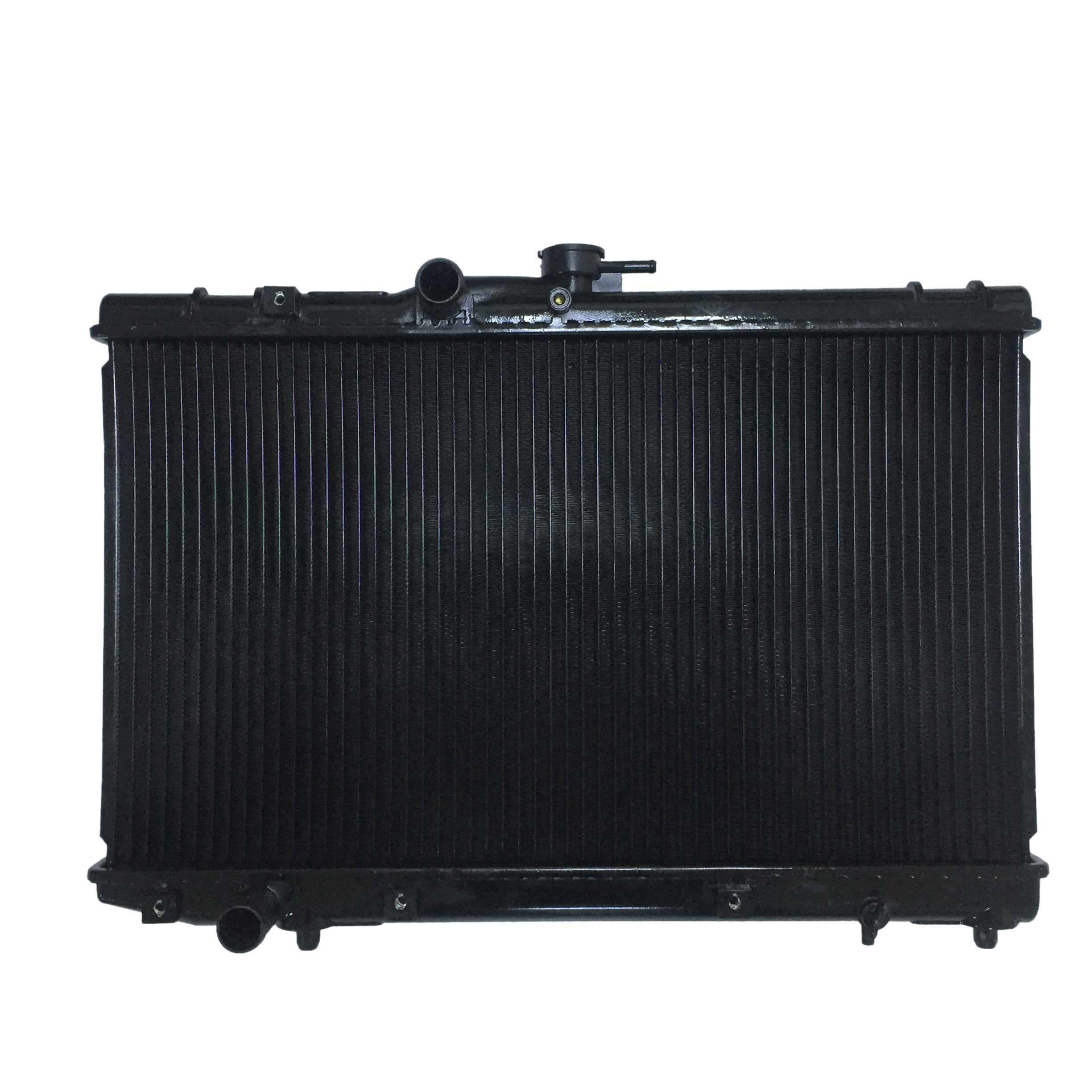
Aluminum Car Radiators: Lightweight Strength and Real-World Durability
Corrosion Resistance vs. Coolant Compatibility in Modern Aluminum Radiators
Aluminum radiators get their corrosion resistance from a natural oxide layer that protects them from road salt and other environmental chemicals. But there's a catch. If the wrong type of coolant gets mixed in, it can really mess things up. Coolants with lots of phosphates or silicates actually break down that protective layer at a microscopic level. This creates problems when aluminum parts come into contact with different metals during normal operation, especially after going through multiple heating cycles. That's why most manufacturers recommend using organic acid technology (OAT) coolants these days. These special formulas bond with aluminum surfaces in a way that doesn't damage them, unlike older coolants that left behind gritty residues. They keep the pH level steady somewhere between 7.5 and 11, which helps prevent wear and tear over time. Tests done according to SAE standards show that radiators running on the right OAT coolant last about 40% longer than those with incompatible fluids. This makes a big difference in places near the coast or areas with high salt content in the air.
Thermal Conductivity and Fatigue Performance Under Repeated Engine Heat Cycles
The thermal conductivity of aluminum at around 237 W/mK makes it pretty good for moving heat from coolant to radiator fins. This is actually more than twice what steel offers, which helps avoid those pesky hotspots when engines run hard for long periods. Sure, copper still beats aluminum with its impressive 401 W/mK rating, but aluminum has other benefits worth considering. It provides a much better strength to weight ratio and manages thermal expansion nicely at about 23 micrometers per meter per Kelvin. This means we can predict how much it will contract as things cool down after running hot. Looking at the microstructure, well brazed aluminum joints especially those made with magnesium silicon optimized alloys tend to hold up through over 50 thousand thermal cycles without failing. But watch out for weak spots typically found where tubes meet headers if the design isn't done right. Modern radiators with extruded multi port tubes combined with serpentine fin patterns that are pressure optimized show about 30% better performance in thermal cycling tests compared to older designs according to TEMA Standard RP-10 from 2023. These improvements translate to fewer leaks and more dependable operation even when temperatures swing wildly in real world conditions.
Copper-Brass Car Radiators: Proven Longevity and Serviceability
Superior Tensile Strength and Solder-Based Repair Capabilities
Copper brass radiators have really strong tensile strength, about 40% better than what we see in aluminum models. This makes them much less likely to crack when subjected to vibrations over long periods, especially important for vehicles that log lots of miles or operate in rough conditions. The material is also quite workable and has surfaces that take solder well, so experienced techs can fix problems in the field with regular soldering equipment. We're talking about things like small core leaks or damaged tanks that would otherwise require complete replacement. The ability to repair these components means they last longer in service. Fleet operators tell us their copper brass units typically stay in operation for an extra 5 to 7 years compared to other materials. That translates into real money saved since downtime costs around $740 every hour according to recent studies from Ponemon Institute back in 2023. And unlike those sealed aluminum or hybrid radiator designs where any major issue means throwing out the whole unit, copper brass allows for ongoing maintenance work without needing total replacement, which cuts costs and helps reduce waste in the long run.
Thermal Cycling Resilience in High-Load and Older Vehicle Applications
Copper brass radiators can last through more than 200 thousand thermal cycles before showing any signs of fatigue failure, something few modern materials can match. The material expands very little when heated, so joints stay intact even when temperatures swing from freezing cold to boiling hot (about 40 degrees Celsius to 120). This makes these radiators particularly tough in demanding situations such as when towing trailers or restoring old cars. Brass contains around 30 to 35 percent zinc which helps it conduct heat better for engines built decades ago. Classic car owners know this well because their vehicles didn't come with fancy thermostats or electric fans back then. For people who want parts that will last forever without surprises, copper brass is still king among those building or maintaining vintage vehicles or running fleets where reliability matters most.
Plastic-Aluminum Hybrid Car Radiators: Cost-Efficiency Trade-Offs for Durability
End-Tank Failure Mechanisms Under Sustained Thermal Stress
Hybrid radiators made from plastic and aluminum mix light weight aluminum cores with cheaper plastic end tanks, but there's a catch. When these different materials heat up and cool down repeatedly, they expand at different rates. Plastic like nylon 6/6 doesn't stretch the same way metal does, so cracks start forming at the junctions over time. A study published in SAE J2908 last year found that about 45% of early failures in these hybrid units come down to just this kind of thermal stress problem. Common ways these radiators fail involve...
- Seam separation: Epoxy adhesives degrade under sustained heat, weakening bonds between materials
- Material fatigue: Nylon end-tanks develop visible stress cracks after approximately 100 thermal cycles
- Warp distortion: Prolonged exposure to temperatures above 110°C causes irreversible geometric deformation
Coolant Additive Sensitivity and Industry Shift Toward Integrated Sealing Solutions
The chemistry of the coolant makes all the difference when it comes to hybrid radiators. We've seen silicate additives cause serious problems for nylon 6/6 polymers, actually speeding up their breakdown by about 40% after around 50k miles according to Radiator Repair Specialists Association data from last year. This breaks down seals and leads to early failures in those end tanks. To fix these issues, manufacturers have started adopting better sealing methods across the board. Most hybrid systems now use phosphate-free coolants as standard practice. The newer multi-layer plastic end tanks come with built-in chemical resistant liners inside them. And many shops are switching from those old epoxy bonded joints to rubber gasket systems instead. Around 7 out of 10 original equipment manufacturers currently require what's called monolithic plastic aluminum assemblies with those reinforced compression molded seals. These changes help keep things reliable without sacrificing the cost savings and lighter weight benefits that made hybrid systems attractive in the first place.
FAQ
What type of coolant is recommended for aluminum radiators?
It is recommended to use organic acid technology (OAT) coolants as they bond with aluminum surfaces without causing damage, unlike phosphates or silicates.
How does the tensile strength of copper-brass radiators compare to aluminum radiators?
Copper-brass radiators have about 40% higher tensile strength than aluminum models, making them less prone to cracking under vibration.
What are the common issues with plastic-aluminum hybrid radiators?
Common issues include seam separation, material fatigue, and warp distortion due to thermal stress and incompatible coolants.