
 EN
EN



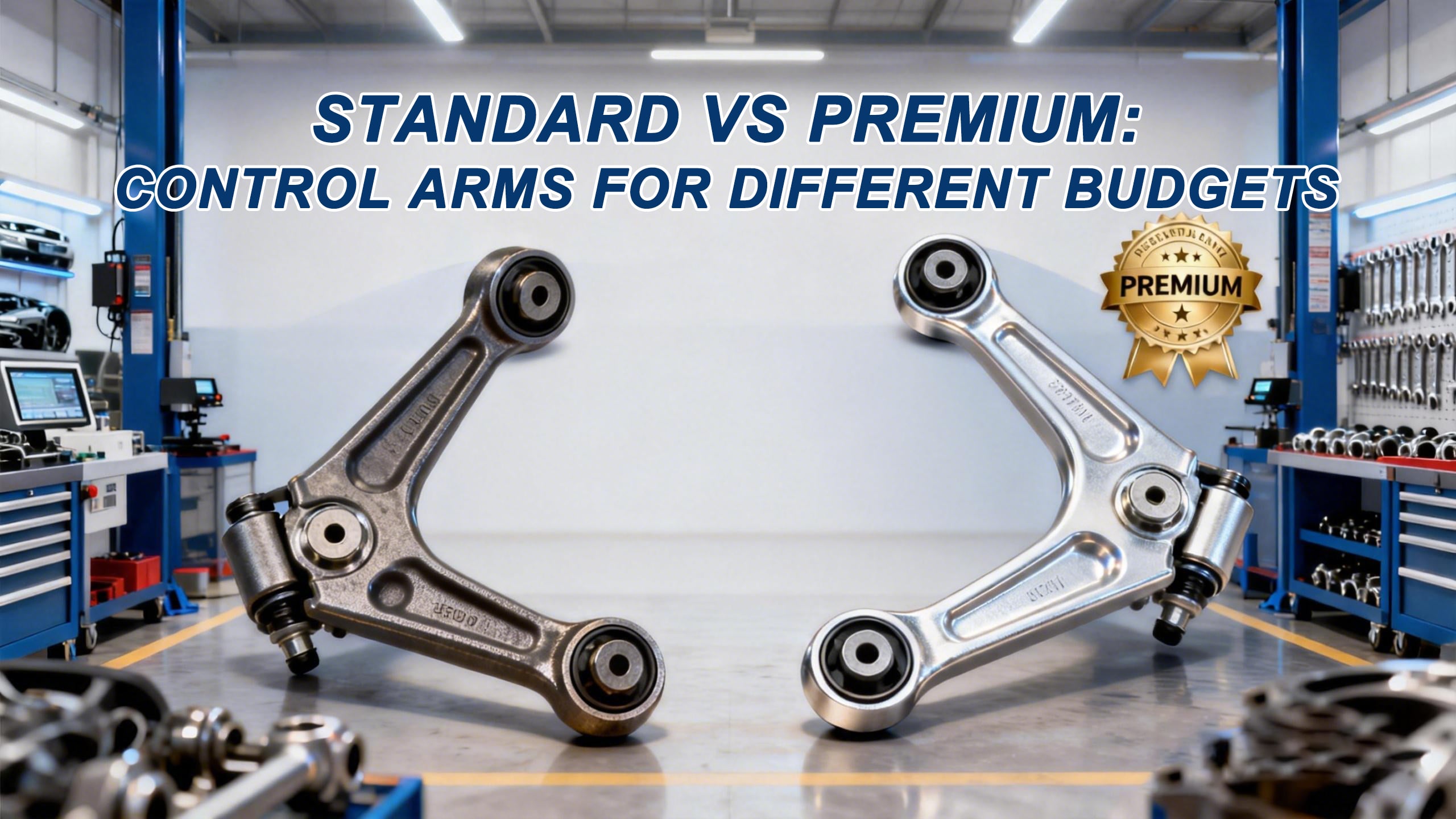
Material Science of Control Arms: Steel, Aluminum, and Composites Explained
Cast Steel vs Stamped Steel vs Cast Aluminum: Strength, Fatigue Resistance, and Real-World Load Handling
Control arm material selection directly determines suspension durability, handling precision, and long-term reliability. Cast steel delivers exceptional tensile strength (400–550 MPa) and impact resistance—making it the benchmark for heavy-duty and safety-critical applications. Its high density, however, increases unsprung weight by 30–40% compared to aluminum, compromising ride refinement and fuel efficiency.
Stamped steel offers manufacturing simplicity and lower cost but sacrifices fatigue performance. Under repeated stress—especially on roads riddled with potholes or expansion joints—it exhibits 20–30% lower fatigue strength than cast steel, accelerating wear in demanding environments.
Aluminum casting cuts down weight around 60 percent compared to similar steel parts, which makes vehicles respond better and puts less wear on things like bushings and ball joints over time. Take modern heat treated alloys for instance, A356-T6 has really narrowed the gap in terms of how long they last. Sure, the fatigue strength still isn't what steel offers, but actual tests on the road show these aluminum parts can hold up just fine if engineers design them right and protect against corrosion properly. Some independent studies back this up too. They found that aluminum actually dampens vibrations better than steel does, cutting down stress on nearby suspension parts somewhere between 15 and maybe even 22 percent during those stop start city drives we all hate so much.
| Property | Cast Steel | Stamped Steel | Cast Aluminum |
|---|---|---|---|
| Density | 7.85 g/cm³ | 7.85 g/cm³ | 2.70 g/cm³ |
| Fatigue Strength | 240–300 MPa | 180–220 MPa | 90–140 MPa |
| Cost Index | 1.8x | 1.0x | 2.3x |
| Thermal Expansion | 12 µm/m°C | 12 µm/m°C | 23 µm/m°C |
Protecting against corrosion isn't optional when it comes to materials used in outdoor applications. Take aluminum for instance, it creates its own protective oxide film over time, but this defense system gets compromised whenever there's surface damage, leading to those annoying pits we all hate. For steel components like control arms, regular maintenance becomes critical. Most shops go with either zinc-nickel plating or apply thermoset powder coatings as barriers against rust. The real test comes during harsh winters when road salt is everywhere. We've seen plenty of steel parts without proper protection start showing signs of weakness within just two years of exposure to these corrosive conditions.
Budget Tiers Decoded: What You Gain (and Sacrifice) at Each Price Point
Entry-Level Control Arms: NVH, Alignment Retention, and 50k-Mile Durability Benchmarks
Budget control arms hit the bare minimum standards while keeping costs down. Most are made from stamped steel with little to no protection against rust, so expect around 50k miles before needing replacement if driven normally. What these parts sacrifice is comfort and durability. The NVH levels tend to run higher than factory specs, sometimes up to 15-20% worse because of those cheap rubber bushings inside. After hitting enough potholes, alignment problems start showing up pretty quickly too. Rust becomes a bigger issue in places with lots of moisture or road salt, cutting down on how long they actually last. For folks watching their wallets who live somewhere dry or need something just until repairs can be made, entry level arms work okay. But put them on heavier trucks or in areas that freeze and thaw repeatedly? Industry tests show about 35% fail way sooner than expected when subjected to harsh conditions over time.
Mid-Tier Control Arms: Ball Joint Design, On-Vehicle Adjustability, and Service Interval Advantages
Control arms in the mid price range offer solid performance boosts while keeping costs reasonable compared to top shelf models. What really stands out about these components is their sealed for life ball joints with those double lip seals and hardened raceways that actually last much longer between services than basic models do. We're talking around 30 to 40 percent longer lifespan here. Another nice feature is the ability to make adjustments right on the vehicle using either cam bolts or eccentric sleeves, which makes fixing alignment issues after installation way easier for mechanics. This cuts down shop time by about an hour and a half each time they need to work on them. The corrosion protection has also gotten better thanks to treatments like phosphate conversion coatings or electro galvanization processes. While these mid tier arms will set folks back roughly 50 to 70 percent more than budget alternatives, they tend to pay for themselves over time because they last longer, handle better consistently, and require fewer repeat visits to the alignment bay. Makes sense for everyday cars that get driven on all sorts of roads day in and day out.
Premium Control Arms: Delta Joints, Heim End Links, and Measured Articulation Gains in Off-Road Testing
High quality control arms are engineered specifically for intense performance demands. These components come made from either aircraft grade aluminum forgings or tough chromoly steel, featuring multiple layers of protection against rust and wear. The joints themselves represent cutting edge technology, with Delta joints containing PTFE lined spherical bearings that maintain accurate geometry even when articulating at extreme angles. Heim end links cut out any play in the system, giving drivers immediate steering response without delay. Manufacturers often hydroform or machine these parts using CNC processes to get just the right balance between weight and rigidity. Testing on actual off road terrain shows these premium arms provide around 28 percent more wheel travel compared to factory options, plus 42 percent less bending under heavy loads. Sure, they cost roughly two to three times what mid range arms do, and need some special care over time, but for those tackling serious trails or building race ready vehicles, the extra investment pays off in terms of lasting strength, better handling, and increased confidence behind the wheel. Most regular drivers won't see much benefit from all these fancy features during everyday commutes though.
OE vs Aftermarket Control Arms: Safety, Compatibility, and Total Cost of Ownership
When deciding between original equipment (OE) and aftermarket control arms, there are real trade-offs to consider regarding safety, how well they work with other systems, and long term costs. Original Equipment Manufacturer parts go through extensive testing against everything from crash energy absorption to advanced driver assistance system calibration and stability during sudden maneuvers. These components come with precise measurements, consistent materials, and proven durability tested over countless road tests something most aftermarket brands simply don't match. While aftermarket options might save money upfront, they often fall short when it comes to meeting all those rigorous standards that OE parts have been built to satisfy.
The quality and compliance level of aftermarket products can differ quite a bit. High end manufacturers usually meet industry standards like ISO/TS 16949 or SAE J2412 and perform just as well as original equipment. But when we look at cheaper alternatives, they frequently don't have proper structural testing done by third parties. Recent crash tests revealed something important about these uncertified parts. Suspension components from budget brands tend to break down under heavy stress about 26 percent more often compared to genuine OEM parts. This matters especially for lower control arms since they hold together the whole front suspension setup of a vehicle.
Compatibility extends beyond bolt patterns. Many aftermarket arms omit integrated ADAS calibration points or sensor mounting provisions, potentially triggering false lane-departure or adaptive cruise alerts. When evaluating total cost of ownership, consider:
- Warranty coverage: OEM parts typically carry longer manufacturer-backed warranties
- Replacement frequency: Industry data shows budget aftermarket arms require replacement 40% sooner than OE or certified premium alternatives
- Hidden expenses: Frequent alignment corrections and premature bushing or ball joint wear add $200–$500 in long-term servicing costs
For safety-critical suspension components, OE specifications remain the gold standard—particularly where accelerated joint wear could trigger $750+ repair bills or compromise handling during evasive maneuvers. Premium aftermarket arms can be valid alternatives—but only when independently certified and selected with full awareness of vehicle-specific integration requirements.
FAQ
What is the main benefit of using cast steel for control arms?
Cast steel is known for its exceptional tensile strength and impact resistance, making it ideal for heavy-duty and safety-critical applications.
How does aluminum casting compare to steel in terms of weight and performance?
Aluminum casting offers significant weight reduction, around 60% less than similar steel parts, improving vehicle response and reducing wear on components such as bushings and ball joints.
Are premium control arms worth the investment?
Premium control arms provide enhanced strength, handling, and durability, especially in demanding applications like off-road conditions or performance vehicles, but may not offer substantial benefits for everyday commutes.
Why should I consider OEM control arms over aftermarket ones?
OEM control arms undergo rigorous testing and quality assurance, ensuring safety and compatibility with your vehicle's systems, which some aftermarket options may lack.