
 EN
EN



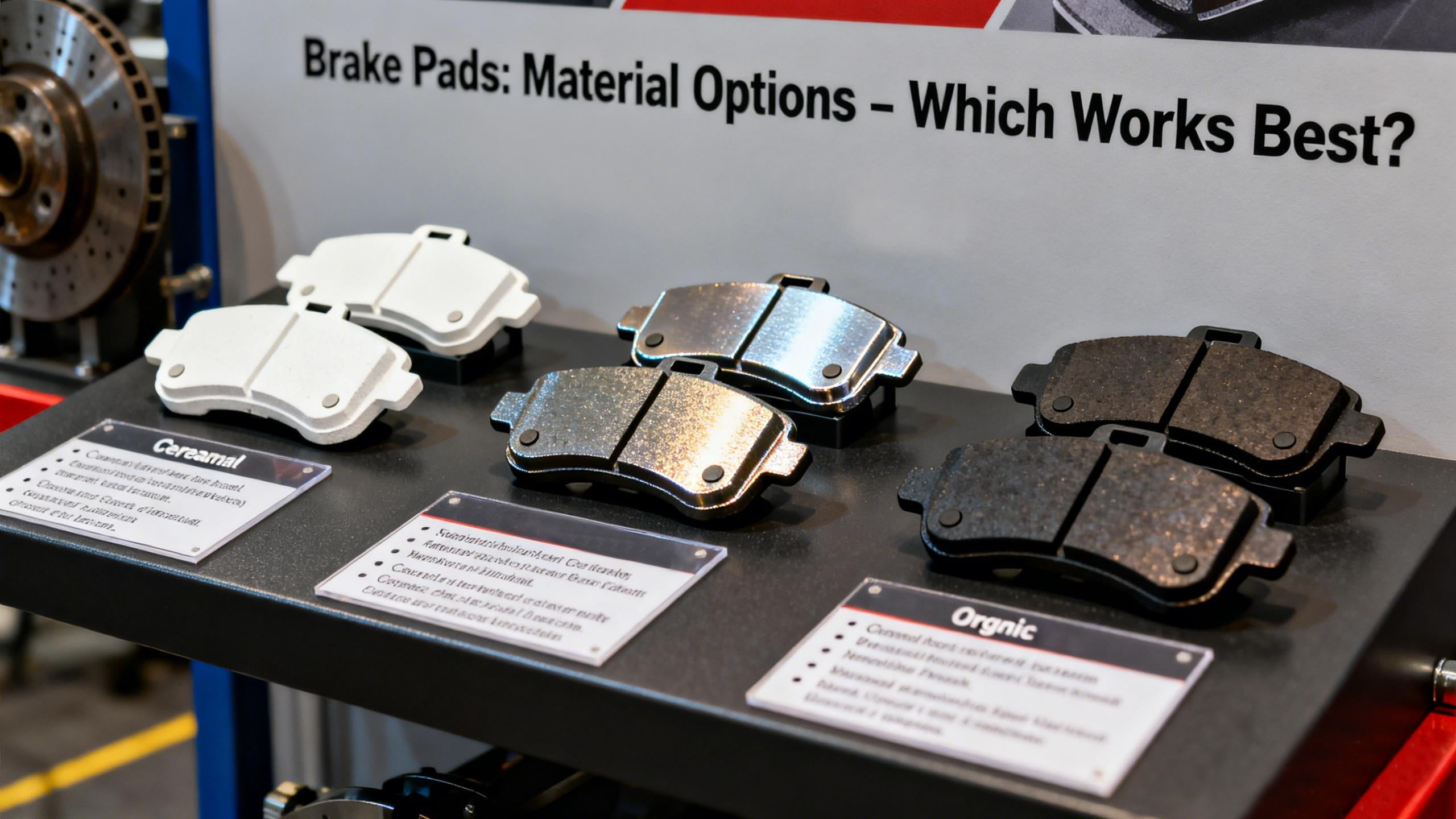
Ceramic Brake Pads: Ideal for Daily Driving and OEM Reliability
Why Ceramic Brake Pads Dominate Passenger Vehicles
Most new cars come with ceramic brake pads these days, something like 7 out of 10 models actually. These pads work really well in all sorts of driving situations whether it's raining cats and dogs on the highway or dealing with constant starts and stops in city traffic. The best part? They don't need super hot temperatures to perform properly. On average, ceramic pads last way past 40 thousand miles when driven normally, which means fewer trips to the mechanic and saving money over time. Since they fit right into regular brake systems, mechanics can install them without any special tools or modifications. Plus, they handle heat better than other types so there's less chance of brake fluid boiling off, keeping the brakes feeling responsive even after repeated use. That's why so many people who care about smooth rides, dependable performance, and not having to worry about frequent repairs stick with ceramic pads for their family cars.
How Ceramic Composition Delivers Low Dust, Quiet Operation, and Consistent Friction
Ceramic brake pads mix ceramic fibers with just a bit of copper in a compact material that stays stable even when hot. The way these pads are made means they shed far fewer particles when braking, cutting down on dust production by around 70% compared to those metal-based alternatives. Cleaner wheels are the result, plus there's less chance of rust forming on the calipers and rotors over time. These pads contain special ingredients that soak up vibrations which would otherwise create annoying squealing noises, so ceramic brakes tend to be much quieter overall. What makes them really stand out though is how consistently they perform. Their grip stays pretty much the same across temperatures from about room temp all the way up past 600 degrees Fahrenheit, giving drivers predictable feedback at the brake pedal without that grabby feel some other pads have. And since ceramic materials aren't as harsh on metal components, rotors last longer too maybe even 30% longer in many cases. All these factors combined make ceramic pads an excellent choice for everyday vehicles where reliability matters most.
Semi-Metallic Brake Pads: Best for High-Heat and Heavy-Duty Applications
Superior Heat Dissipation and Fade Resistance in Towing, Mountainous Terrain, and Aggressive Driving
Semi metallic brake pads typically have between thirty to sixty five percent metal mixed into their resin base material. The metals include things like steel, iron and copper woven throughout the pad structure. What makes these pads special is how they handle heat so well. When brakes get hot from continuous use, especially during those long downhill stretches or when pulling heavy loads, these pads don't lose much stopping power. Tests show they keep around ninety five percent effectiveness even after multiple heating cycles compared to regular organic pads or basic ceramics which just can't stand up to the same kind of punishment. Another benefit comes from their solid construction that doesn't deform easily under pressure. This means better contact with rotors exactly when drivers need maximum response. That's why many big rigs, sporty cars, and custom builds stick with semi metallic options despite the tradeoffs in noise levels and dust production since nothing beats their ability to withstand intense heat conditions.
Trade-Offs: Increased Rotor Wear, Noise, and Dust vs. Enhanced Stopping Power Under Load
The metal composition responsible for resisting brake fade actually causes about 15 to 20 percent more rotor wear than ceramic alternatives. These metal pads tend to create louder noises too, especially noticeable at lower speeds because of how tightly they couple mechanically with the braking surface. Dust production jumps around 35 percent higher, meaning wheels get dirty faster and might lead to quicker breakdown of caliper seals down the road. Still many drivers find this worthwhile for heavy duty situations. Some independent tests on trailers show that semi metallic pads can cut stopping distance roughly 20 percent better than ceramics when pulling something weighing more than seven thousand pounds. Anyone dealing with this kind of wear needs to check their rotors regularly, maybe every fifteen thousand miles or so. Pairing those metal pads with high quality heat treated rotors built for tough conditions makes sense if someone wants to extend component life without sacrificing performance.
Comparing Brake Pad Materials: Stopping Performance, Durability, and Total Cost of Ownership
Real-World Data: Minimal Difference in Dry/Wet Stopping Distance Between Ceramic and Semi-Metallic Brake Pads
Testing done by independent labs, including those following SAE J2784 standards, shows that for everyday driving situations, there really isn't much difference between ceramic and semi-metallic brake pads when it comes to stopping distances on either dry or wet roads. At around 60 miles per hour, these two types of brake pads stop within about 3 to 5 feet of each other on dry pavement, and they perform almost exactly the same way when roads are wet. Semi-metallic pads tend to grab a bit harder at first because they contain more metal, but ceramic pads keep their grip more consistently even as temperatures change during braking. Most regular drivers won't notice any significant safety differences from that small 1 or 2 percent variation in stopping distance. Instead, things like how noisy the brakes are, how much dust they create, how long the rotors last, and whether they handle heat well become much more important considerations when choosing brake pads.
Matching Brake Pad Type to Your Vehicle’s Duty Cycle – Commuting, Off-Roading, or Track Use
Selecting optimal brake pads hinges on aligning material properties with your vehicle’s actual usage—not just its make or model:
| Factor | Ceramic Brake Pads | Semi-Metallic Brake Pads |
|---|---|---|
| Best Use Case | Commuting, urban driving | Towing, off-roading, track |
| Noise/Dust Output | Minimal | Moderate to high |
| Rotor Wear | Low | Moderate |
| Heat Tolerance | Good (≈ 650°F) | Excellent (≥ 1,000°F) |
| Lifespan | 50,000–70,000 miles | 30,000–50,000 miles |
Ceramic brake pads work really well in city driving situations where there's lots of stopping and starting. They run quietly, produce almost no dust on wheels, and help rotors last longer too. Over time this can cut down on what people spend overall by around 15 to maybe even 20 percent for folks who drive daily commutes. On the other hand, semi metallic pads are better suited for conditions where managing heat becomes critical. Think about those long downhill stretches, when pulling heavy trailers, or during intense track sessions. These pads resist fading better and grab harder initially, though they do need replacing more often because of that aggressive nature. So if someone wants something dependable and smooth feeling brakes, go with ceramics. But drivers facing extreme temperatures should probably stick with semi metallic options instead.
Frequently Asked Questions
What are the main advantages of ceramic brake pads?
Ceramic brake pads offer advantages such as low dust production, quieter operation, consistent friction, and longer rotor lifespan, making them ideal for everyday vehicles and urban driving.
Why are semi-metallic brake pads preferred in high-heat conditions?
Semi-metallic brake pads are preferred in high-heat conditions due to their excellent heat dissipation and fade resistance, making them suitable for towing, off-roading, and track use despite increased rotor wear and noise.
How do ceramic and semi-metallic brake pads compare in terms of stopping distance?
According to independent tests, there is minimal difference in stopping distances between ceramic and semi-metallic brake pads on dry or wet roads, making them both effective in everyday driving situations.
Which brake pads are more durable?
Ceramic brake pads generally last longer (50,000–70,000 miles) compared to semi-metallic pads (30,000–50,000 miles) due to less aggressive rotor wear and smoother operation.
When should I choose semi-metallic brake pads over ceramic ones?
Semi-metallic brake pads should be chosen when driving conditions involve intense heat, such as towing, off-road adventures, or competitive track sessions, to ensure optimal performance.
Table of Contents
- Ceramic Brake Pads: Ideal for Daily Driving and OEM Reliability
-
Semi-Metallic Brake Pads: Best for High-Heat and Heavy-Duty Applications
- Superior Heat Dissipation and Fade Resistance in Towing, Mountainous Terrain, and Aggressive Driving
- Trade-Offs: Increased Rotor Wear, Noise, and Dust vs. Enhanced Stopping Power Under Load
- Comparing Brake Pad Materials: Stopping Performance, Durability, and Total Cost of Ownership
- Frequently Asked Questions