
 EN
EN



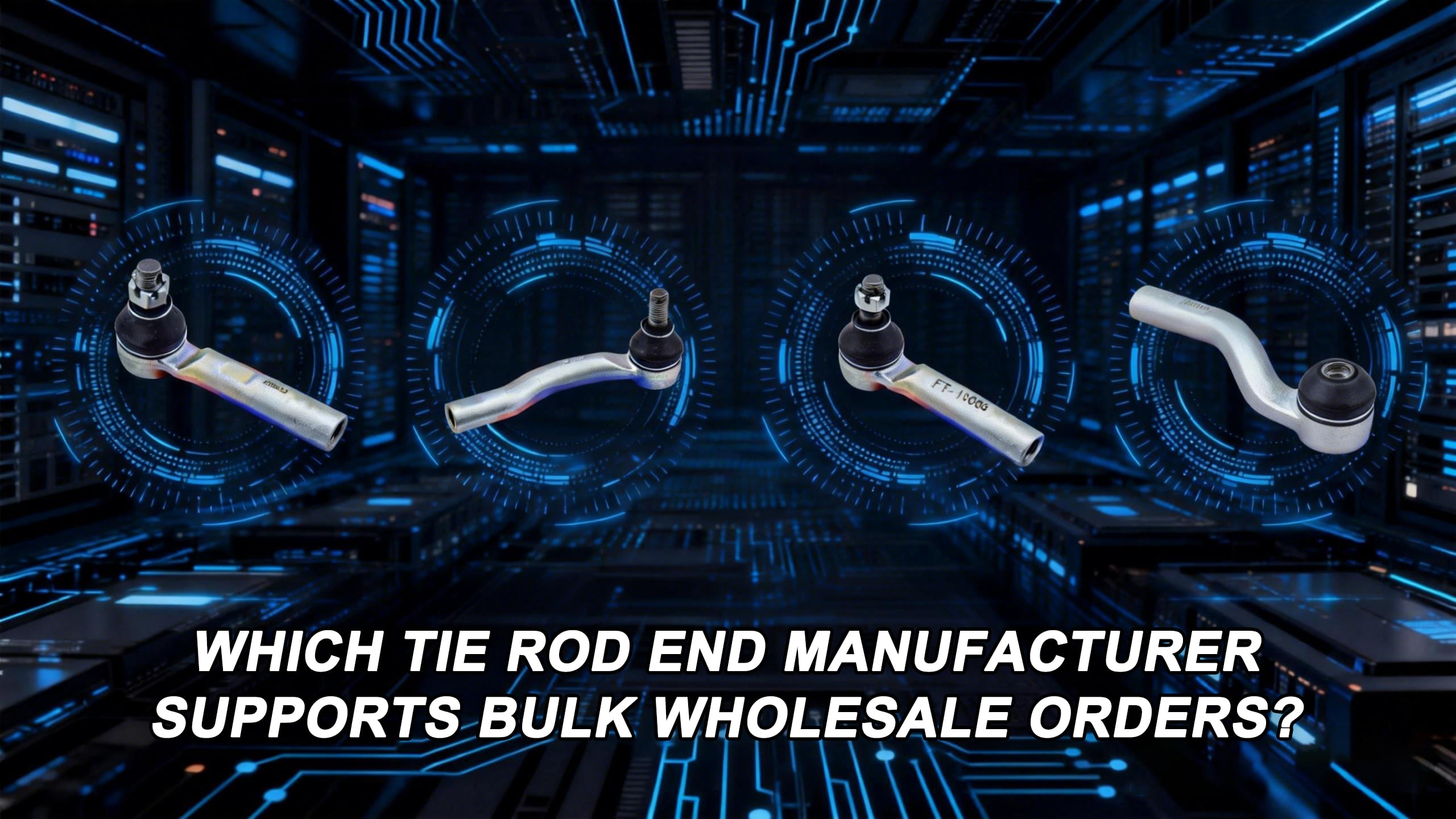
Leading Tie Rod End Manufacturers with Proven Bulk Wholesale Capacity
RBC Bearing / Heim Bearings: OEM-Scale Production and Flexible MOQs for Tie Rod End Orders
Known worldwide for their OEM level precision work, RBC Bearing along with their Heim Bearings line runs serious industrial facilities that churn out around half a million tie rod ends every month. The company offers pretty flexible minimum order quantities too, which works great for both new distributors getting started and big wholesalers needing lots of product. Newcomers can start small with just 50 pieces for testing purposes, while bigger orders go all the way up to 10,000 or more units when needed. When it comes to customization, they've got brass inserts available, left and right hand threads, those special Teflon lined self lubricating bearings, plus various keyway setups. All these custom parts stay within tight tolerances of plus or minus 0.01mm thanks to their automated manufacturing systems. What really stands out though is how fast they can get things done. Even complicated designs usually take between 15 to 30 days to produce. And guess what? The more units ordered, the better the price gets. At larger volume levels, customers actually save up to 40% on each item. Want to know more about what RBC has going on in the automotive steering world?
Pacific International Bearing (PIB): Tier-1 Distribution Network for High-Volume Tie Rod End Fulfillment
PIB has built out a logistics network that spans the globe with key storage locations throughout North America, Europe, and parts of Asia. This setup allows them to deliver products to their wholesale customers quickly and reliably most of the time. The company's special consignment program promises delivery within 48 hours when someone orders over 5,000 units, which cuts down on waiting periods compared to standard shipping methods by about 70 percent according to their data. Buyers can check what's available through an online system that shows inventory status for around 15,000 different items including both metric and imperial sizes. Working with shipping companies directly helps keep costs down too, saving roughly 18% on container shipments as a general rule. Before big orders go out, PIB's tech experts actually test how well products work in specific situations where they'll be used. They also offer something called Vendor Managed Inventory, which basically means they monitor stock levels themselves so businesses don't run out when demand spikes unexpectedly.
Key Wholesale Metrics: MOQ, Lead Time, and Cost Efficiency for Tie Rod Ends
Standard MOQ Ranges and Scalable Pricing Across Top Tie Rod End Suppliers
Bulk procurement typically begins at MOQs of 1,000–5,000 units, with tiered pricing structures offering 15–20% per-unit cost reductions for orders exceeding 10,000 units. Most suppliers maintain 4–6 week lead times for standard configurations, supported by flexible payment terms—including 30% deposits—to improve cash flow for large-scale buyers.
| Metric | Standard Range | Volume Advantage |
|---|---|---|
| MOQ | 1,000–5,000 units | – 10–15% cost at >10K units |
| Lead Time | 4–6 weeks | Compressed by 20% for repeat orders |
| Payment Terms | 30% deposit | Extended net-30 for established partners |
Balancing Economies of Scale with Customization Needs in Tie Rod End Production
Getting cost efficient when making tie rod ends in large volumes really comes down to finding the sweet spot between being able to scale up production and still meeting specific needs. Sure, producing in big batches brings down what each unit costs, but then there are those special requests that throw everything off track. Think about when customers want weird materials or unusual coatings for their parts. Smart manufacturers handle these challenges through modular approaches. They start with standard base components and then tweak them with custom touches like different thread shapes or special plating that resists rust. This way they don't have to completely overhaul their machinery every time someone asks for something unique, so they keep saving money on large orders while still delivering parts that actually work properly.
OEM/ODM Capabilities and Supply Chain Reliability for Tie Rod End Wholesale
How IATF 16949 and ISO Certifications Ensure Consistent Tie Rod End Quality at Volume
Getting IATF 16949 and ISO 9001 certifications means a company has gone through serious quality checks that are pretty much required for making large quantities of products consistently. These certification standards require companies to track everything throughout their operations from where they source materials to how they inspect finished goods. Every single item needs to hit specific measurements, torque specs around ±0.5 Nm for ball joints, and proper thread pitches. Factories with these certifications typically implement things like statistical process control (SPC) along with various automated tests. This approach cuts down on defects significantly, sometimes as much as 72 percent when compared to plants without such credentials. What this all adds up to is reliable production at scale. Whether someone orders 10,000 units straight off the shelf or wants something custom made for an original equipment manufacturer, parts from certified makers will work interchangeably about 99.3% of the time across different car models. This kind of consistency helps avoid recalls and keeps the whole supply chain running smoothly even during tough times.
Frequently Asked Questions
What is the minimum order quantity (MOQ) for RBC Bearings and Pacific International Bearing?
RBC Bearings offers flexible MOQs starting from 50 units, while PIB offers bulk procurement beginning at 1,000 units.
How long is the lead time for commercial tie rod end orders?
The typical lead time for standard tie rod end orders is 4 to 6 weeks.
Are there any discounts for larger volume orders?
Yes, RBC Bearings can offer up to a 40% discount on larger orders, and bulk procurement usually includes 15–20% cost reductions for orders exceeding 10,000 units.
What certifications ensure the quality of tie rod ends?
Tie rod ends' quality is ensured by IATF 16949 and ISO 9001 certifications, which mandate thorough quality assurance processes.
Can suppliers accommodate custom requirements for tie rod ends?
Yes, manufacturers often address customization needs while balancing cost efficiency and production scalability.
Table of Contents
- Leading Tie Rod End Manufacturers with Proven Bulk Wholesale Capacity
- Key Wholesale Metrics: MOQ, Lead Time, and Cost Efficiency for Tie Rod Ends
- OEM/ODM Capabilities and Supply Chain Reliability for Tie Rod End Wholesale
-
Frequently Asked Questions
- What is the minimum order quantity (MOQ) for RBC Bearings and Pacific International Bearing?
- How long is the lead time for commercial tie rod end orders?
- Are there any discounts for larger volume orders?
- What certifications ensure the quality of tie rod ends?
- Can suppliers accommodate custom requirements for tie rod ends?