
 EN
EN



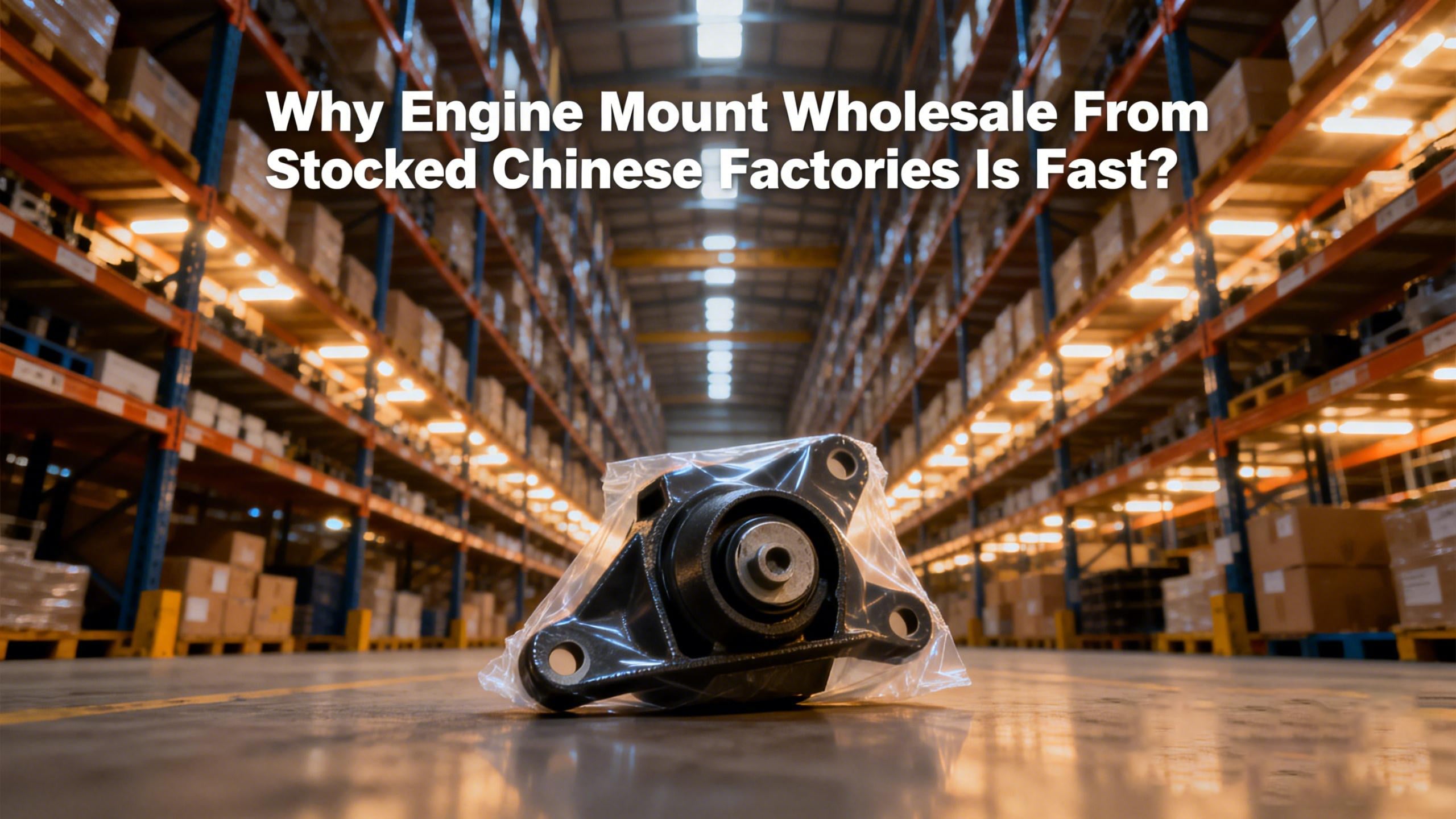
Stocked Inventory: The Core Driver of Engine Mount Wholesale Speed
72-Hour Dispatch for Standard Engine Mounts: How Shelf Stock Eliminates Lead Time
Many Chinese factories can ship standard engine mounts within 72 hours because they keep large stockpiles of already made parts on hand. This cuts around all those usual manufacturing delays where companies wait until an order comes in before starting production. According to the Global Automotive Components Report from 2023, this system slashes waiting periods by almost 90% compared to when things are built specifically for each customer. Wholesalers basically stockpile the most commonly needed configurations so there's no need for any actual fabrication work once an order arrives. During slow periods at their plants, these factories produce the items people buy the most, building up these safety nets of available goods. When customers place orders, automated warehouses just send the packed mounts straight out to trucks, which means delivery happens in days instead of weeks. The whole thing works because car designs have gotten pretty standardized lately. Around eight out of ten passenger cars use similar mounting setups, making it possible to mass-produce these universal fit parts that work across different models.
Just-in-Case Logistics in China: Why Engine Mount Suppliers Prioritize Buffer Stock Over Lean Inventory
Most Chinese manufacturers have shifted away from lean inventory models toward maintaining strategic buffer stocks, which makes sense given how unpredictable supply chains have become lately. The problem really hit home with raw materials like vibration damping rubber compounds where delivery issues spiked to around 63% last year according to some logistics study out of Asia. To handle these disruptions, many companies now keep enough critical elastomers on hand for anywhere between four to six months. This approach works better than those just-in-time systems that rely so heavily on everything going exactly as planned. Take the case of one major US car company that suddenly needed 50 thousand engine mounts back in 2023 after their usual supplier went under. Facilities in China that had maintained proper stock levels were able to ship those parts within five days whereas others using lean inventory took nearly three months to fulfill the same request. Even shipping operations reflect this mindset. Factories often reserve containers at nearby ports ahead of time, cutting down on delays when freight volume spikes during busy periods.
Engine Mount Standardization Enables Rapid Fulfillment Across Global OEM Platforms
ISO/SAE Harmonization and Cross-Vehicle Engine Mount Interchangeability
When engine mounts follow standard sizes set by ISO and SAE specs, they work across many different vehicles without needing special designs for each one. This standard approach makes it easier for car manufacturers to get parts when needed and cuts down on how much inventory they need to keep around. The ability to swap parts between vehicles is really important for big warehouse operations too. Wholesalers can stock fewer different items but still meet demand from all sorts of customers, as long as those parts actually fit properly and do what they're supposed to do in real world conditions.
Pre-Certified Engine Mount SKUs: How Tier-2 Factories Reduce Validation Delays by 65%
Top tier two suppliers stock engine mount SKUs that have already been tested and certified at the factory level. These components satisfy international quality standards such as ISO/TS 16949 requirements and pass SAE J211 vibration tests too. The big advantage here is that these pre-approved parts skip over those long validation processes that OEM procurement departments usually require. Before shipping out, there's thorough testing done on things like how stiff they are when moving, their ability to absorb shocks, and what weight they can actually hold. For companies looking to get products installed faster, this makes a real difference. Most report cutting down on validation wait times by around 60 to 70 percent compared with custom ordered parts. They install quicker while still meeting all necessary regulations and specifications.
Scalable Production Infrastructure: Tooling Readiness Meets Engine Mount Demand Peaks
Dual-Mode Manufacturing: Mass-Stocked Baseline Engine Mounts + On-Demand Customization
Factories in China deal with unpredictable demand by combining different production approaches. Standard mounts that are already stocked in warehouses can be shipped right away, whereas custom orders go through flexible manufacturing cells instead. The shop floor has these modular tools that let them quickly change how things get made. Workers who know multiple roles can move between regular production runs and special versions pretty fast too. They track orders in real time so they keep the right amount of stock on hand. This helps avoid having too much inventory sitting around but still keeps operations responsive when needed. Customers end up getting their products consistently no matter if they want just 50 pieces or something bigger like 5,000 units. The whole system works because parallel processes maintain steady output even during busy seasons or when specific platforms require different handling.
Real-World Performance: Data-Backed Engine Mount Order Velocity from Chinese Hubs
According to industry reports, most major Chinese manufacturing centers can ship standard engine mounts within three days, with around 85 percent of top suppliers hitting this mark consistently. What makes this possible? Many plants have invested heavily in smart inventory tracking systems that keep warehouses and production lines working together seamlessly, which cuts down on those frustrating handoff delays between departments. Logistics teams also monitor shipments in real time, adjusting loading orders and finding better transportation paths as needed. This approach has slashed typical delivery times by about 40%, according to the latest 2024 Automotive Supply Chain Benchmarking data. When we look at why these factories handle sudden surges in global demand so well, it comes down to several key factors: having stock ready when needed, sticking to ISO and SAE standards for quality control, and maintaining facilities that can switch between different production modes as circumstances change. All these elements work together without compromising either product quality or regulatory compliance requirements.
FAQs
What is the advantage of stocking inventory for engine mounts?
Stocking inventory eliminates lead time by ensuring that standard engine mounts are readily available for immediate dispatch. This approach reduces waiting periods and delivery times, allowing for quicker fulfillment of orders.
Why have Chinese manufacturers moved away from lean inventory models?
The shift away from lean inventory models is due to the unpredictability of supply chains, especially in securing raw materials. Strategic buffer stocks are prioritized to accommodate sudden demand or supply chain disruptions.
How does engine mount standardization benefit global OEM platforms?
Standardization of engine mounts according to ISO and SAE specifications allows easy interchangeability across different vehicle models, reducing the need for large inventory and making fulfillment faster.
What benefits do pre-certified engine mount SKUs offer?
Pre-certified engine mounts, tested against international standards, significantly reduce validation delays, facilitating faster installation while adhering to necessary regulations.
How do Chinese factories manage unpredictable demand for engine mounts?
Chinese factories use a dual-mode manufacturing approach, dealing with unpredictable demand by mass stocking standard mounts and using flexible cells for customization when required.
Table of Contents
- Stocked Inventory: The Core Driver of Engine Mount Wholesale Speed
- Engine Mount Standardization Enables Rapid Fulfillment Across Global OEM Platforms
- Scalable Production Infrastructure: Tooling Readiness Meets Engine Mount Demand Peaks
- Real-World Performance: Data-Backed Engine Mount Order Velocity from Chinese Hubs
-
FAQs
- What is the advantage of stocking inventory for engine mounts?
- Why have Chinese manufacturers moved away from lean inventory models?
- How does engine mount standardization benefit global OEM platforms?
- What benefits do pre-certified engine mount SKUs offer?
- How do Chinese factories manage unpredictable demand for engine mounts?