
 EN
EN



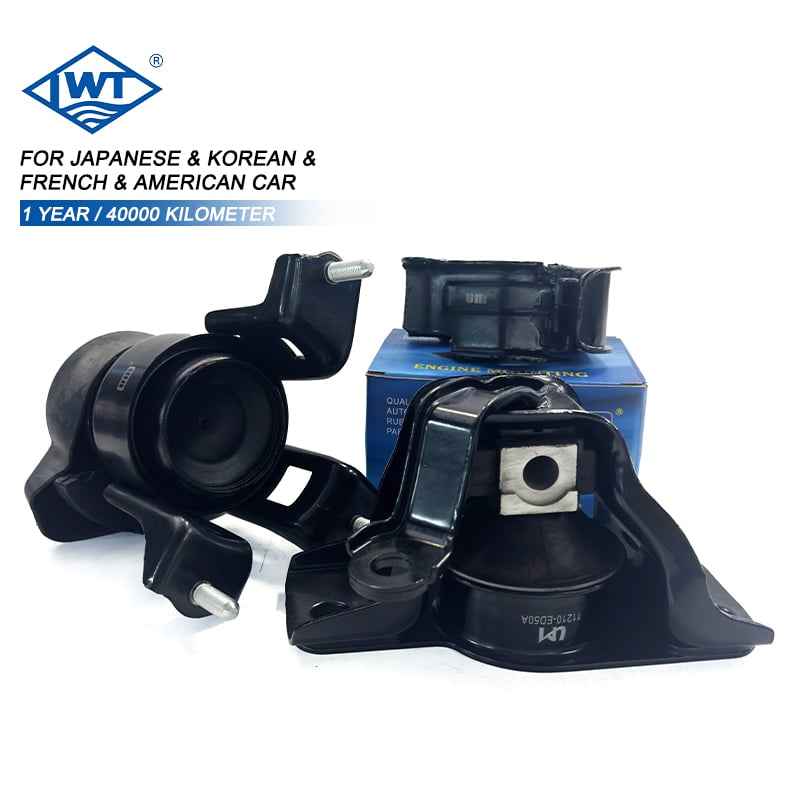
China’s Engine Mount Manufacturing Scale and Vertical Integration
Tier-1–Tier-2 Factories Supply 90% of Global OEM-Grade Engine Mounts
The industrial zones across China are home to specialized manufacturing facilities at different tiers, which actually produce around 90 percent of all OEM quality engine mounts globally. The reason behind this market leadership? Years spent developing highly accurate tools and setting up automated production systems that comply with IATF 16949 requirements. What makes these Chinese manufacturing centers stand out compared to other parts of the world is how they manage to keep costs down while still maintaining consistent product quality. These factories churn out millions of engine mount units every year, each one performing reliably and consistently. From the buyer's perspective, there's peace of mind knowing that these components will fit exactly as specified by car manufacturers, since they undergo strict quality checks and have already been tested extensively during actual vehicle assembly processes.
Vertical Integration Cuts Lead Time by 65%: Rubber, Metal, Assembly, and Testing Under One Roof
The best manufacturers cut their production time down by around two thirds when they control everything from start to finish in one place. They handle all aspects themselves including mixing the rubber, shaping metals, assembling parts with robots, and running tests for vibrations at their own facilities. When companies make their own rubber formulations first, they get better results against heat and wear before attaching them to those precision machined brackets. The automated eye scans check if everything fits within just 0.1 millimeters difference. Then comes the big test where they simulate what happens in actual working conditions to see how long things will last. Getting rid of those middlemen steps speeds things up dramatically so finished products can ship out within days instead of weeks. Plus, having complete control over materials means every part can be traced back to its source, something that's pretty hard to achieve when multiple suppliers are involved in different stages of production.
Just-in-Time Inventory Enabled by China’s Massive Vehicle Production Volume
30.1M Vehicles Produced in 2024 Drives Strategic Engine Mount Buffer Stocking Across 12 Industrial Clusters
In 2024, China rolled out around 30.1 million vehicles off the production lines, accounting for over a third of all cars made worldwide. This massive volume creates incredible opportunities when it comes to planning how much inventory should be kept on hand. Most suppliers keep extra stock of those essential engine mounts spread throughout twelve different manufacturing areas that are strategically placed near where most cars get assembled. These local warehouses usually hold enough parts to cover between 45 to 60 days worth of needs, which dramatically reduces waiting periods compared to getting components shipped from far away places. When companies store their spare parts close to where big car manufacturers operate, they significantly reduce chances of factory shutdowns caused by missing pieces. After all, nearly 92 percent of production halts happen because parts arrive late. With this approach, businesses manage to fulfill emergency orders at an impressive rate of 99.2 percent.
Modular Production Lines Rapidly Switch Between Gas, Diesel, and EV Engine Mount Variants
Factories in China have started using modular production setups that can switch from making combustion engine mounts to electric vehicle versions within about 90 minutes. They achieve this through standardized mounting points, robots that can be programmed for different tasks, and common tooling systems that work across multiple models. The production line might churn out diesel engine mounts first thing in the morning, then shift gears to produce specialized mounts for electric vehicles by lunchtime. This kind of flexibility is really important right now since the market wants both types of products. Electric vehicle adoption rates are climbing fast, around 40% each year according to recent data, but traditional internal combustion engines still play a big role in things like delivery trucks and construction equipment. To keep quality consistent regardless of what's being made, these plants rely on automated cameras and computer systems that check tolerances. These technologies help prevent problems where parts don't match specifications and stop situations where warehouses end up with the wrong stock.
AI-Powered Demand Forecasting Ensures True Inventory Readiness — Not Overstock
How Leading Suppliers Maintain 92% Fill Rate on 7,200+ Engine Mount SKUs
Top suppliers are now turning to AI for forecasting needs, helping them match inventory levels with what's actually happening in the market place for over 7,200 different engine mount parts ranging from small gas engines all the way up to those big electric vehicle isolators. These smart systems look at past sales numbers, what's going on with car manufacturers in different regions, plus real time data coming straight from sensors monitoring things like how many trucks are being built each day. The AI finds connections between these various factors that can spot upcoming demand surges pretty accurately most of the time. For instance, if the system notices more commercial vehicles rolling off assembly lines, it will start sending more of the heavy duty mounts to warehouses where they're needed. Similarly, whenever there's a jump in EV battery production, the inventory management software makes sure enough isolation systems are available right away. All this has led to consistently maintaining around 92% fulfillment rates while cutting down on unsold inventory by about 40% compared to last year. What used to take weeks to process orders now happens within hours, so when wholesalers place their orders, they typically get exactly what they asked for within just a few days instead of waiting weeks for delivery.
Co-Located Ecosystem: Where Global and Domestic Engine Mount Factories Converge
When rubber compounders, forging shops, and assembly plants cluster together within about ten miles of each other in major Chinese industrial areas, something interesting happens. The close distance cuts down on shipping costs between factories by around 40% to maybe even 65% in some cases. This matters a lot when making parts that need careful sequencing of materials like curing rubber, attaching brackets, and then doing all the necessary tests before shipping out. Companies also benefit from having common tools and testing procedures across sites, plus research centers located nearby. When car manufacturers or equipment makers change their specs or introduce new materials, these clusters can respond much faster than traditional setups. What we see at the end is basically a smooth operating system where everything from getting raw materials to producing finished goods works better together. Fulfillment times get shorter and the whole supply chain becomes more reliable for businesses selling products worldwide.
FAQ
Why is China a leader in OEM-grade engine mount production?
China leads in OEM-grade engine mount production due to its advanced manufacturing technologies, automated production systems that meet IATF 16949 standards, and efficient cost management while ensuring high product quality.
How does vertical integration benefit manufacturers?
Vertical integration allows manufacturers to reduce lead times, maintain complete control over materials and processes, and ensure finished products are shipped promptly. It eliminates middleman steps and allows for traceability of every part to its source.
What is the importance of just-in-time inventory for engine mounts?
Just-in-time inventory reduces waiting periods and the risk of factory shutdowns by keeping spare parts near production sites. It enables a rapid response to demand changes and facilitates high emergency order fulfillment rates.
How does AI-powered demand forecasting work?
AI-powered demand forecasting analyzes past sales, existing market conditions, and real-time data to predict demand surges. It adapts inventory levels to market needs, maintaining efficient stock levels and reducing unsold inventories.
What is a co-located ecosystem in manufacturing?
A co-located ecosystem in manufacturing is when suppliers and factories are closely clustered together, minimizing logistics costs and enhancing production efficiency. This setup supports rapid adaptation to changes and ensures a smooth supply chain.
Table of Contents
- China’s Engine Mount Manufacturing Scale and Vertical Integration
- Just-in-Time Inventory Enabled by China’s Massive Vehicle Production Volume
- AI-Powered Demand Forecasting Ensures True Inventory Readiness — Not Overstock
- Co-Located Ecosystem: Where Global and Domestic Engine Mount Factories Converge
- FAQ