
 EN
EN


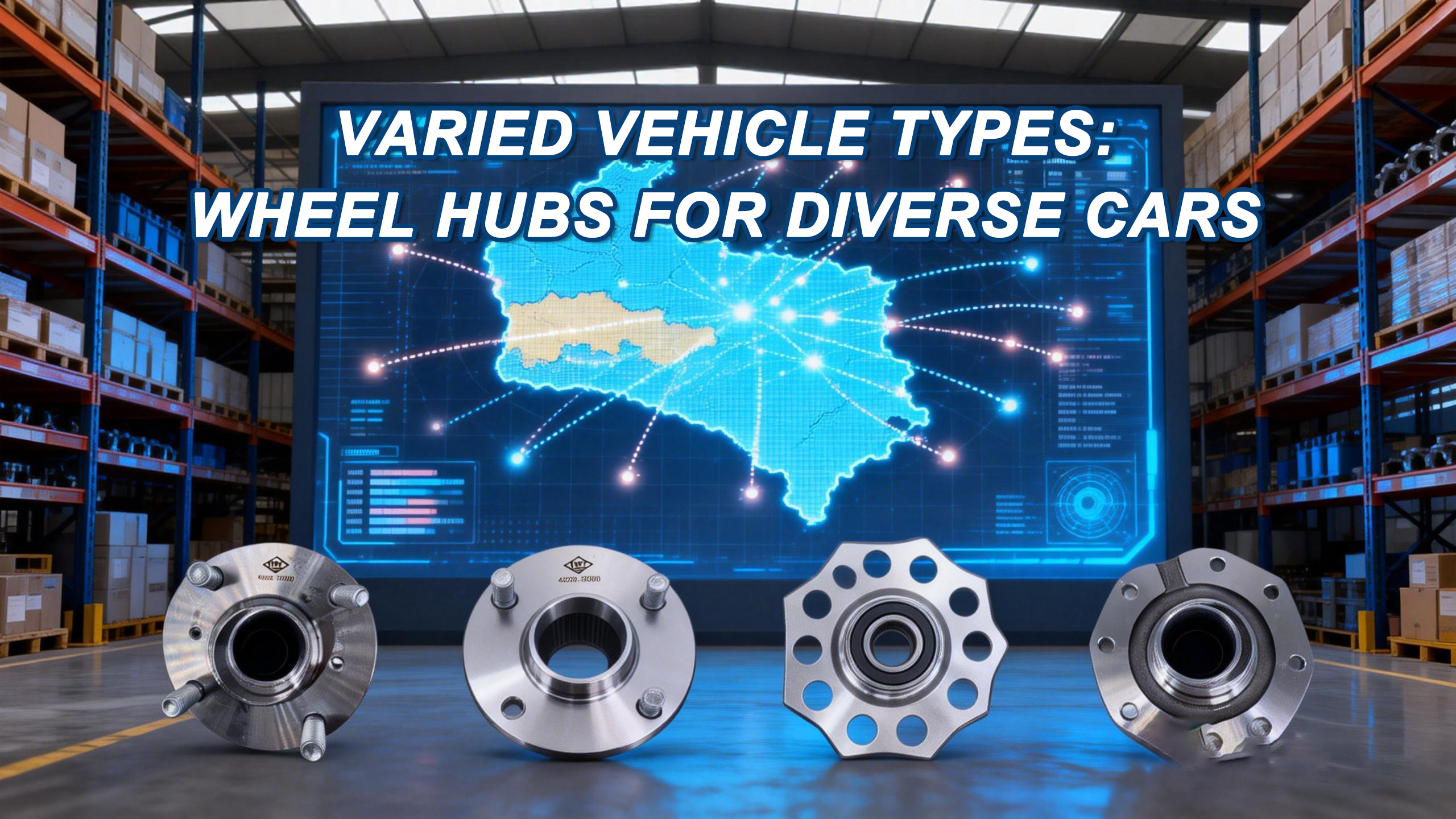
Wheel Hub Types by Vehicle Class and Duty Requirements
Heavy-Duty Wheel Hubs for Trucks and Commercial Vehicles
Wheel hubs built for heavy duty applications stand up to the toughest conditions found in Class 7 and 8 vehicles like those big semi trailers we see on highways or massive dump trucks working construction sites. These hubs come equipped with special tapered roller bearings capable of handling axial forces reaching around 50,000 Newtons. What makes them really tough is their triple seal design that keeps dirt and debris out when operating in dusty environments typical of construction zones. The steel parts are hardened too, so they don't bend or warp even when carrying loads over 25 tons. Some models also have temperature sensors built right into the assembly. These sensors track heat levels while transporting goods long distances, which helps mechanics know when maintenance might be needed before problems occur. Testing done across the industry shows that top quality versions can handle over half a million stress cycles without failing - that's actually three times what regular models manage.
All-Terrain and SUV Wheel Hubs with Enhanced Sealing and Sensor Integration
When it comes to off-road vehicles and SUVs, their wheel hubs need special protection against dirt and moisture plus smart diagnostic capabilities. The double lip labyrinth seals come with hydrophobic coatings that keep out mud and water even when driving through puddles deeper than 80 centimeters. These hubs also include wheel speed sensors that send accurate readings to the vehicle's traction control and hill descent systems. Accelerometers inside can actually sense the force of impacts when navigating rocky terrain. The bearings themselves are bigger in diameter than what we find on regular city SUVs, spreading the load over larger contact areas. According to field tests conducted in real world conditions, these improved sealing solutions cut down bearing failures by around 40 percent in areas where there's lots of fine silt compared to traditional setups. This makes a big difference for anyone who spends time off the beaten path.
High-Performance Wheel Hubs for Sports Cars: Lightweight, ABS-Optimized Designs
When it comes to high performance hubs, what really matters is how well they handle rotation and stopping power. The materials count too forged aluminum alloys combined with those hollow spindle designs can reduce rotational weight by around 30 to 35 percent. And getting things perfectly aligned makes all the difference. These hubs maintain concentricity within fractions of a millimeter, so they stay balanced even when pushing past 200 miles per hour on track days. The magnetic sensors inside work hand in glove with ABS systems, responding almost instantly when drivers hit the limits of their tires. Heat management is another big concern with carbon ceramic brakes generating so much thermal energy. That's why these hubs feature internal cooling passages, plus special coatings that stop metal surfaces from sticking together at extreme temperatures. After countless laps through motorsport testing, engineers have confirmed these components hold their shape and dimensions despite being subjected to continuous forces equivalent to about 5 times gravity during cornering maneuvers.
Driven vs. Non-Driven Wheel Hub Configurations
Front-Wheel-Drive Wheel Hubs: CV Joint, ABS Ring, and Hub Carrier Integration
Modern front wheel drive systems pack quite a few important parts into their hubs. We're talking about CV joints that handle torque transfer even when wheels are turned at different angles, ABS sensors rings to track wheel speed accurately, plus those direct mount connections to the lightweight carrier assemblies. The whole package is built around compact sealed bearings which makes sense because these hubs need to deal with both acceleration forces and lateral stresses from cornering. Plus this design helps balance weight distribution in the vehicle and creates space efficiency issues in the engine compartment where transverse engines live. Manufacturers really appreciate how all these elements work together without taking up too much room.
Rear-Wheel-Drive and 4x4 Wheel Hubs: Tapered Roller Bearings for Torque and Load Handling
The rear wheel drive and four wheel drive hubs depend heavily on those tapered roller bearings to handle all sorts of stress from things like towing big loads, carrying heavy stuff around, and going off road where the terrain gets rough. The cone shaped design spreads out the weight over larger surfaces which helps prevent the metal from getting squashed when torque hits it hard. Most trucks and serious off road vehicles still use live axles because this setup just lasts longer than trying to pack everything into smaller spaces. These bearings work especially well when connected to either manual or automatic locking hubs found in many 4x4 setups. The whole point is to disconnect the wheels that aren't being driven so less strain goes through the entire drivetrain system. Good quality seals keep dirt and water out too, which makes all the difference when driving through mud or crossing streams without worrying about bearing failure down the trail.
Wheel Hub Compatibility: Key Fitment Parameters for OEM and Aftermarket Selection
Getting the right wheel hub installed is no small task and requires paying close attention to several key measurements. First things first, make sure the hub matches both the bolt pattern (known as PCD) and the center bore size of the vehicle. Getting these wrong will lead to annoying vibrations or worse, improper installation that can damage components over time. Then there's offset to consider. This measures how far the mounting surface sits from the wheel's centerline. Get this measurement off and it affects suspension alignment and tire clearance issues might start showing up, especially when turning corners at speed. For vehicles used heavily for towing or in commercial operations, double check that the hub's load rating actually exceeds what the vehicle weighs when fully loaded. Original equipment manufacturer hubs are designed to meet factory specs exactly. Some premium aftermarket options do offer better materials sometimes, but they need thorough checking against those manufacturer diagrams, VIN information, and axle codes before installation. Studies have found that using mismatched hubs can wear down bearings about 40% faster and dramatically raise the chances of failure when making sudden stops or sharp turns.
FAQ
What are the main types of wheel hubs?
Wheel hubs can generally be categorized based on their application, such as heavy-duty for trucks, all-terrain for SUVs, or high-performance for sports cars. Each category has specific features suited to its use.
Why are sealing mechanisms important in wheel hubs?
Sealing mechanisms, like labyrinth seals with hydrophobic coatings, prevent dirt, water, and contaminants from entering the hub, enhancing durability and performance, especially in harsh environments.
What is the significance of matching the bolt pattern and center bore size?
Accurate matching of the bolt pattern (PCD) and center bore size ensures proper fitment, minimizing vibrations and potential damage due to improper installation.
Are aftermarket wheel hubs better than OEM?
While premium aftermarket hubs may offer superior materials, they must meet the vehicle's specifications precisely to avoid accelerated wear or compatibility issues.