
 EN
EN



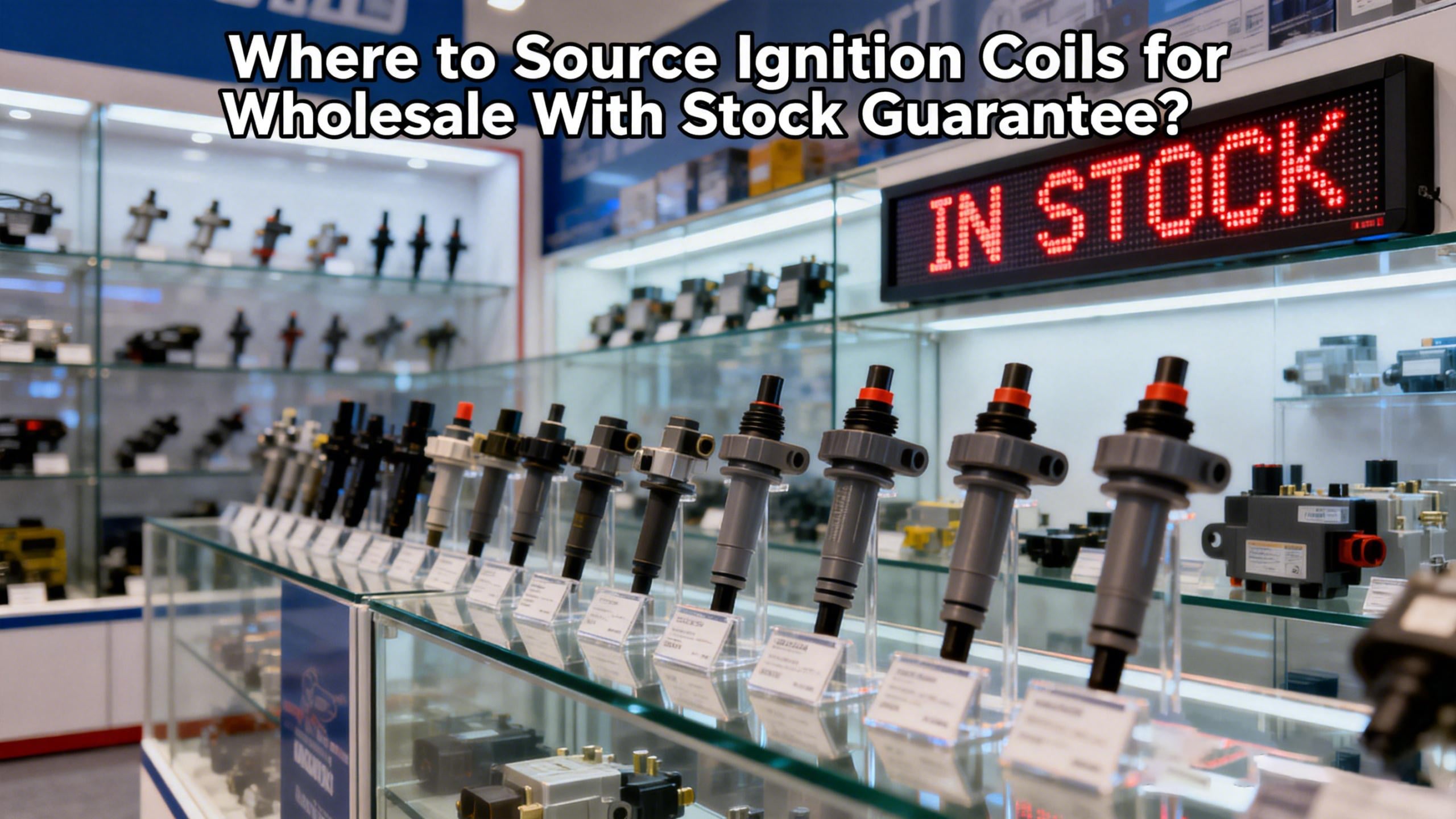
Top Wholesale Distributors Offering Guaranteed Ignition Coil Stock
How Tier-1 Distributors Use JIT Inventory and Live Stock APIs to Ensure Real-Time Availability
Top distributors keep shelves stocked by aligning their Just-in-Time (JIT) inventory systems with what manufacturers are actually producing on the factory floor. These days, most companies use real time stock APIs that push live availability info straight into their wholesale platforms. When inventory dips below certain levels, the system kicks in and orders more automatically. The results speak for themselves: businesses report cutting down on storage expenses somewhere between 18 to 30 percent, all while maintaining around 98.5% fulfillment rates even for tricky parts such as ignition coils. Smart companies also employ predictive algorithms these days. These tools look at past sales numbers alongside seasonal repair patterns across different regions. Based on this analysis, they tweak safety stock levels before demand suddenly jumps in specific areas, which helps avoid those frustrating last minute scrambles for parts.
5 Trusted U.S. Ignition Coil Wholesalers with Verified Stock Guarantees
The big distributors actually support what they promise by running formal wholesale programs that come with solid stock commitments. Their systems bring together both OEM parts and those from the aftermarket for ignition coils, complete with live inventory updates across multiple locations. They've set up regional warehouses that typically fulfill orders within 48 hours as per service level agreements, plus they offer different pricing tiers based on how much someone buys at once. The verified programs also have these handy dashboards where anyone can see exactly what's in each warehouse, along with automatic notifications when it's time to restock. Keeping extra stock around, particularly for newer car models, really makes a difference. Without these safety nets, mechanics often face frustrating waits of up to three weeks just to get replacement parts when there's a shortage going on.
Aftermarket Ignition Coil Supply Chain: From Manufacturer to Wholesaler
Global Sourcing Pathways: How Denso, NGK, Bosch, and SMP Deliver Ignition Coils to U.S. Wholesalers via Regional Hubs and Fulfillment Centers
The big players in the market - Denso, NGK, Bosch, and SMP - have set up shop across North America with distribution centers right in Chicago, Memphis, and Los Angeles. These strategic locations mean most domestic wholesalers get their parts within 48 hours, covering about 90% of the country. The whole system works out cheaper too, cutting down on shipping expenses by roughly 30% compared to sending stuff straight from overseas. And they haven't compromised on quality standards either, keeping everything up to factory specs. At these warehouses, vendor managed inventory setups watch closely over stock levels. When things start running low, the EDI systems kick in automatically to order more parts before anyone even notices there might be a shortage. This helps keep coils readily available even when the supply chain gets shaky or unpredictable.
OEM vs. Aftermarket Channels: Why Consolidated Aggregators Improve Ignition Coil Stock Access for Mid-Tier Wholesalers
Most traditional OEM channels tend to favor those big volume buyers, which leaves mid-sized wholesalers struggling to get their fair share. That's where consolidated aggregators come in handy. These platforms basically gather orders from different distributors all at once. When companies pool their buying power like this, they can negotiate better minimum order quantity deals. Plus there's this shared warehouse system that cuts down on storage expenses quite a bit actually around 40% according to Sourcing Journal last year. And let's not forget about the convenience factor too these aggregators stock over 200 different ignition coil models right there in one place. Getting rid of all those extra steps in the supply chain really makes a difference. Instead of waiting weeks for parts, shipments arrive within days now. The inventory tracking systems are pretty smart too, using APIs to keep tabs on stock levels so nobody runs out when business picks up unexpectedly.
How Manufacturer Scale and Order Volume Impact Ignition Coil Pricing and Stock Reliability
Volume-Based Cost Savings and MOQ Trade-offs: Insights from SMP's 2023 Supplier Benchmark Report
When it comes to making ignition coils in large volumes, manufacturers can cut their costs per unit by about 15 to maybe even 30 percent. They do this mainly by getting better deals on raw materials and improving how they put things together on the production line. Industry reports from last year back this up as well. But there's a catch here. These cost savings usually require ordering products in big batches. Most top tier suppliers want at least 500 pieces before they'll work with anyone, sometimes going all the way up to 2,000 units for bigger orders. The problem gets real for small businesses trying to manage inventory. If they buy too much to hit those minimums, they end up stuck with extra stock that sits around taking up space. And when demand suddenly spikes, those same companies might find themselves running out completely because they were afraid to take risks with larger orders.
Low MOQ suppliers typically handle orders between 50 to 200 units and do provide some flexibility, though they often come with price tags that are 20 to 40 percent higher than bulk purchases. These smaller suppliers also tend to have limited inventory reserves which makes their reliability questionable during peak times. For wholesalers trying to keep costs down while maintaining steady supply chains, matching order quantities to actual sales projections works best. Working with distributors who offer consignment models or other flexible shipping arrangements can make all the difference. According to a recent study from last year, companies that got better at matching minimum order requirements with real market demand saw around two thirds fewer stockouts, and interestingly enough, their profit margins stayed intact instead of getting squeezed.
| Order Volume Tier | Avg. Price Premium | Stock Reliability Risk | Ideal Use Case |
|---|---|---|---|
| High (>1,000 units) | 15%e2%80%9330% discount | Low | Steady-demand models |
| Medium (200%e2%80%93500) | %C2%B15% vs. market | Moderate | Seasonal/regional variations |
| Low (<200) | 20%e2%80%9340% premium | High | Niche/OBS applications |
Source: 2023 Automotive Supplier Benchmark
Payment terms also influence operational agility: 45%e2%80%9360 day net periods with large suppliers improve cash flow but require disciplined inventory planning to avoid obsolete stock%e2%80%94particularly for rapidly evolving ignition system platforms.
FAQ
What is a Just-in-Time (JIT) inventory system?
A JIT inventory system is a strategy where raw materials and goods are only ordered and received as they are needed for the production process, which reduces inventory costs.
How do live stock APIs benefit wholesalers?
Live stock APIs provide real-time updates on inventory levels, allowing wholesalers to automatically order more stock when levels fall below a set threshold, enhancing fulfillment rates and reducing storage costs.
Why do wholesalers use consolidated aggregators?
Consolidated aggregators allow mid-tier wholesalers to pool their buying power to negotiate better pricing and order quantities, as well as streamline inventory management through shared warehouse systems, reducing expenses and improving accessibility.
How do volume-based cost savings work?
Manufacturers achieve cost savings by ordering large volumes, which reduces their per-unit costs through economies of scale. However, this often requires ordering in bulk, which can be challenging for smaller businesses with storage limitations.