
 EN
EN



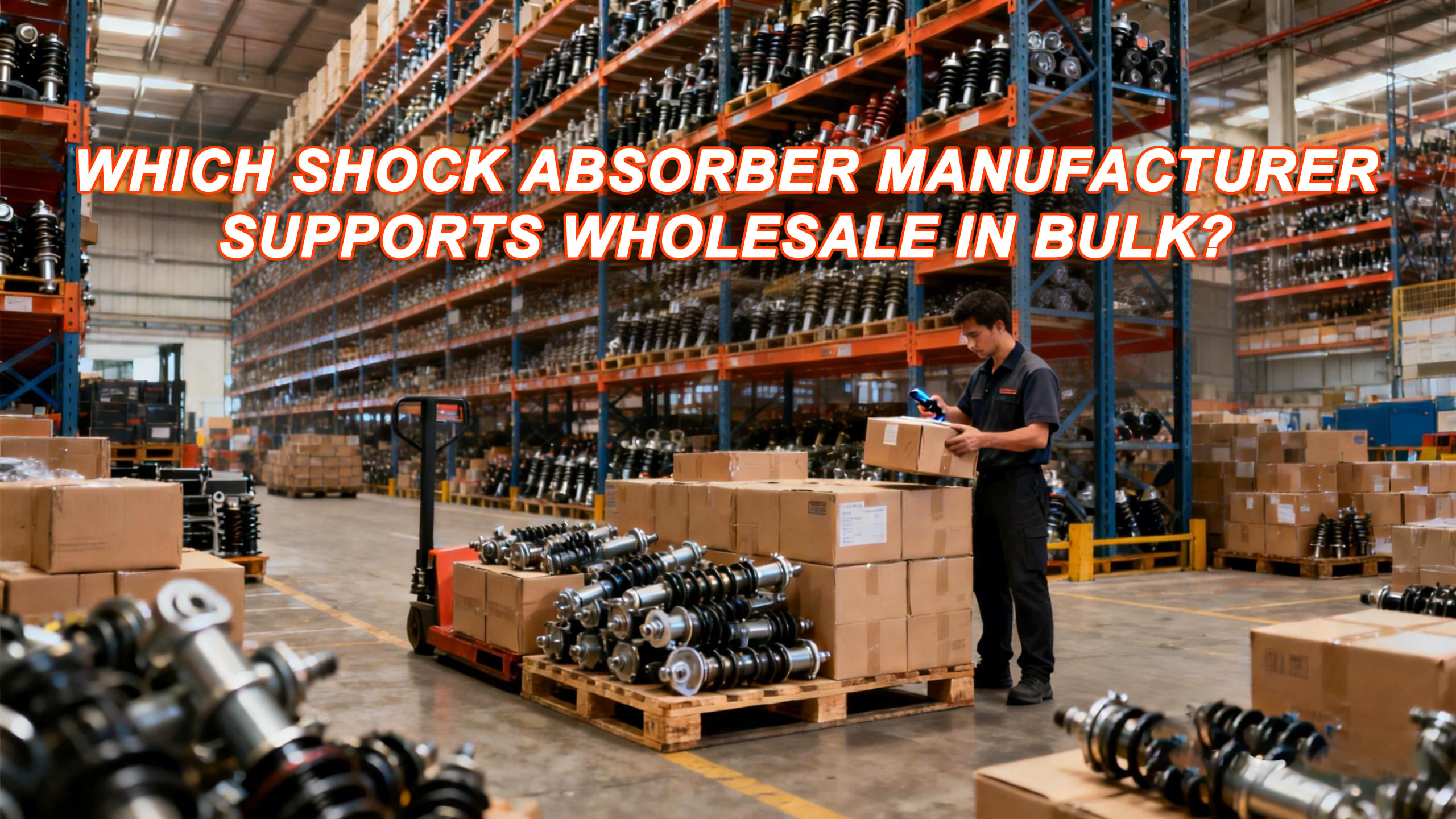
Leading Global Shock Absorber Manufacturers with Proven Bulk Wholesale Programs
KYB: OEM-Integrated Supply Chains and Tier-1 Aftermarket Bulk Distribution
KYB has carved out a strong position in the global market thanks to its close relationships with major car manufacturers as an Original Equipment Manufacturer (OEM). These partnerships allow them to produce parts in massive volumes with incredible precision, all supported by their ISO/TS 16949 quality certifications. When it comes to bulk orders, KYB handles everything from container-sized shipments upwards, making sure products get distributed efficiently via palletized logistics throughout well over 100 countries worldwide. The company isn’t just focused on OEM work either. Their separate aftermarket team runs several regional warehouses around the globe, which cuts down wait times significantly, usually getting products delivered within about five weeks or so. With automated factories cranking out more than 50 million components each year, KYB places special emphasis on how well these parts dampen vibrations and resist rusting. These features really matter when selling wholesale because nobody wants unreliable parts sitting on store shelves.
ZF (Sachs & Lemfölder): Dual-Channel Bulk Fulfillment for Automotive and Commercial Vehicles
ZF uses its Sachs and Lemfölder branches to target different markets. Sachs handles those mass-produced shocks for regular cars, whereas Lemfölder focuses on tougher stuff needed for trucks and commercial vehicles. The company has developed something they call a dual-channel approach which basically means they can handle all sorts of bulk buying arrangements. Think everything from small container loads right up to full production runs, with minimum order quantities adjusted based on what distributors can actually manage. Their factories around the world are certified under IATF 16949 standards, and most people say they deliver on time about 98 out of 100 times when dealing with large orders. What makes their products stand out is this special damping tech they’ve developed. It helps commercial vehicles adjust better to changing loads, and according to tests, parts last roughly 40% longer than what competitors typically offer. ZF also strategically placed warehouses close to major ports so shipping gets consolidated, usually taking about 30 days from order to delivery. Plus there’s this online system where wholesalers can check stock levels in real-time and even set up automatic restocking alerts when supplies get low.
Key Wholesale Requirements: MOQs, Lead Times, and Certifications for Shock Absorber Procurement
Typical Minimum Order Quantities and Scalable Logistics Across Top Suppliers
When buying in bulk, understanding minimum order quantities (MOQs) and having flexible logistics is essential. Most reliable manufacturers will ask for at least 500 units for their standard products, while custom designs usually need somewhere between 2,000 to 10,000 units because of the tooling costs involved. First-time bulk orders tend to take around 8 to 12 weeks to arrive, though companies that establish regular purchase agreements can often get delivery down to just 2 to 4 weeks. For shipping options, businesses should consider using ocean freight containers when budget matters most (transit takes about 60 to 90 days), reserving air express services for those really tight deadlines where getting goods there within 3 to 5 days makes all the difference. Setting up consolidation points in places like Rotterdam and Singapore helps save money on overall shipping expenses by roughly 18 to 25 percent. Plus, modern inventory systems running in the cloud make it possible to coordinate just-in-time deliveries right into warehouses worldwide. Many suppliers also offer graduated MOQ levels, including smaller test runs below 500 units, giving wholesalers a chance to try out new product lines without committing to huge volumes upfront.
ISO/TS 16949, IATF 16949, and Regional Compliance for Bulk Export Readiness
Shock absorbers built to automotive-grade specs for export need to pass through a maze of certification requirements. The old ISO/TS 16949 standard set the bar for quality control during design and manufacturing processes, but most companies now follow IATF 16949 instead, which focuses more on preventing defects throughout the whole supply network. Different regions have their own rules too. European markets demand ECE R90 certification that proves at least 100 thousand cycles of durability. Over in North America, products must comply with FMVSS regulations, while Chinese authorities require CCC markings before anything gets approved. Paperwork piles up fast when exporting these parts. Manufacturers need MSDS documents for all hydraulic fluids used, plus test results showing compliance with RoHS and REACH environmental standards. Products also need to demonstrate IP67 water resistance ratings. Labs must verify salt spray corrosion resistance lasting over 500 hours and conduct vibration tests according to UN 38.3 transportation guidelines. Getting labels right matters a lot too. Multilingual packaging needs HS codes and proper safety warnings printed clearly. Customs officials reject shipments without correct documentation, sometimes costing companies between ten to fifteen percent extra in fees and delays.
Sourcing Channels for Shock Absorber Wholesale: Authorized Distributors vs. Direct Factory Partnerships
Advantages and Risks of Gray Market Sourcing in Bulk Shock Absorber Procurement
Buying from the gray market does offer some quick cash savings usually around 15 to 30 percent cheaper than what dealers charge thanks to selling off leftover stock or taking advantage of price differences between regions. This can be handy when there’s a shortage going on in the regular supply channels. But let’s not forget the big downsides here. According to the Global Brand Counterfeiting Report from last year, about one out of five shock absorbers sold in the gray market are fake copies. That means they’re way more likely to fail and put drivers at serious risk. Most car companies won’t honor their warranties if something breaks down after buying gray market parts either, so all the repair costs fall squarely on whoever bought them. Nobody really knows where these parts have been stored or how they were handled along the way which might affect things like seals holding tight, fluids staying stable inside, or even basic structural strength over time. There are also legal troubles waiting in the wings including getting caught by customs officials for using counterfeit products and facing lawsuits over patented technologies. When businesses buy large quantities, the headaches from possible recalls, dealing with warranty issues, and damaging their reputation typically make those small initial savings look pretty insignificant in comparison.
Regional Export Strengths: Where to Source Shock Absorbers for Global Bulk Distribution
The way different regions specialize affects everything when buying shock absorbers for large-scale distribution around the world. Look at Asia Pacific first since they produce most of these parts globally. China makes about half of all shock absorbers worldwide thanks to their complete supply chains and lower labor costs. Moving across to Europe, manufacturers there focus on top-tier performance for luxury vehicles, sticking closely to those ISO and IATF quality standards that many companies require. North American plants bring something different to the table with their use of cutting-edge materials and robot-assisted quality checks, but expect to pay roughly double what similar products cost in Asia. Latin American factories tend to make budget-friendly options tailored specifically for cars common in their own markets. Meanwhile, new factories popping up in Eastern Europe are becoming solid middle ground choices where prices stay reasonable while meeting increasingly strict regulations. Smart buyers know which region handles what kind of requirement best whether it’s how well shocks absorb impacts, how they hold up against harsh weather conditions, or getting the right certifications needed for specific markets.
FAQ
What are the key certifications for shock absorber manufacturers?
Key certifications include IATF 16949 for quality management, ECE R90 in Europe for durability, FMVSS in North America, and CCC in China. Compliance with environmental standards like RoHS and REACH is also important.
How do lead times vary for bulk orders of shock absorbers?
Lead times for bulk orders generally range from 8 to 12 weeks for first-time purchases, but regular agreements can reduce this to 2 to 4 weeks. Shipping via ocean freight can take 60 to 90 days, while air express may deliver within 3 to 5 days.
What are the risks related to sourcing shock absorbers from the gray market?
Sourcing from the gray market can lead to counterfeit products, void warranties, potential legal issues, and increased failure rates. These risks often overshadow the initial cost savings.
Table of Contents
- Leading Global Shock Absorber Manufacturers with Proven Bulk Wholesale Programs
- Key Wholesale Requirements: MOQs, Lead Times, and Certifications for Shock Absorber Procurement
- Sourcing Channels for Shock Absorber Wholesale: Authorized Distributors vs. Direct Factory Partnerships
- Regional Export Strengths: Where to Source Shock Absorbers for Global Bulk Distribution
- FAQ