
 EN
EN



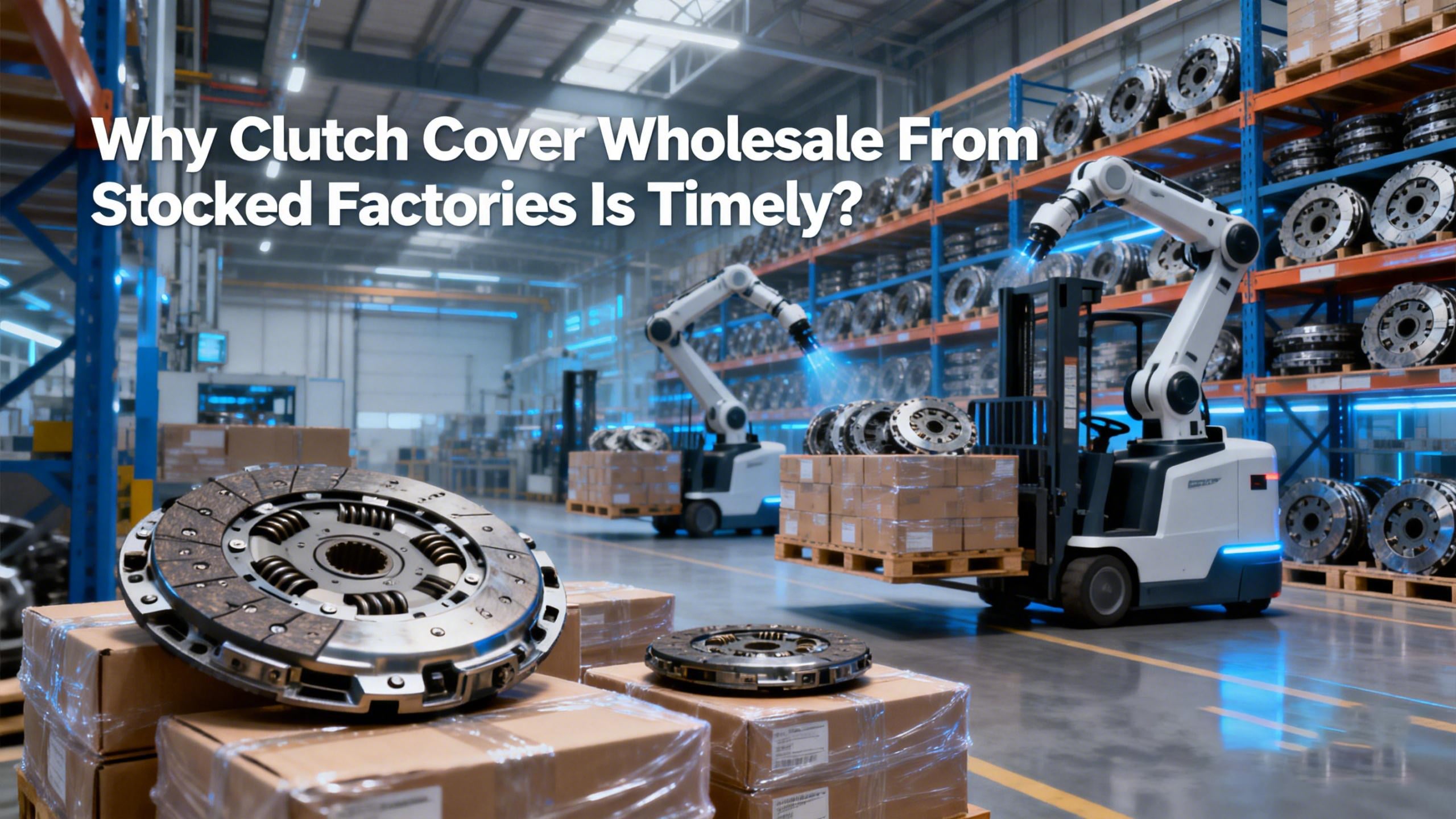
The Supply Chain Crisis: Why In-Stock Clutch Cover Inventory Cuts Lead Times
Rising OEM Delays and Aftermarket Backorders Are Straining Distributors
The global supply chain situation is getting really tough these days. Original Equipment Manufacturer lead times for car parts have gone up around 40% compared to what they were back in 2021. According to some industry numbers floating around lately, about seven out of ten distributors are dealing with clutch cover backorders that last eight weeks or longer. This means they often have no choice but to tell repair shops they can't fulfill their requests. What's causing all this? Well, there's just not enough materials coming through, ships keep getting delayed, and factories sometimes shut down completely. All this adds up to serious financial hits for distributors who lose roughly $740,000 each year due to missed sales opportunities and those expensive rush shipping charges. And when something essential like a clutch cover isn't available, what happens? Repairs that should take just a few days end up taking weeks instead. That kind of delay doesn't just cost money it also erodes customer confidence over time.
Safety Stock as a Proven Buffer Against Logistics Disruption
Keeping some extra stock around helps companies avoid relying on just one supplier and can handle unexpected problems in the supply chain. Take clutch covers for example these are parts that go through a lot of turnover. When distributors keep between 15 to 30 days worth in stock, they see about two thirds fewer instances where they run completely out during those crazy situations at ports or when there's a major storm hitting production. This is very different from the old school just-in-time approaches where everything falls apart if shipping takes twice as long suddenly. Companies that actually look at what customers want before deciding how much safety stock to hold tend to need emergency air freight services about 32 percent less often and their storage expenses drop by roughly 19%. The bottom line? Having some buffer inventory turns those unpredictable supply chain headaches into something businesses can actually manage rather than constant crises.
Clutch Cover Wholesale Economics: Lower TCO Through Guaranteed Availability
Volume Margins vs. JIT Premiums — How Stocked Inventory Reduces Hidden Costs
Buying clutch covers in bulk rather than relying on Just-In-Time delivery can save manufacturers a lot of money in the long run. When companies place large orders with wholesalers who keep inventory on hand, they typically get prices that are between 20 and 30 percent cheaper per unit. The problem with JIT systems is all those hidden costs nobody talks about upfront. Think about what happens when production grinds to a halt waiting for parts: emergency shipments cost upwards of $4,000 each time, factories lose around $5,000 every hour they're not running, and there's always extra money going into maintaining backup supplies. Plants that maintain some level of safety stock tend to cut down on these surprise expenses by about 34%. Having pre-stocked clutch covers means none of these issues even come up. Wholesalers handle the ups and downs of demand, so machines keep running without interruption or costly backorders. Over three years, this approach generally results in total ownership costs that are roughly 17% lower than what manufacturers pay with traditional JIT methods.
Tiered Pricing Models for Clutch Cover Bulk Orders with No Allocation Risk
Progressive discount structures reward larger orders while guaranteeing fulfillment—unlike allocation-dependent suppliers. Distributors with deep inventory offer transparent, risk-free tiers:
| Order Quantity | Discount | Availability Guarantee |
|---|---|---|
| 500–1,000 units | 15% | 48-hour shipment |
| 1,001–5,000 units | 22% | 24-hour shipment |
| 5,001+ units | 30% | Reserved warehouse allocation |
This model eliminates shortage-driven price surges and order reductions. Procurement teams avoid premium spot-market purchases during shortages, gain predictable budgeting with locked annual rates, and cut administrative overhead by 40% through consolidated shipments—delivering 25% lower ownership costs versus transactional purchasing.
Quality Assurance Without Compromise: How Pre-Stocked Clutch Covers Meet OEM Standards
Certified Materials, Torque Consistency, and Batch Traceability in High-Turnover Stock
Stock clutch covers keep their OEM level quality because they go through strict material checks, proper torque testing, and have digital records for each batch. The materials get tested in labs to make sure they can handle the same heat and stress as what the factory specs require. This means they perform reliably even when things get really hot under the hood. For torque consistency, these parts actually get put through their paces in simulated stress tests. Every single cover has to pass without bending or breaking at the loads specified by manufacturers. Each part also gets laser markings that show exactly when it was made, where the metal came from, and all the quality notes. This tracing system cuts down on problems later on and makes recalls much faster when something goes wrong. Mechanics and distributors get clutch covers that match factory originals, complete with full paper trails. Warranty issues drop by around 34% compared to cheaper alternatives that don't have this kind of documentation. Even when inventory turns over quickly, the system keeps making sure everything leaving the warehouse meets those original engineering standards.
Strategic Sourcing Advantage: Selecting a Clutch Cover Wholesale Partner With True Stock Depth
Finding a wholesale partner who actually has deep verified inventory makes all the difference in building resilient supply chains for industrial buyers. Companies that keep good stock levels of clutch covers on hand can avoid allocation headaches when demand spikes. This means they can keep fulfilling orders even when materials are scarce or there's some kind of global disruption going on. The math adds up fast too. Production stops due to parts shortages cost manufacturers around $740,000 every hour according to industry data. Real stock partners show their seriousness by providing live inventory updates and detailed batch tracking information so availability is clear before anyone places an order. Working with these kinds of partners cuts down on unexpected costs from rush shipping fees and also reduces the need to maintain extra safety stock sitting around unused. For anyone looking at potential suppliers, warehouses that have been checked by independent auditors should be at the top of the list rather than companies making vague just-in-time delivery promises.
FAQ
Q1: Why are OEM lead times increasing for clutch covers?
A1: OEM lead times are increasing due to a lack of materials, shipping delays, and factory shutdowns, contributing to the extended waiting periods for automotive parts.
Q2: How does keeping a safety stock aid distributors?
A2: Maintaining a safety stock allows distributors to manage unexpected supply chain disruptions, reducing stockouts and reliance on costly emergency freight services.
Q3: What are the cost benefits of bulk purchasing clutch covers?
A3: Bulk purchasing offers a 20-30% reduction in unit costs and avoids unexpected expenses associated with Just-In-Time delivery, like rush shipping and downtime costs.
Q4: What assurance does pre-stocked inventory provide?
A4: Pre-stocked clutch covers are subjected to strict quality checks, ensuring they meet OEM standards and maintain reliability, thus reducing warranty issues.
Q5: What should manufacturers look for in a wholesale partner?
A5: Manufacturers should seek wholesale partners with verified inventories, live updates, and reliable batch tracking to mitigate the risks of demand spikes and supply disruptions.
Table of Contents
- The Supply Chain Crisis: Why In-Stock Clutch Cover Inventory Cuts Lead Times
- Clutch Cover Wholesale Economics: Lower TCO Through Guaranteed Availability
- Quality Assurance Without Compromise: How Pre-Stocked Clutch Covers Meet OEM Standards
- Strategic Sourcing Advantage: Selecting a Clutch Cover Wholesale Partner With True Stock Depth