
 EN
EN



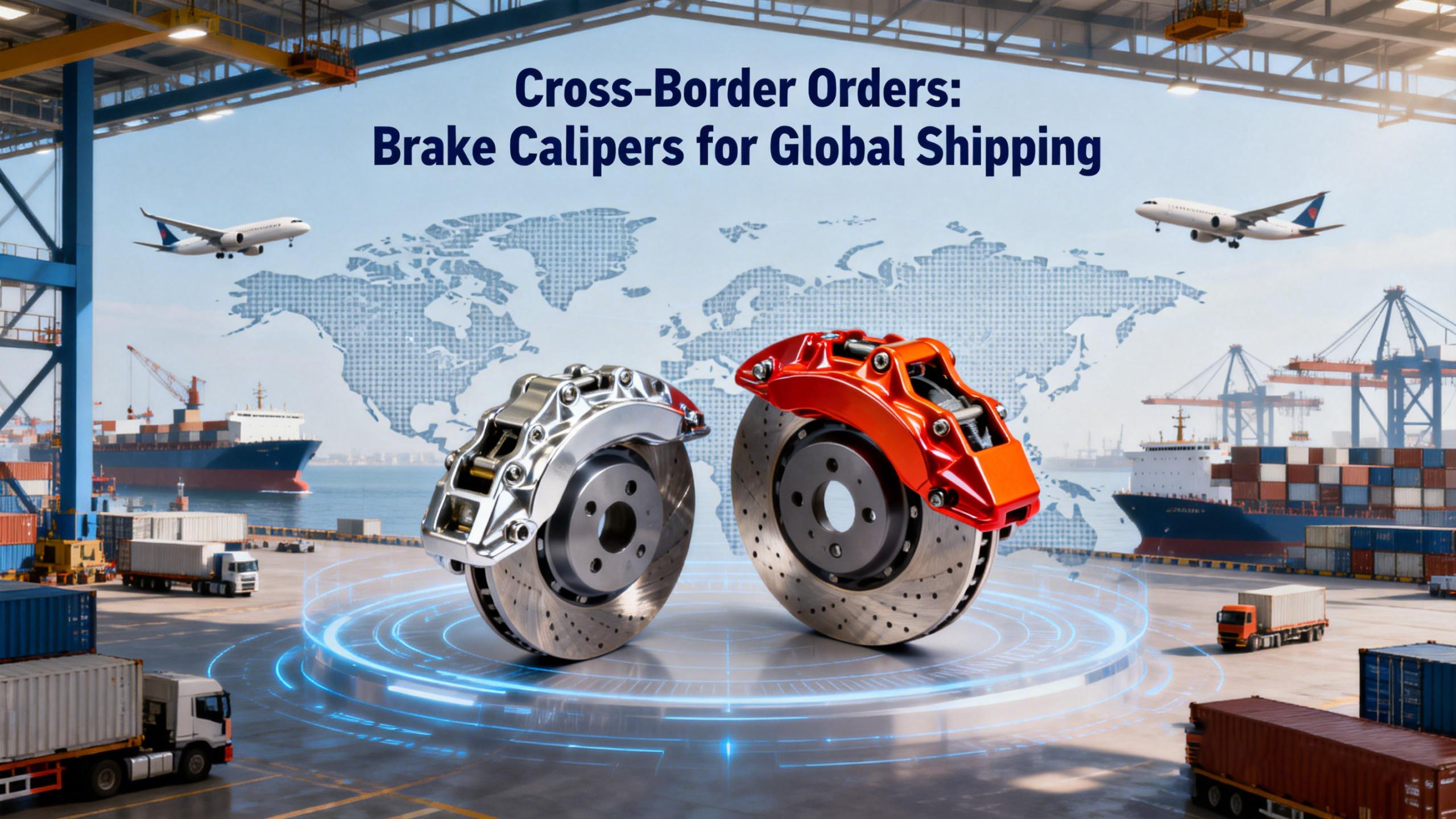
Why Brake Caliper Shipments Face Disproportionate Customs Delays
HS Code Ambiguity: How Misclassification Between 8708.30 and 8708.99 Triggers Holds
Shipment of brake calipers often gets stuck at customs because people get confused about the right HS code classification. There's this constant back and forth between HS 8708.30 for actual brake parts and HS 8708.99 for all those other random car bits. What makes things tricky is that calipers do two different jobs at once they push the brake pads hydraulically but also hold everything together structurally. When companies mix up these codes on their paperwork or just leave out why they chose what they did, customs officers start digging deeper with manual checks. Looking at numbers from last year, cars parts that were wrongly classified took around 30% more time to clear through customs compared to items with correct documentation, says the World Customs Organization report.
Proactive shippers mitigate risk by pre-validating codes against destination-country customs databases, including technical schematics that clarify caliper function in shipping documentation, and using dual-code declarations with explanatory notes where jurisdictional guidance is unclear.
Real-World Impact: Case Study of a 42-Day EU Clearance Delay and Recovery Steps
When a shipment of brake calipers heading to the EU got stuck at Rotterdam port for an entire month, it highlighted just how costly classification disputes can be. Customs officials took issue with the HS 8708.30 code applied to these parts, wanting proof they were specifically for braking systems rather than something that might integrate into the vehicle's overall frame. The company didn't realize until too late that they had only ten days to submit those engineering certificates proving compliance. With that deadline missed, the cargo ended up in a bonded warehouse where storage costs started piling up at €185 per day. What should have been a straightforward import turned into a financial headache nobody saw coming.
The successful recovery involved three main steps working together. First, they brought in a local customs broker who handled the backdated classification ruling. Second, they submitted all their ISO 9001 certified manufacturing documents complete with detailed notes on each component's function. And third, they managed to get penalty reductions by showing they had made genuine efforts to comply, including their previous use of automated HS code checking software. Looking at this situation gives us insight into what's happening across the industry. According to the latest numbers from the International Chamber of Commerce trade survey released in 2024, around two thirds of car part exporters are now running automated HS code checks before sending shipments out. This trend makes sense when we think about how complicated international regulations have become lately.
Brake Caliper Tariff Volatility and Landed Cost Optimization
Market Snapshot: Tariff Trends (2020–2024) for Brake Calipers in the US, EU, Mexico, and ASEAN
The brake caliper tariff landscape saw major swings across different regions from 2020 through 2024. American import duties got tweaked no fewer than three times thanks to those Section 301 measures against China. Meanwhile, European Union countries adjusted their rates as they dealt with these new carbon border taxes. Mexico kept its basic tariff levels pretty much the same during this period, but started cracking down harder on verifying where products actually came from. Down in Southeast Asia, members of the ASEAN group offered better access conditions for brake calipers under their big trade deal called RCEP. All these shifting rules meant companies faced wildly different costs for exactly the same shipment depending on when it arrived at port. Some businesses saw their profit margins shrink by over 18% just from one quarter to the next, making budget planning almost impossible to get right.
Practical Solution: Integrating Real-Time HS Validation with Automated Duty Estimation
Many top exporters have started incorporating real time HS code checks right into their shipping processes these days. They basically match product details against the latest international tariff info to make sure everything fits properly under categories such as 8708.30. When combined with those smart duty calculation tools, companies can figure out what they'll actually pay once goods arrive at destination ports. These systems take into account all sorts of things including today's tariff rates, special trade deals between countries like USMCA or CPTPP, sometimes even anti dumping fees get thrown in there too. And let's not forget about converting currencies on the fly since exchange rates fluctuate so much from day to day.
Companies using this integrated approach reduce classification errors by 92% and achieve landed cost accuracy within a 3% variance band—even amid ongoing tariff instability—enabling reliable budgeting and pricing decisions.
Critical Documentation Requirements for Brake Caliper Exports
Exporting brake calipers demands rigorous documentation discipline to avoid customs holds, compliance penalties, and demurrage. Essential documents include:
- A commercial invoice specifying the precise HS code (typically 8708.30 or 8708.99), transaction value, and full product specifications
- A packing list detailing net/gross weights, dimensions, and packaging materials
- A bill of lading or airway bill serving as the transport contract
- A certificate of origin validating eligibility for preferential treatment under agreements like USMCA or CPTPP
For safety-critical components such as brake calipers, regulators in the EU and ASEAN increasingly require technical certifications—including ISO 9001 quality management certification and SAE J2521 performance validation—to substantiate conformity with regional safety standards.
In 2023, about 38% of delays in automotive parts shipments were due to missing or inconsistent paperwork according to Global Trade Review, which ended up costing companies around $175 per day in demurrage fees on average. Exporters looking to avoid these headaches need to double check their documentation process. The first step is making sure all papers match what's required by the country where they're shipping to. Second, working with licensed customs brokers before shipment becomes critical, particularly important for expensive items or those under strict regulations such as brake calipers that have specific safety standards across different markets.
FAQ
What is an HS code and why is it important for brake calipers?
An HS code is a standardized international nomenclature for classifying traded products. It is crucial for brake calipers to ensure accurate tariff applications and avoid customs delays.
How can companies reduce customs clearance time for brake calipers?
Companies can reduce customs clearance time by validating HS codes against destination-country databases, including technical schematics in documentation, and using dual-code declarations with explanatory notes.
What steps can be taken if brake caliper shipments face delays?
Engage a local customs broker for re-classification, submit certified manufacturing documents, and demonstrate genuine compliance efforts to potentially reduce penalties.
Why are some regions experiencing tariff volatility for brake calipers?
Tariff volatility arises from adjustments in international trade measures, anti-dumping enforcement, and regional agreements affecting brake calipers.
What documentation is required for exporting brake calipers?
Essential documentation includes a commercial invoice, packing list, bill of lading, and technical certifications like ISO 9001 for compliance with safety standards.
Table of Contents
- Brake Caliper Tariff Volatility and Landed Cost Optimization
- Critical Documentation Requirements for Brake Caliper Exports
-
FAQ
- What is an HS code and why is it important for brake calipers?
- How can companies reduce customs clearance time for brake calipers?
- What steps can be taken if brake caliper shipments face delays?
- Why are some regions experiencing tariff volatility for brake calipers?
- What documentation is required for exporting brake calipers?