
 EN
EN



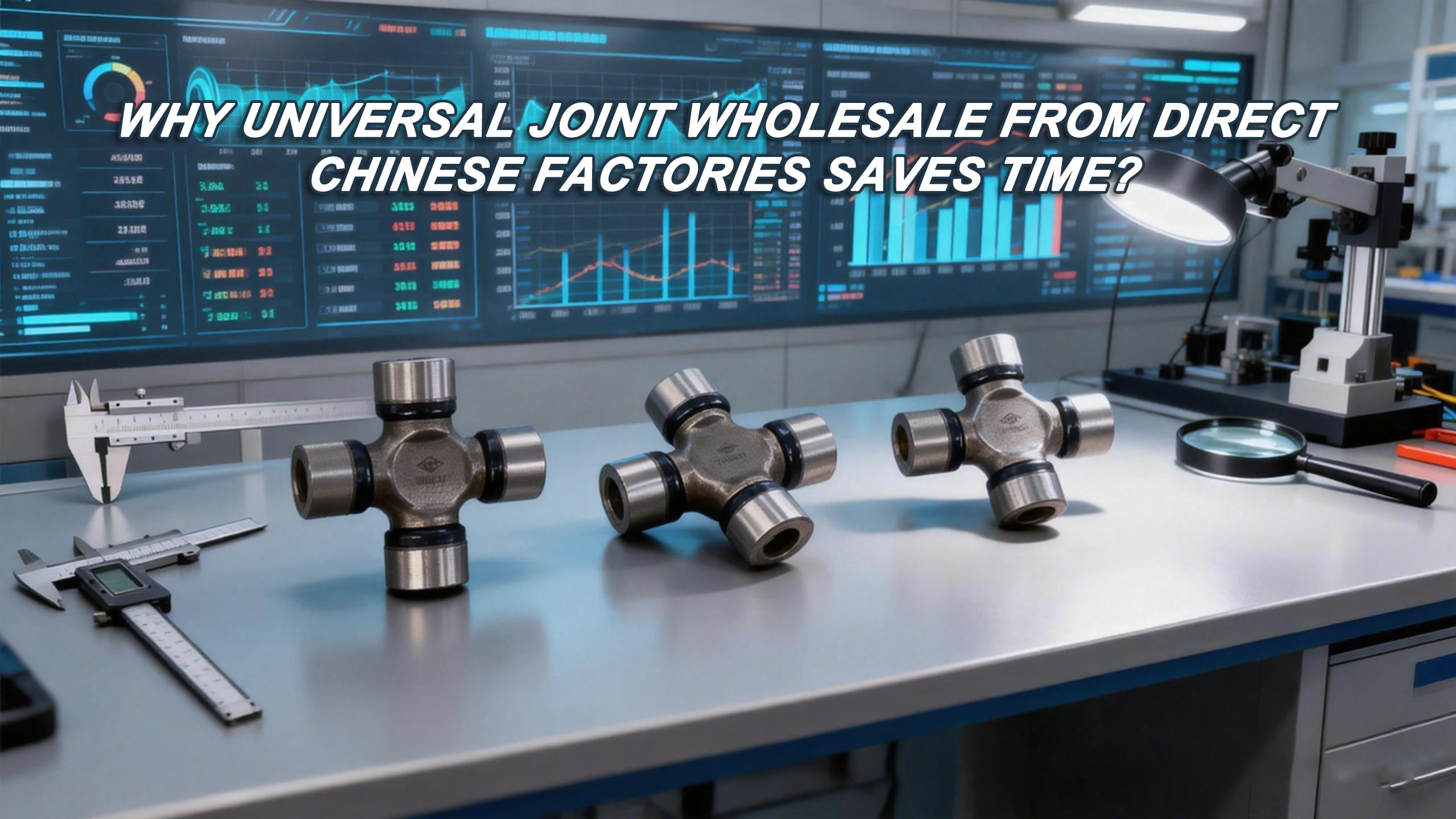
The Lead Time Gap: Intermediaries vs. Direct Universal Joint Sourcing
Quantifying the Delay: 14–22 weeks with distributors vs. 6–9 weeks factory-direct
Getting universal joints from distributors usually means waiting between 14 to 22 weeks for delivery, which is almost three times longer than the 6 to 9 weeks it takes when ordering straight from the factory. That extra wait time of around 8 to 13 weeks really messes up project schedules and drives up inventory costs. When there are these kinds of delays happening, manufacturing operations basically come to a standstill. Assembly lines stop running, orders get backed up, and customers start getting impatient. Most distributors keep stock spread out across several warehouses, so parts have to move through multiple locations before they actually reach the production floor. And on top of that, standard processing procedures at distribution centers just add more time to the whole process. Factories that work with just-in-time systems cut out all these extra steps in staging and scheduling, making them much faster overall for businesses needing timely component delivery.
Root Cause Analysis: How each intermediary layer adds 7–12 days in coordination, documentation, and handoffs
Every intermediary in the supply chain injects 7–12 days of non-value-added time through three systematic friction points:
- Coordination overhead: Each transfer between entities requires alignment on specifications, quality checks, and scheduling—consuming 2–4 days per handoff
- Documentation churn: Commercial invoices, customs forms, and compliance paperwork must be revalidated at every tier, adding 3–5 days
- Physical handling: Components undergo 2–3 unproductive transits between warehouses and consolidation centers before final shipping
Distributors commonly insert 3–4 intermediary layers between factories and end-buyers. This multi-echelon structure accounts for 21–48 days of avoidable delay. Factories with vertically integrated operations—particularly among China’s top-tier suppliers—further compress timelines by eliminating internal handoffs and cross-departmental approvals.
How Direct Universal Joint Sourcing Compresses Time Across the Procurement Cycle
Accelerated Engineering Alignment: CAD-integrated DFM feedback from Chinese factories within 48 hours
When buyers work directly with factories, they can send over their CAD models and get Design for Manufacturability analysis back usually within just two business days. This quick turnaround cuts out the usual three week wait time that happens when distributors are involved. With traditional methods, engineering questions have to go through sales reps, then logistics folks, and finally procurement managers before anyone even sees a production engineer. The factory production teams actually fix issues with materials not matching up or problems with tolerances long before any prototypes get made. This stops those annoying changes after approval that used to hold things up for weeks at a time. For complicated universal joints that need exact load bearing specs and proper balance checks, this CAD to DFM connection makes all the difference in getting products right from the start.
Streamlined Production Handoff: Real-time factory floor visibility and shared ERP dashboards eliminate scheduling blackouts
Enterprise Resource Planning (ERP) systems that are shared across departments help keep procurement and manufacturing processes aligned. When buyers have instant visibility into how machines are being used, what materials are getting consumed, and quality checks happening on different production lines, things run much smoother. No more those scheduling gaps we used to see all the time when orders would just disappear between distributors handing them off. The system actually sends warnings when machines need maintenance or parts are running low, so problems get fixed before they become big issues. And let's not forget about those integrated dashboards either. They cut down the time it takes to move orders from design stage right into full scale production by around two thirds compared to old school procurement methods. That kind of efficiency makes a huge difference in day to day operations.
| Process Aspect | Traditional Sourcing | Direct Factory Sourcing |
|---|---|---|
| Engineering Feedback | 14–21 days via intermediaries | ¥48 hours via integrated CAD |
| Production Transparency | Monthly distributor reports | Real-time ERP dashboard access |
| Schedule Disruptions | 3–5 blackout periods per order | Continuous workflow monitoring |
This synchronized data environment enables just-in-time adjustments for universal joint batch prioritization—cutting production line idle time during changeovers from an industry-average of 18% to near zero.
China’s Structural Time Advantages for Universal Joint Manufacturing
Vertical integration depth: 92% of top-tier Chinese universal joint suppliers control forging, heat treatment, and precision machining in-house
The manufacturing setup in China saves a lot of time because companies integrate so many parts of the process themselves. According to industry reports, around 92 percent of high-end universal joint makers actually run their own forging shops, heat treatment units, and precision machining areas all on site. Putting everything together cuts down on those frustrating delays that come from coordinating between multiple vendors and shipping parts between different locations. When everything works out of one big factory complex, quality checks happen as things are being made rather than having to wait weeks for samples to arrive from other suppliers. Car manufacturers have seen real benefits too - they get prototypes approved almost two weeks faster compared to working with separate suppliers scattered across the country. And there's another advantage: when materials specs need changing, engineers can just walk over to talk with the production team and metallurgists face to face instead of dealing with scheduling issues and slow communications through intermediaries.
Benchmark reality: China outperforms Mexico and Vietnam on medium-complexity universal joint lead time (2024 Reshoring Initiative)
There's solid evidence showing China maintains a significant edge when it comes to production speed. According to the 2024 Reshoring Initiative report, identical medium complexity universal joint orders were tracked across several manufacturing centers worldwide. Chinese factories finished these jobs in about 6.2 weeks on average, which is roughly 34% quicker than the 8.4 weeks needed in Mexico and nearly 41% faster than Vietnam's 8.8 week turnaround. What gives China this head start? Their well developed industrial ecosystem plays a big role here. Most tooling makers, metal foundries, and quality testing facilities are located just 30 kilometers away from where actual assembly happens. Take specialty bearings for example. Vietnamese manufacturers typically face a two week wait for specialized tools shipped from Germany, while Chinese plants can get similar components right from local suppliers within three days flat. The research team also pointed out something interesting about working hours. Chinese plants running around the clock manage to boost productivity during night shifts by about 37% compared to factories that only operate during regular business hours elsewhere.
FAQ
Why is the lead time longer when sourcing from distributors?
The lead time is longer when sourcing from distributors due to multiple intermediary layers that add coordination, documentation, and physical handling delays.
What are the advantages of direct universal joint sourcing?
Direct sourcing offers faster turnaround times, improved engineering feedback, and greater production transparency, ultimately reducing delays and idle times.
Why does China have structural time advantages for manufacturing?
China has an integrated manufacturing system with suppliers controlling various aspects of production in-house, which reduces delays associated with multiple vendors.
How does real-time ERP visibility improve production schedules?
Real-time ERP visibility helps align procurement and manufacturing processes, eliminating blackout periods and enabling timely maintenance and material management.