
 EN
EN



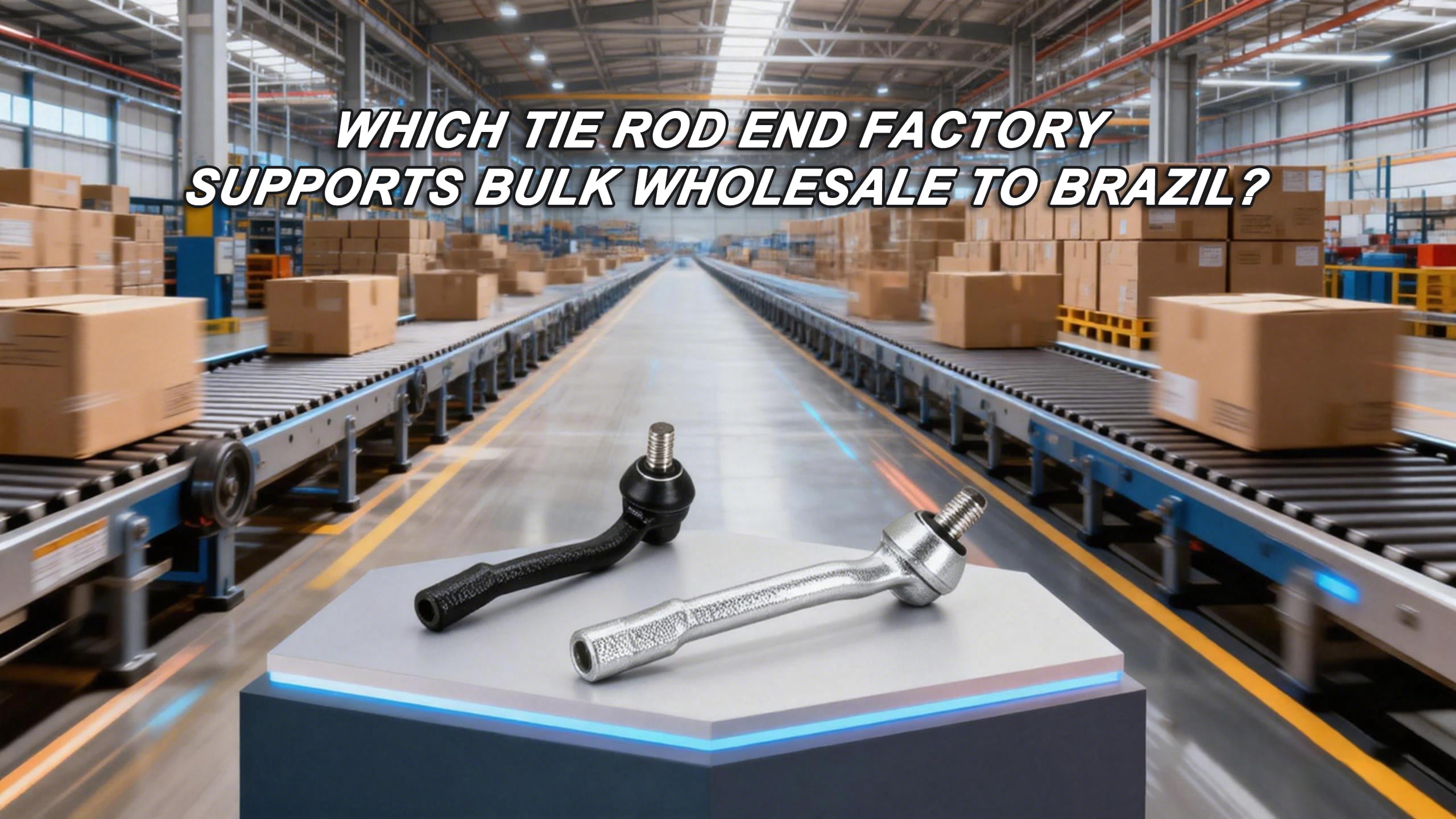
Brazil’s Automotive and Industrial Demand for Tie Rod Ends
Growth drivers: OEM production expansion, aftermarket replacement volume, and fleet maintenance cycles
The Brazilian automotive industry goes through around 2.5 million tie rod ends each year, and there are actually three main reasons why this happens. Number one is the increase in OEM production, particularly for commercial vehicles. Production numbers jumped by about 12% compared to last year in 2024, which means more new cars come equipped with these parts right from the factory. Then we have the massive vehicle population across Brazil itself. With roughly 45 million cars on the roads, there's naturally going to be strong demand for replacements too. Suspension parts tend to wear out pretty fast here because of all those rough roads throughout the country. Most last between five and seven years before needing replacement. And finally, logistics companies take their maintenance seriously. They schedule regular checks every 60 thousand kilometers just to stay ahead of problems. The cost of not doing so can run into hundreds of thousands of dollars per fleet each year when operations get disrupted. All these factors combined explain why Brazil remains one of the top five countries where major manufacturers sell their premium quality tie rod ends.
Import dependency and market gaps for high-volume, certified tie rod end supply
Brazil has domestic manufacturing capability but still brings in about 68% of its tie rod ends from abroad. The reason? Mostly issues with getting proper certifications and scaling up production. Many local companies struggle with meeting INMETRO standards, especially when it comes to fatigue tests under ABNT NBR 16020 regulations. Roughly 40% fail their first audit attempts. At the same time, people buying these parts for industry complain about not being able to get consistent bulk supplies. Market research from 2024 shows that only around one third of Brazilian factories can produce more than 10,000 units each month. Because of this supply gap, there are real money-making chances for manufacturers who have ISO/TS 16949 certification. These companies need to provide solid proof of product longevity and be able to ship containers worth of parts regularly. They also need established systems for exporting into Brazil's market if they want to capitalize on this situation.
Key Requirements for Bulk Tie Rod End Wholesale to Brazil
Regulatory compliance: ANVISA documentation, INMETRO certification, and ABNT NBR 16020 alignment
Brazil has strict rules about what can come into the country when it comes to car parts. Any supplier bringing stuff in needs to get their act together with ANVISA, which stands for Agência Nacional de Vigilância Sanitária. They need special paperwork showing materials are safe, especially anything that touches inside the car or gets near fluids. Then there's INMETRO certification that nobody can skip over. This stamp of approval proves things work safely, perform well, and can be tracked back according to Brazilian standards. The ABNT NBR 16020 standard also matters a lot because it makes sure parts hold up against both heat and rough roads typical in many parts of Brazil. Without all these papers? Expect serious headaches at customs. Packages without proper docs often sit around for over a month before moving forward, according to figures released last year by SINDIAPEÇAS, the local auto parts trade group.
Logistics readiness: Port of Santos clearance, bonded warehouse options, and FOB/CIF flexibility
Efficient bulk entry hinges on seamless operations at the Port of Santos—the gateway for 95% of Brazil’s automotive imports. Leading suppliers integrate with bonded warehousing networks to defer ICMS and IPI tax liabilities until distribution, improving cash flow for importers. Flexibility in trade terms is essential:
- FOB (Free On Board): Buyer assumes freight and risk once goods are loaded
-
CIF (Cost, Insurance, Freight): Seller manages transit, insurance, and port arrival
Top-tier partners support both models—and maintain 45-day inventory buffers—to safeguard against stockouts during peak seasonal demand or port congestion.
Top Tier-1 Tie Rod End Factories with Proven Brazil Export Capacity
ISO/TS 16949-certified manufacturers offering bulk MOQs, Brazilian Portuguese documentation, and local technical support
Wholesalers looking to tap into Brazil's automotive aftermarket worth around $1.2 billion need ISO/TS 16949 certification as their base for quality control. This standard helps ensure strict processes, track materials properly, and maintain consistency needed when aligning with INMETRO requirements. Top factories handling wholesale orders offer flexibility with minimum order quantities starting around 5,000 units, which eases financial strain on distributors who might otherwise struggle with cash flow issues. Getting through customs at Santos port faster means having all documents ready in Portuguese including technical specs, warranty info, and those safety data sheets that meet ANVISA standards. Having actual people on site in cities like Sao Paulo and Rio makes a big difference too. These technical teams can help with installations right away and sort out warranty problems without delays. According to some industry reports from SINDIAPEÇAS in 2024, companies with local presence handle warranty claims about 54% quicker than those just importing goods. Smart suppliers invest in special packaging equipment certified for sea transport to protect parts from rust while crossing the Atlantic Ocean.
Selecting the Right Tie Rod End Factory: Evaluation Criteria for Wholesalers
When looking for factories that really know their stuff with tie rod ends in Brazil, there are four key areas worth checking out first. Let's start with certifications. The factory needs both ISO/TS 16949 for the global auto market standards and those specific to Brazil, like INMETRO and ANVISA. These aren't just pieces of paper either—they need actual audit reports from within the last year or so to prove compliance. Next up is whether they can handle big volume work. We're talking about being able to keep going month after month with orders over 10,000 units. And don't forget about testing under real conditions: how do their products hold up when exposed to potholes, dust storms, high humidity, and constant heavy loads? For supply chains, look closely at their connections to major ports. Santos Port alone moves around 33% of Brazil's containers, so having good relationships there matters a lot. Also check if they have bonded warehouses nearby to speed things along through customs. Last but definitely not least, make sure all documentation comes in Portuguese, not just translated versions. Local engineers who actually speak the language and respond quickly when problems arise? That's gold in this market. Smart wholesalers will always compare these points against real third-party audits and shipping records instead of relying on what companies say in their brochures. Trust me, this saves headaches down the road.
FAQ
Why does Brazil import most of its tie rod ends?
Brazil imports about 68% of its tie rod ends due to challenges in local certification and production scalability. Many domestic manufacturers struggle to meet INMETRO and other regulatory standards, which leads to reliance on imports.
What are the main requirements for exporting tie rod ends to Brazil?
Exporters must comply with regulatory certifications such as ANVISA and INMETRO, and ensure the products meet the ABNT NBR 16020 standard. Efficient logistics through the Port of Santos is also crucial.
How can manufacturers tap into Brazil's demand for tie rod ends?
Manufacturers should focus on obtaining ISO/TS 16949 certification and prove they can handle high-volume production while maintaining product quality. Establishing robust logistics and Portuguese documentation is also essential for entering the Brazilian market.