In the past, the hub bearings of cars were mostly single-row tapered roller or ball bearings used in pairs. With the development of technology, car hub units have been widely used in cars. The application scope and usage volume of hub bearing units are increasing day by day. Worn or damaged hub bearings or hub units can cause inappropriate and costly failures of your vehicle during driving, and even pose a threat to your safety. Please pay attention to the following matters when using and installing hub bearings:
1.To ensure safety and reliability to the greatest extent, it is recommended that you frequently inspect the hub bearings regardless of the vehicle's age - pay attention to any early warning signs of wear on the bearings: including any friction noise during rotation or abnormal deceleration of the suspension combination wheels when turning. For rear-wheel drive vehicles, it is recommended that the front hub bearings be lubricated when the vehicle has traveled nearly 40,000 kilometers. When we replace the braking system, we should check the bearings and replace the oil seals.
2. If you hear strange sounds coming from the hub bearing area, first of all, you need to find the location where the noise occurs. There are many moving parts that may produce noise, or it could be that some rotating parts have come into contact with non-rotating parts. If it is confirmed that the noise is from the bearing, the bearing may be damaged and needs to be replaced.
3. Since the working conditions that cause the failure of the bearings on both sides due to the front wheel hub are similar, it is recommended to replace them in pairs even if only one bearing is damaged.
4. Hub bearings are rather sensitive, and in any case, the correct methods and appropriate tools must be adopted. During storage, transportation and installation, the components of the bearing must not be damaged. Some bearings require a relatively large pressure to be pressed in, so special tools are needed. Be sure to refer to the car manufacturing manual.
5. When installing bearings, it should be done in a clean and tidy environment. Fine particles entering the bearings will also shorten their service life. It is very important to maintain a clean environment when replacing bearings. Do not strike the bearing with objects. Be careful not to let the bearing fall to the ground. Before installation, the condition of the shaft and bearing housing should also be inspected. Even slight wear can lead to poor fit, thereby causing premature failure of the bearing.
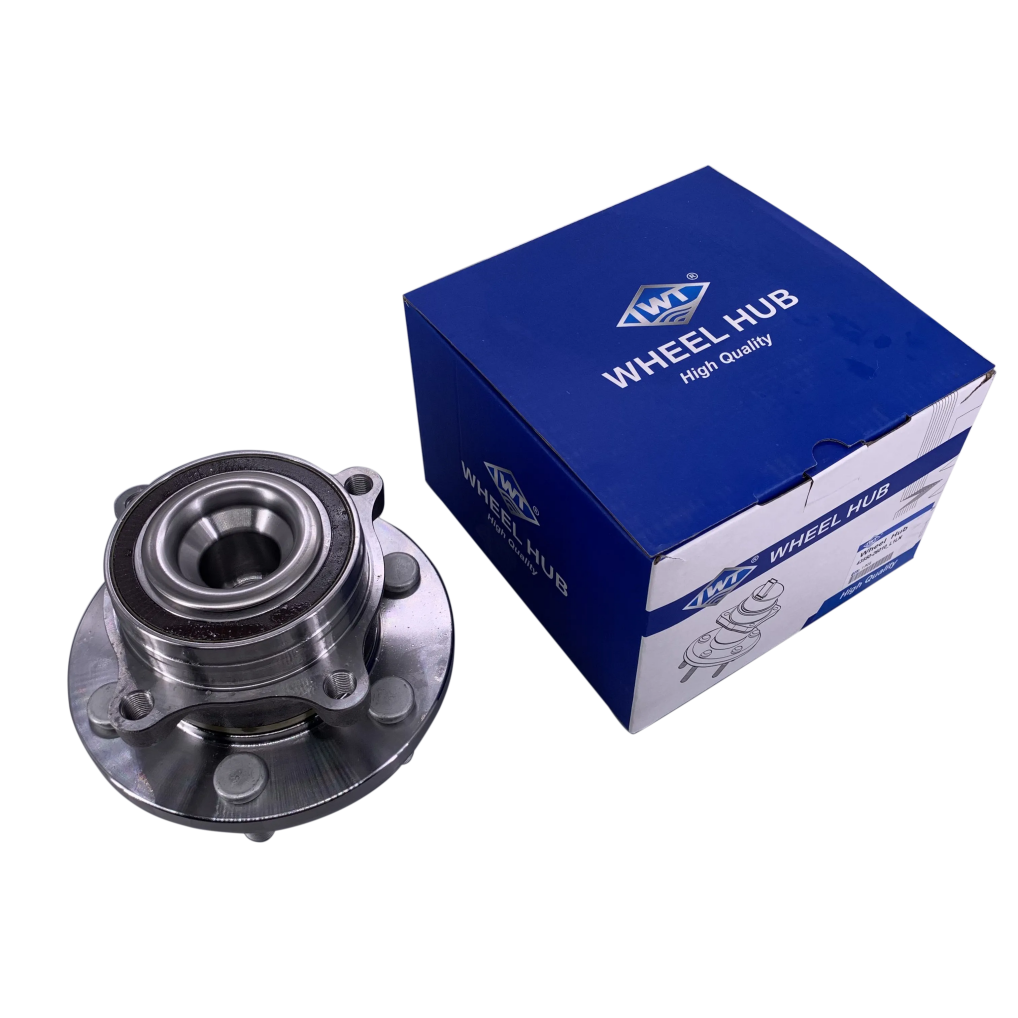
6. For hub bearing units, do not attempt to disassemble the hub bearings or adjust the sealing rings of the hub units; otherwise, the sealing rings may be damaged, allowing water or dust to enter. Even the raceways of the sealing ring and the inner ring were damaged, resulting in the permanent failure of the bearing.
7. Inside the sealing ring of the bearing equipped with the ABS device, there is a magnetic thrust ring. This thrust ring must not be subject to collision, impact or contact with other magnetic fields. Before installation, remove them from the packaging box and keep them away from magnetic fields, such as the electric motors or power tools in use, etc. When installing these bearings, observe the ABS alarm needle on the dashboard through road condition tests to adjust the operation of the bearings.
8. For hub bearings equipped with ABS magnetic thrust rings, to determine which side the thrust ring is installed on, you can bring a small and light object close to the edge of the bearing. The magnetic force generated by the bearing will attract it. When installing, point the side with the magnetic thrust ring inward, directly facing the sensitive components of the ABS. It should be noted that incorrect installation may lead to the failure of the braking system's function.
9. Many automotive bearings are sealed, and such bearings do not require the addition of grease during use. Other unsealed bearings, such as double-row tapered roller bearings, must be lubricated with grease during installation. Due to the different sizes of the inner cavities of the bearings, it is difficult to determine how much grease to add. The key is to ensure that there is grease in the bearings. If there is too much grease, when the bearings rotate, the excess grease will seep out.
10.When installing lock nuts, the magnitude of the torque varies greatly due to the differences in bearing types and bearing housings.
 ×
×

 EN
EN


